

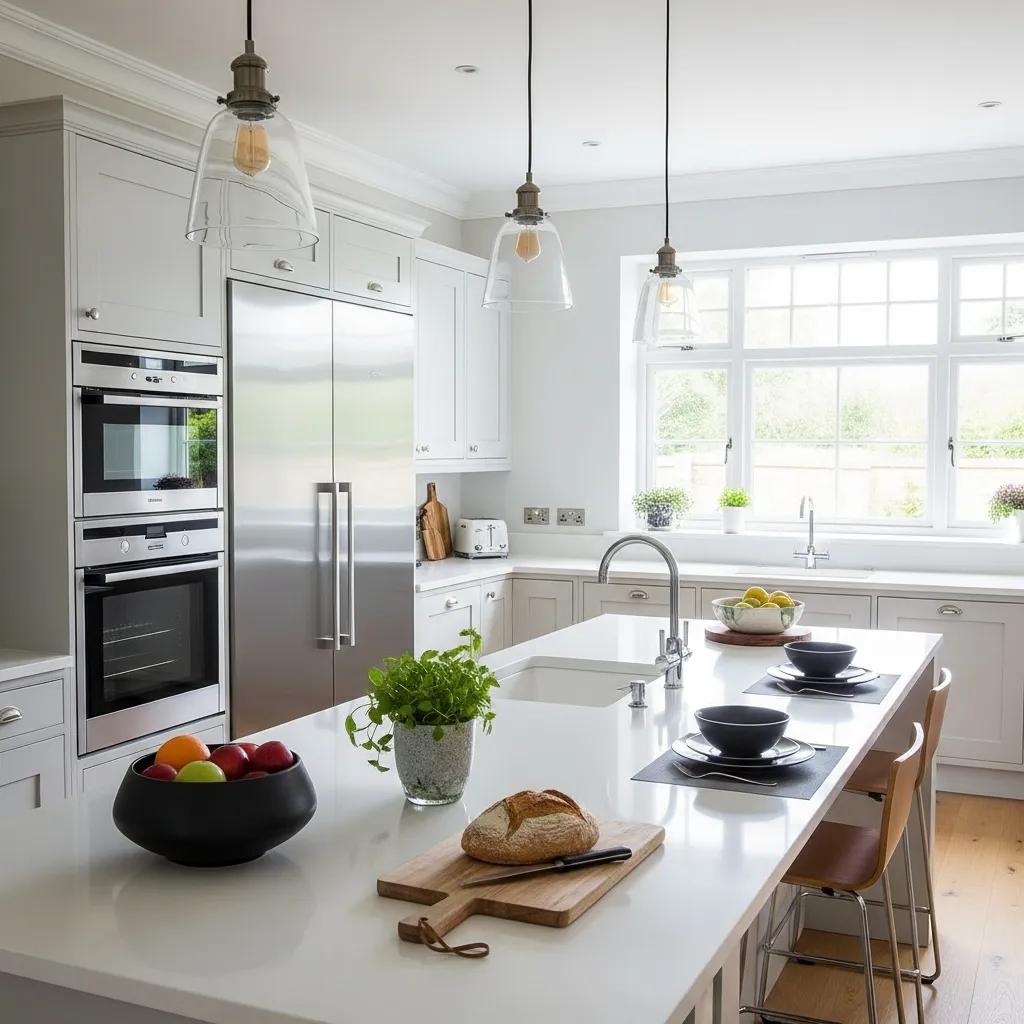
The kitchen is one of the first places buyers evaluate when touring a home, and small staging mistakes can quickly leave the wrong impression. Cluttered counters, outdated décor, poor lighting, or mismatched finishes can make the space feel cramped, neglected, or less valuable than it actually is. Avoiding the top 10 common kitchen staging mistakes that scare away potential buyers can make a significant difference in how your home is perceived.
A well-staged kitchen should highlight space, cleanliness, and functionality while allowing buyers to imagine themselves living there. Strategic organization, neutral styling, and thoughtful presentation help showcase the room’s best features without distraction.
By recognizing the most common kitchen staging mistakes, sellers can create a more inviting atmosphere that appeals to a wider range of buyers and strengthens the home’s overall market appeal.
Common Kitchen Staging Mistakes Standing Between You and Better Offers
1. Misunderstanding Kitchen Spaces When Staging A Home

One of the most common kitchen staging mistakes happens when the layout and purpose of the space are not fully considered. Kitchens are one of the most closely examined rooms during a home showing, and buyers often pay attention to how practical and comfortable the space feels.
When staging overlooks the way the kitchen is designed or how people naturally move through it, the result can feel awkward or cluttered rather than inviting.
Every kitchen has its own layout, whether it is a galley, L-shaped, U-shaped, or open concept design. Ignoring these differences can lead to staging choices that do not work with the space. For example, placing too many decorative items on countertops in a smaller kitchen can make the room appear cramped.
In contrast, leaving a large kitchen completely empty can make it feel cold and unfinished. Understanding how the space is meant to function helps create a balanced presentation that highlights the room’s strengths.
Another issue that often contributes to kitchen staging mistakes is failing to recognize focal points within the room. In some kitchens, the island naturally becomes the center of attention. In others, it may be a large window, modern appliances, or distinctive cabinetry.
Staging that competes with these features can distract buyers instead of guiding their attention to what makes the kitchen appealing.
Traffic flow is also important. Kitchens are active spaces where people cook, gather, and move between different areas of the home. When staging blocks natural pathways or fills walkways with unnecessary decor, it can make the kitchen feel less functional. Buyers may struggle to imagine themselves using the space comfortably, which can affect their overall impression of the home.
Effective staging takes the layout into account and works with it rather than against it. Keeping countertops mostly clear, highlighting key features, and maintaining open pathways can make the room feel larger and easier to navigate.
These simple adjustments help avoid kitchen staging mistakes and allow buyers to focus on the kitchen’s potential instead of its limitations.
2. Over-Accessorizing And Cluttering In Kitchen Staging
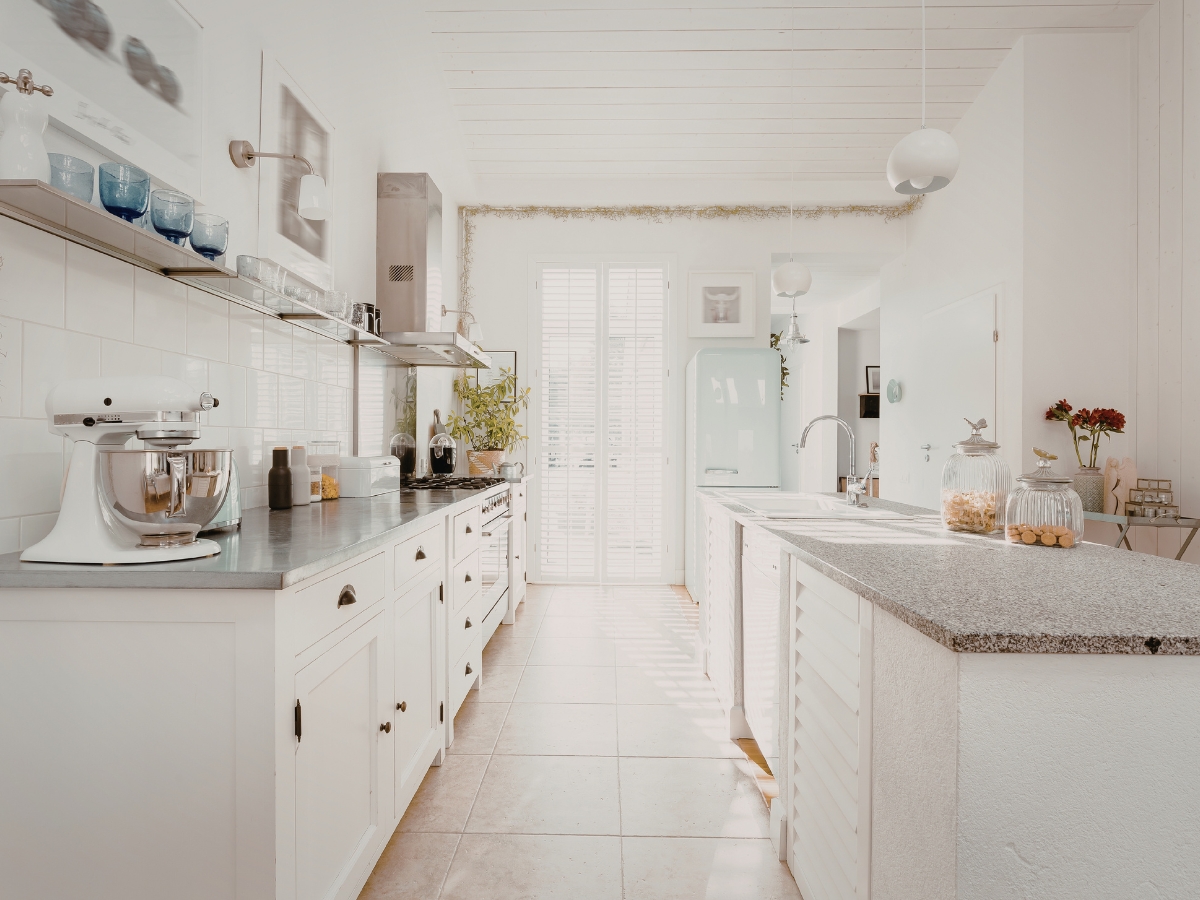
One of the most common kitchen staging mistakes is adding too many decorative items. While accessories can help a kitchen feel warm and lived in, too much decor can quickly overwhelm the space.
Buyers often look closely at kitchens because they want to imagine cooking, gathering, and moving comfortably through the room. When countertops and shelves are crowded with decorative pieces, the kitchen may appear smaller and less functional.
A well-staged kitchen should feel open and practical. When every surface is filled with bowls, plants, small appliances, or decorative containers, it becomes difficult for buyers to focus on the actual features of the room.
Cabinets, countertops, and appliances are usually the elements buyers care about most. If these areas are hidden behind layers of accessories, the kitchen may feel cluttered rather than inviting.
Another issue connected to kitchen staging mistakes is the way clutter affects the perception of space. Even a spacious kitchen can feel cramped if too many items compete for attention.
Decorative objects may seem small on their own, but when grouped together they can create visual noise. This distraction pulls attention away from the layout and makes the room feel busy.
A balanced approach usually works best. Instead of filling every corner with decor, it helps to choose a few simple pieces that complement the space. A bowl of fruit, a small plant, or a neatly arranged cutting board can add warmth without taking over the room. These subtle touches create interest while still allowing the kitchen to look clean and functional.
Clear countertops are especially important. Buyers often look at counter space as a sign of practicality. If surfaces appear crowded, they may assume the kitchen lacks storage or workspace.
Keeping most areas open helps the room feel larger and more organized. This approach also highlights the condition of the countertops and cabinetry, which are important selling points.
Lighting and natural space can also improve the overall look of the kitchen when clutter is reduced. When surfaces are clear, light can move freely through the room and reflect off countertops and appliances. This simple change can make the kitchen appear brighter and more welcoming.
3. Poor Lighting Planning In Kitchen Staging
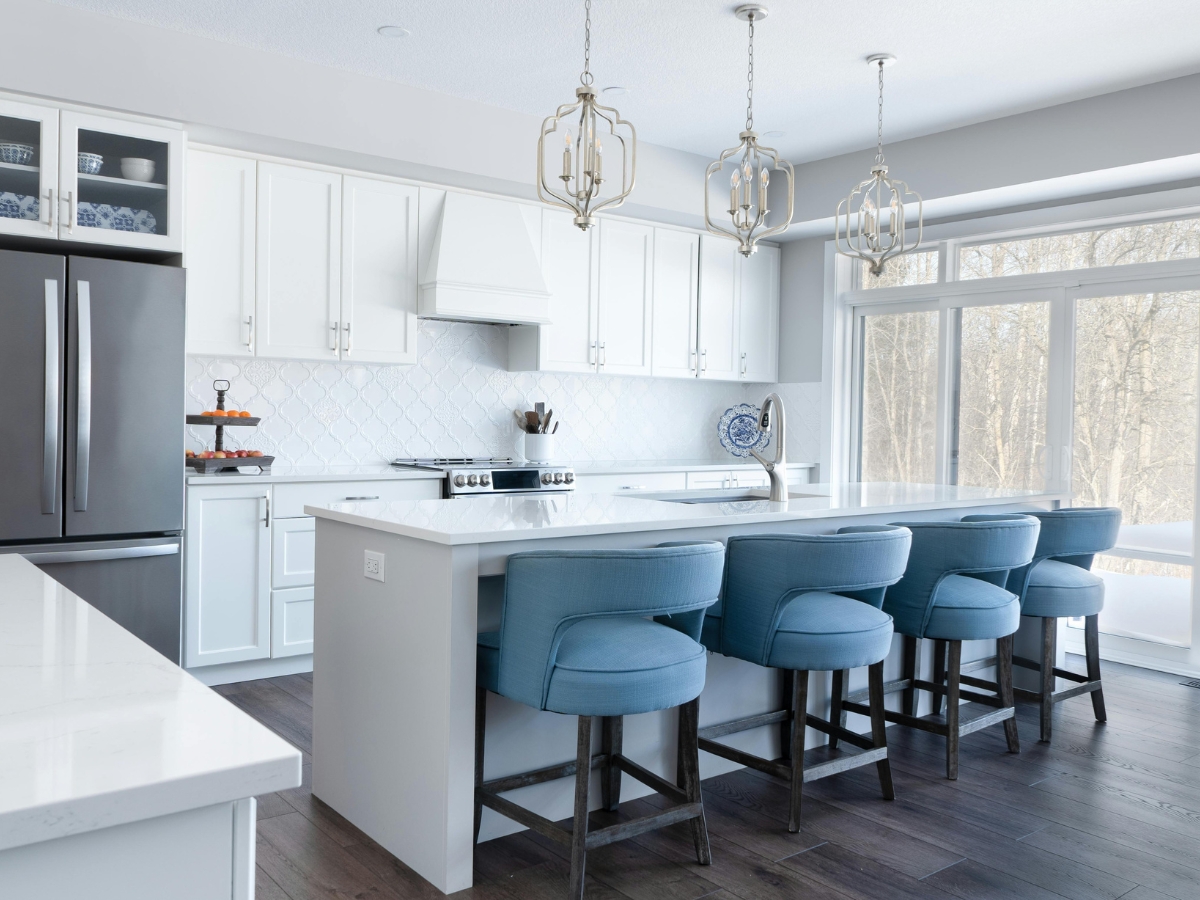
Lighting is one of the most overlooked elements when preparing a home for sale, yet it has a major influence on how a kitchen is perceived. Poor lighting can quickly make the room feel dull, closed in, or smaller than it actually is.
Among common kitchen staging mistakes, inadequate lighting is often easy to fix but frequently ignored. When the kitchen appears dark or shadowed, buyers may struggle to see the full potential of the space.
Kitchens benefit from bright, even lighting that highlights their main features. Countertops, cabinets, and appliances should be clearly visible so buyers can easily evaluate their condition and layout.
If the lighting is too dim, the room may appear older or less well-maintained than it really is. Even a well-designed kitchen can feel less inviting when the lighting fails to support the space.
Natural light is usually the most effective way to brighten a kitchen. Windows should remain unobstructed whenever possible so daylight can spread throughout the room.
Heavy curtains or dark window treatments can block light and create unnecessary shadows. Allowing natural light to enter the space can instantly make the kitchen feel larger and more welcoming.
Artificial lighting also plays an important role. Kitchens typically benefit from layered lighting that includes overhead fixtures and task lighting.
Overhead lights help illuminate the entire room, while focused lighting above work areas improves visibility on countertops and islands. When these light sources work together, the room feels balanced and comfortable rather than dim or uneven.
Another common issue connected to kitchen staging mistakes is failing to replace outdated or weak bulbs. Bulbs that produce yellow or inconsistent lighting can give the kitchen a tired appearance. Brighter, neutral lighting often provides a cleaner look that helps the room feel fresh and well cared for.
Lighting also affects how colors appear. Cabinets, flooring, and wall colors can look very different depending on how much light reaches them. Proper lighting ensures that these elements are shown accurately, allowing buyers to appreciate the true character of the kitchen.
4. Ignoring Cleanliness When Staging A Kitchen
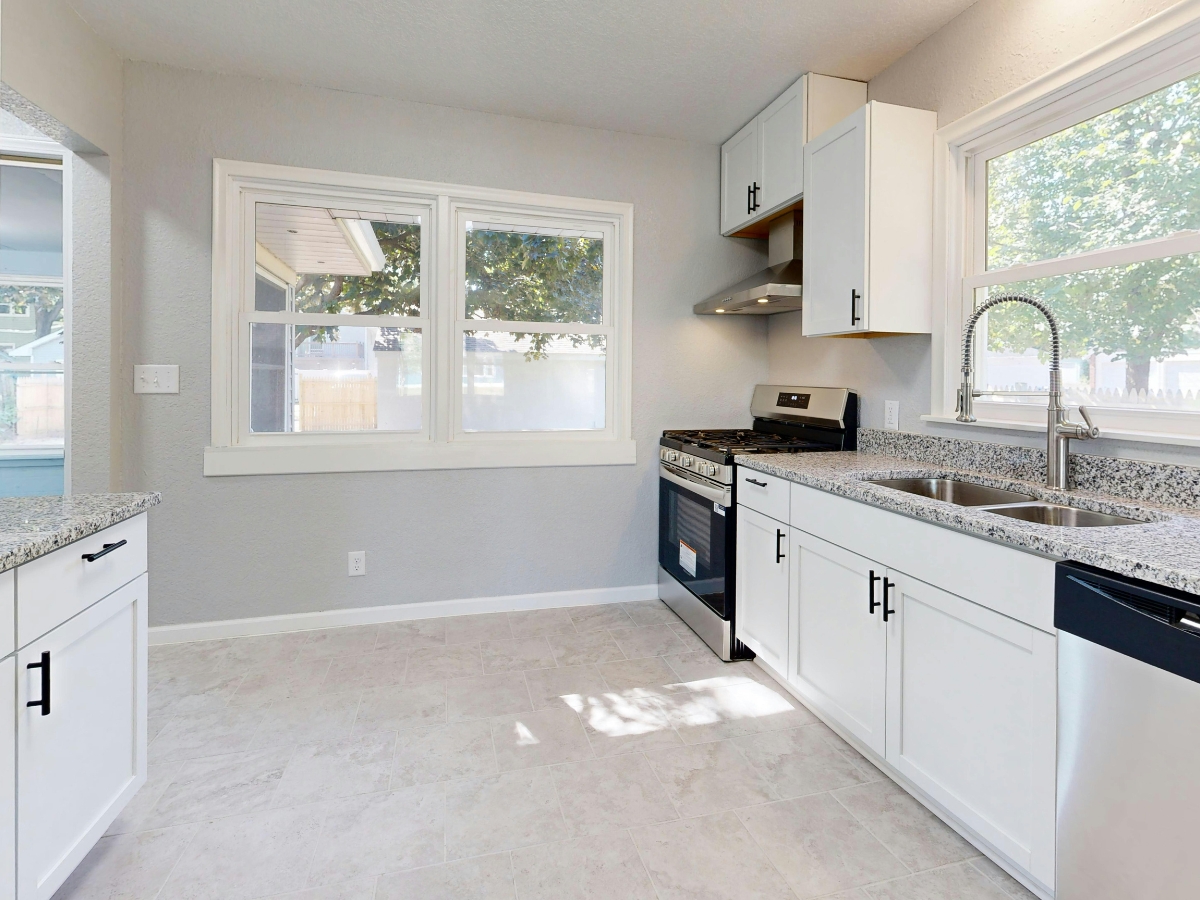
One of the most damaging kitchen staging mistakes is overlooking basic cleanliness. Kitchens naturally attract attention during home showings because buyers often view them as the heart of the home.
If the space looks dirty or poorly maintained, it can immediately create a negative impression. Even a well-designed kitchen can lose its appeal if surfaces appear stained, greasy, or cluttered.
Cleanliness affects how buyers interpret the overall condition of the home. When countertops, cabinets, and appliances are spotless, the kitchen feels cared for and ready for use.
On the other hand, visible dirt or neglect can make buyers wonder whether other parts of the home have been maintained properly. Because kitchens are used daily, small signs of wear or mess tend to stand out more in this room than in others.
Countertops are often the first surfaces buyers notice. Crumbs, water spots, and residue from cooking can make the space appear neglected. Taking the time to thoroughly wipe down these areas helps create a clean and polished look.
Sinks and faucets should also receive attention since they can quickly accumulate stains or mineral buildup. A clean sink with a polished faucet can help the entire kitchen appear fresher and more inviting.
Appliances also influence how clean the kitchen appears. Fingerprints on stainless steel, grease marks on stovetops, or spills inside ovens can draw unwanted attention. When appliances are cleaned thoroughly, they look newer and better maintained. This small effort can improve the overall presentation of the room.
Another detail often connected to kitchen staging mistakes is the condition of cabinets and handles. Cabinet doors may collect fingerprints or cooking residue over time.
Wiping them down helps restore their original finish and allows buyers to focus on the cabinetry rather than surface grime. Floors should also be cleaned carefully since stains or sticky spots can quickly affect the room’s appearance.
Smell is another important factor that is sometimes overlooked. Lingering cooking odors or trash smells can make the kitchen feel unpleasant. Ensuring the room smells fresh helps create a more welcoming environment for visitors during showings.
5. Choosing The Wrong Flooring In Kitchen Staging

Flooring plays a larger role in kitchen presentation than many homeowners expect. Because the floor covers such a large portion of the room, it strongly influences how the entire kitchen feels.
One of the more common kitchen staging mistakes occurs when the flooring does not complement the rest of the space. When the color, material, or style feels out of place, it can distract buyers and take attention away from the kitchen’s stronger features.
Buyers often view the kitchen as a functional and design-focused space. If the flooring clashes with cabinets, countertops, or wall colors, the room can appear disjointed.
Instead of seeing a cohesive design, visitors may notice the mismatch first. This can make the kitchen feel less polished, even if the rest of the space is in good condition.
Color is usually the first factor that affects how flooring fits into the kitchen. Extremely dark flooring in a small or dimly lit kitchen can make the space feel heavier than it should.
On the other hand, flooring that is too bright or dramatically different from the surrounding finishes can draw unnecessary attention. Neutral tones tend to work well because they allow cabinets, countertops, and appliances to remain the focal points of the room.
Material choice also matters. Flooring that looks worn, outdated, or inconsistent with the style of the home can weaken the kitchen’s overall impression. Even if the floor is structurally sound, visible wear or dated patterns may signal to buyers that updates could be needed. This perception can influence how they evaluate the entire kitchen.
Another issue connected to kitchen staging mistakes is failing to consider continuity between rooms. When the kitchen flooring differs sharply from the flooring in nearby spaces, the transition can feel abrupt.
Smooth visual flow between rooms often helps a home feel more cohesive and well-designed. If the kitchen floor interrupts that flow, it may make the space feel less connected to the rest of the home.
Clean and well-maintained flooring also supports a stronger presentation. Even flooring that matches the kitchen design can lose its appeal if it appears scuffed or stained. Simple steps such as cleaning, polishing, or repairing small imperfections can improve the appearance of the entire room.
6. Neglecting Traffic Flow In Kitchen Staging
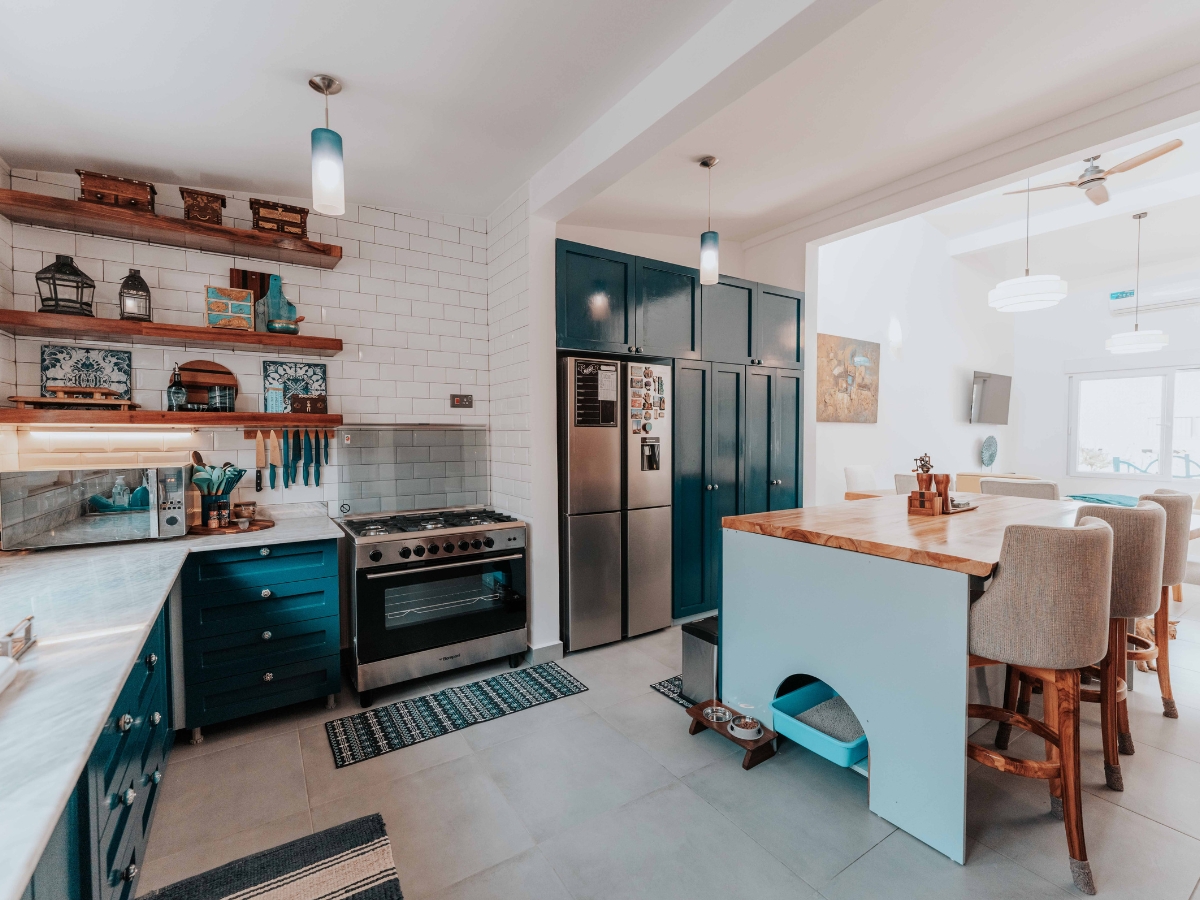
One of the more subtle kitchen staging mistakes involves ignoring how people move through the space. Kitchens are not only places for cooking. They are also areas where people gather, walk through, and interact during daily routines.
If staging choices disrupt that natural movement, the room can feel awkward or less practical, even if it looks visually appealing.
Traffic flow refers to how easily someone can move from one part of the kitchen to another. Buyers often notice this immediately during a showing.
When furniture, decor, or oversized items block key pathways, the kitchen can appear cramped or inconvenient. Even a large kitchen may feel smaller if the layout makes it difficult to walk comfortably between counters, appliances, and entry points.
One of the common kitchen staging mistakes is placing decorative pieces or temporary furniture in areas that should remain open.
For example, adding stools that crowd an island or placing decorative carts along walkways can interfere with movement. While these items may seem helpful for creating a styled look, they can quickly make the room feel crowded.
Clear walkways allow buyers to experience the kitchen the way they would use it in everyday life. When someone can move easily between the sink, stove, and refrigerator, the space feels functional and comfortable. This natural flow helps buyers imagine preparing meals or gathering with family without feeling restricted by the layout.
Another issue that affects traffic flow is overcrowded staging. When too many decorative items or accessories fill the space, they may visually block the natural pathways of the room. The kitchen should feel open enough for several people to move through it at the same time. When this sense of openness is lost, it can weaken the overall impression of the space.
Keeping pathways open also helps highlight the kitchen’s layout. Buyers can better understand how the room functions when nothing interrupts their movement. This clarity allows them to focus on the kitchen’s strengths rather than noticing obstacles or awkward design choices.
7. Ignoring Appliance Placement In Kitchen Staging
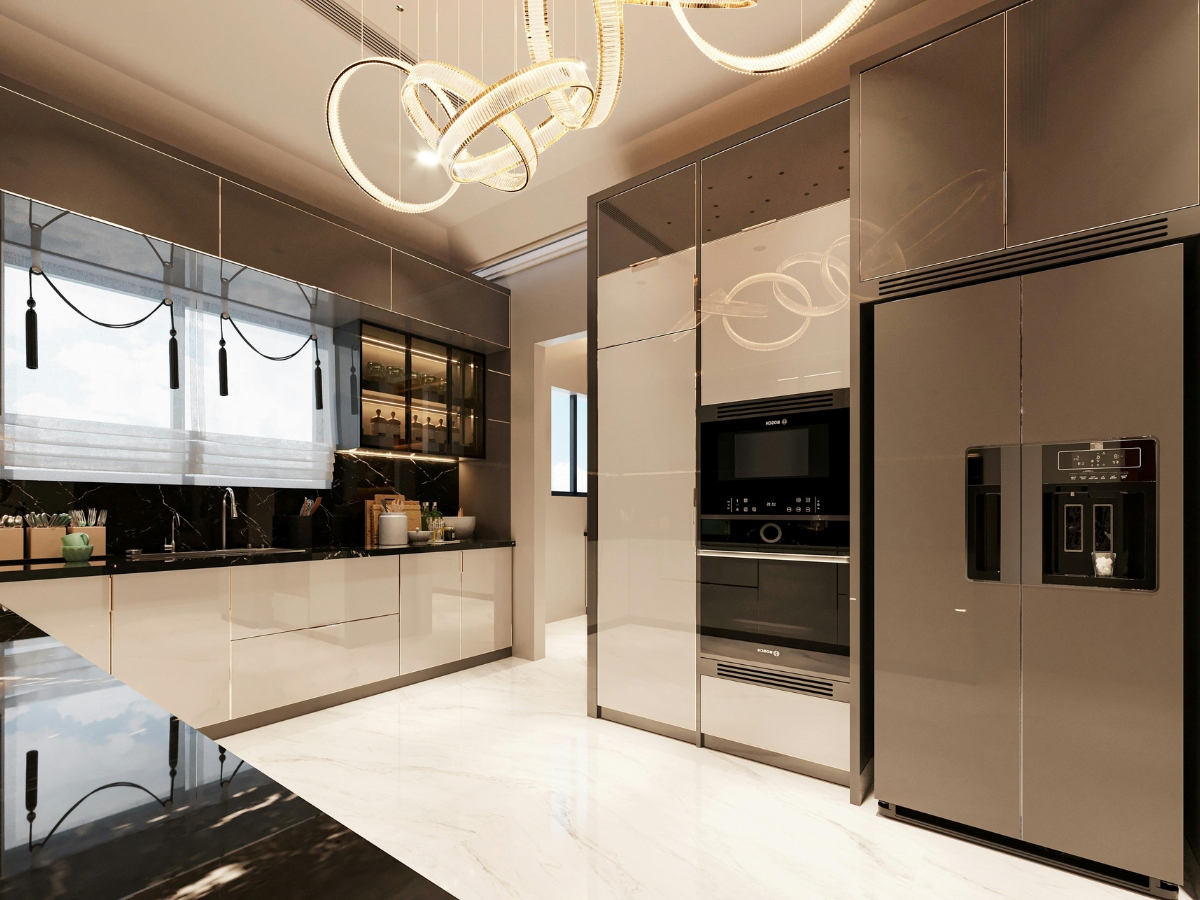
Appliances are one of the most noticeable elements in any kitchen, yet they are sometimes overlooked during the staging process. One of the more common kitchen staging mistakes occurs when appliance placement interferes with the natural workflow of the space.
Buyers often pay attention to how easily they can move between the main working areas of the kitchen, and poorly positioned appliances can make the room feel less practical.
The layout of a kitchen usually follows a basic functional pattern. Cooking, cleaning, and food preparation typically revolve around the stove, sink, and refrigerator. When appliances are arranged in a way that disrupts this relationship, the kitchen can feel inefficient.
Buyers may notice that they have to walk awkwardly around an island or navigate tight corners just to move between these areas. Even if the appliances themselves are attractive or modern, poor placement can still leave a negative impression.
Another issue connected to kitchen staging mistakes is when small appliances dominate the countertops. Items such as mixers, coffee machines, and toaster ovens are useful in everyday life, but leaving too many of them out during a showing can make the kitchen feel crowded.
When countertops appear busy, buyers may assume there is limited workspace or storage. Clearing away unnecessary appliances allows the room to feel larger and more organized.
Proper appliance placement also affects the visual balance of the kitchen. Large appliances should appear integrated into the design rather than scattered throughout the room.
When they are positioned thoughtfully, they help guide the eye across the kitchen and emphasize the layout. If appliances are placed without considering symmetry or spacing, the room may appear disjointed.
Another factor to consider is accessibility. Appliances should not block cabinet doors, drawers, or walkways. When staging interferes with how cabinets open or how someone moves through the space, the kitchen may seem less comfortable to use. Buyers tend to notice these details as they imagine preparing meals or gathering with family in the room.
8. Inconsistent Color Schemes In Kitchen Staging
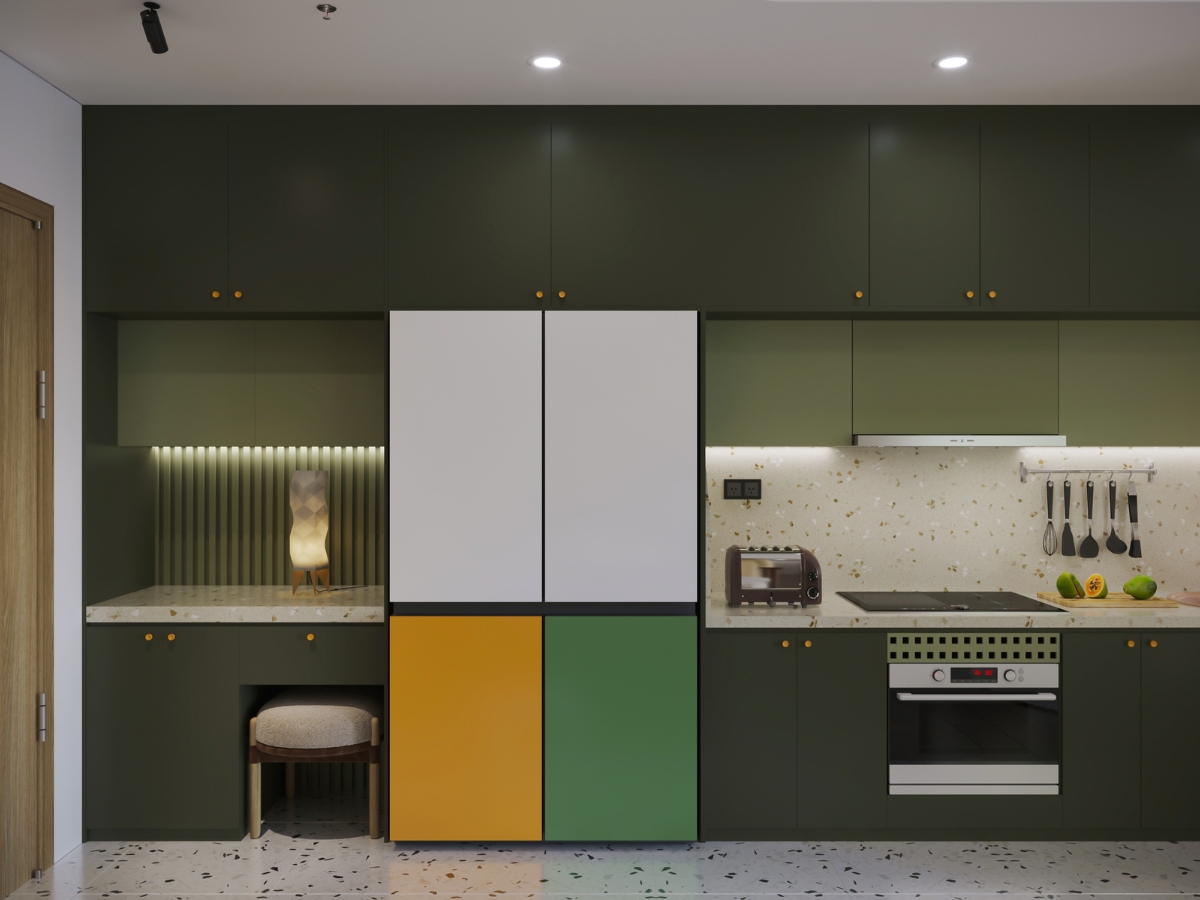
Color plays a major role in how buyers perceive a kitchen. When the colors in the room work together, the space feels balanced and inviting.
One of the more noticeable kitchen staging mistakes happens when the color scheme lacks consistency. Clashing tones between cabinets, walls, flooring, and decor can create a busy look that distracts from the kitchen’s design.
Buyers tend to respond well to kitchens that feel calm and cohesive. When several competing colors appear in the same space, the room may feel visually overwhelming.
For example, bold wall colors combined with strong cabinet finishes and bright accessories can make the kitchen appear chaotic rather than welcoming. Instead of focusing on the layout or storage, buyers may notice the color conflicts first.
Neutral color palettes often help avoid these kitchen staging mistakes. Soft tones such as whites, light grays, and warm neutrals allow the kitchen to feel brighter and more open.
These colors also work well with different styles of cabinetry and appliances. When the background colors remain simple, the kitchen’s main features can stand out more naturally.
Color consistency also affects how large or small a room appears. When colors shift dramatically from one element to another, the eye stops at each contrast. This can make the room feel smaller or more crowded. A more unified palette allows the eye to move smoothly across the space, helping the kitchen feel larger and more organized.
Decor choices can also influence how the color scheme appears. Accessories such as dish towels, small plants, or countertop decor should complement the overall palette rather than compete with it. Even small details can disrupt the visual flow if they introduce strong colors that do not match the rest of the room.
Lighting also interacts with color in important ways. Bright lighting tends to highlight contrasts between different surfaces. If the colors in the kitchen already clash, stronger lighting may make the mismatch even more noticeable. Maintaining a consistent palette helps the kitchen appear balanced under both natural and artificial light.
9. Failing To Highlight Storage In Kitchen Staging
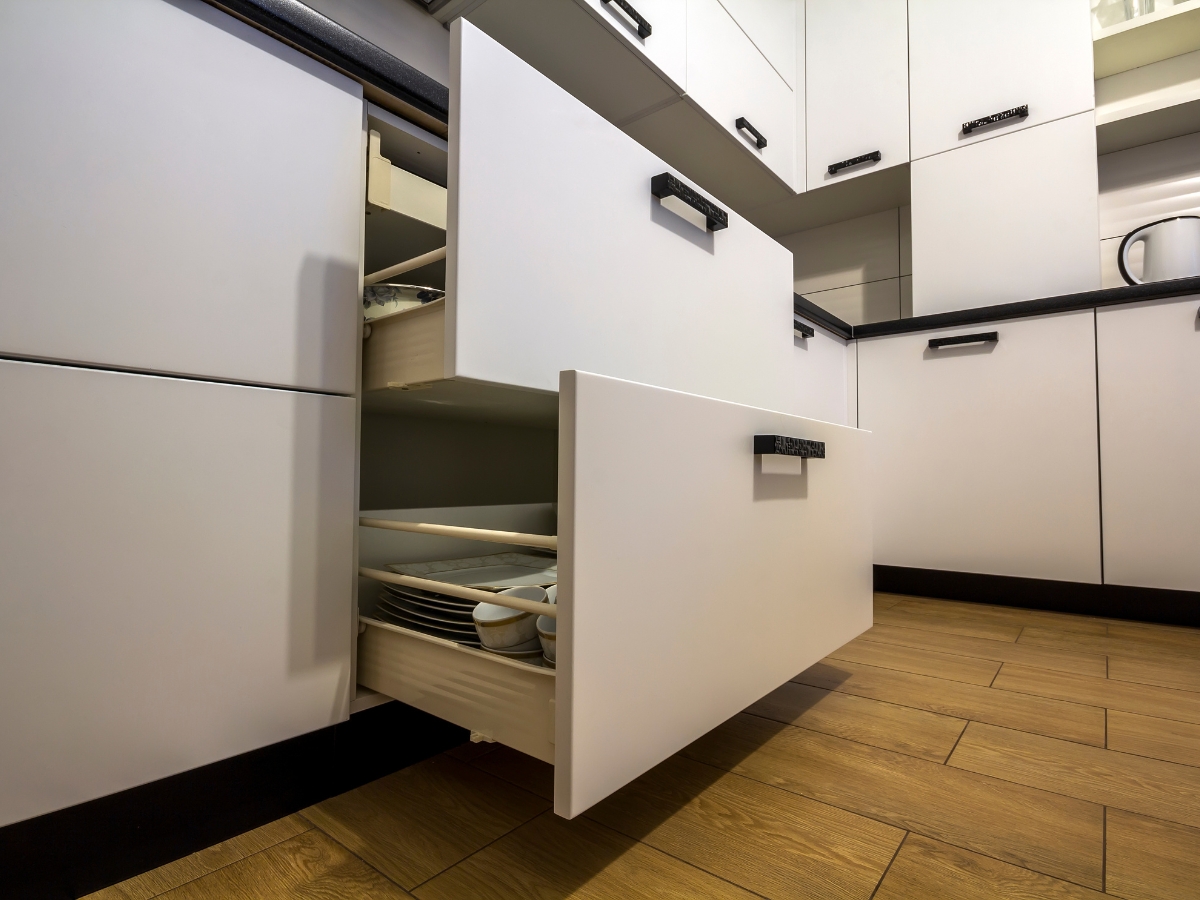
Storage is one of the features buyers often pay the closest attention to when evaluating a kitchen. Cabinets, drawers, and pantry space all contribute to how practical the room feels.
One of the more common kitchen staging mistakes occurs when storage areas are ignored during the staging process. When storage is not presented clearly, the kitchen can appear smaller or less functional than it actually is.
Buyers usually want to understand how well the kitchen supports everyday living. They often open cabinets, examine drawers, and look for pantry space to see how much storage is available.
If cabinets are overcrowded or disorganized, it may give the impression that the kitchen lacks sufficient storage. Even when a kitchen has plenty of space, cluttered cabinets can make it seem otherwise.
Another issue connected to kitchen staging mistakes is leaving storage completely unnoticed. When cabinet doors remain closed, and the layout of the storage areas is unclear, buyers may not fully appreciate the room’s functionality.
A staged kitchen should subtly show how storage works without drawing excessive attention to it. For example, a neatly arranged cabinet or a partially visible pantry can demonstrate available space without appearing staged.
Organization also plays an important role in how storage is perceived. Cabinets filled with mismatched containers or crowded shelves can make the kitchen feel chaotic.
Removing unnecessary items and arranging what remains neatly can help buyers see the full depth and usability of the space. When storage areas appear tidy and accessible, the kitchen feels more practical.
Countertop space is closely related to storage as well. When countertops are crowded with kitchen tools, small appliances, or decorative items, buyers may assume there is not enough cabinet storage to keep things organized. Keeping countertops mostly clear helps suggest that the kitchen has enough storage to maintain a clean and efficient workspace.
Lighting can also affect how storage areas are perceived. Well-lit cabinets and pantry areas make the kitchen appear more spacious and functional. When storage areas are easy to see, buyers can quickly understand how the kitchen is organized.
10. Not Considering Buyer Preferences In Kitchen Staging
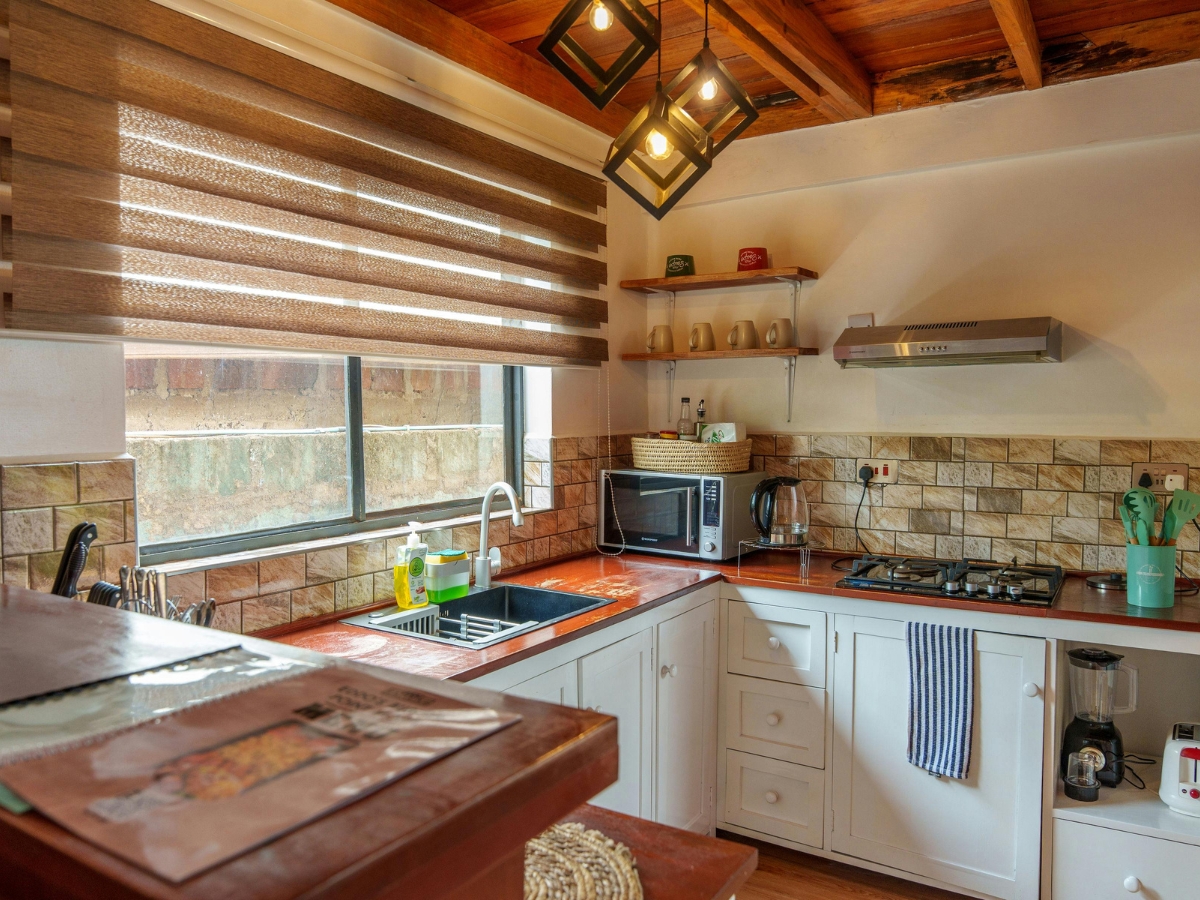
A kitchen may look appealing to the homeowner, but that does not always mean it will resonate with potential buyers.
One of the more common kitchen staging mistakes is focusing too heavily on personal taste rather than considering what buyers typically expect in a kitchen. When staging choices reflect very specific preferences or outdated styles, the space may feel less inviting to a broader audience.
Buyers often evaluate kitchens with a practical mindset. They look for a space that feels clean, functional, and adaptable to their own routines.
When the staging reflects a strong personal style or unusual design choices, it can make it harder for buyers to imagine themselves using the space. This does not mean the kitchen must feel generic, but it should allow room for buyers to picture their own lifestyle within it.
Another factor that contributes to kitchen staging mistakes is ignoring current design expectations. Over time, buyer preferences change, and certain styles or color choices may begin to feel dated.
Elements such as overly bold colors, heavy decorative themes, or outdated fixtures can distract from the kitchen’s strengths. Even if the kitchen functions well, these details can influence how buyers interpret the room.
Neutral presentation usually works better when preparing a kitchen for showings. Subtle color palettes, simple decor, and clean surfaces tend to appeal to a wider range of buyers.
These choices help the kitchen feel fresh and well-maintained while still leaving space for individual preferences. Buyers are more likely to focus on the layout, storage, and overall condition of the room when the design remains balanced.
Another important consideration is how the kitchen connects with the rest of the home. If the kitchen looks dramatically different from nearby spaces, it may feel disconnected from the overall design. Consistency in color, lighting, and style can make the transition between rooms feel more natural.
What Are Budget Friendly Kitchen Staging Tips That Avoid Common Mistakes?
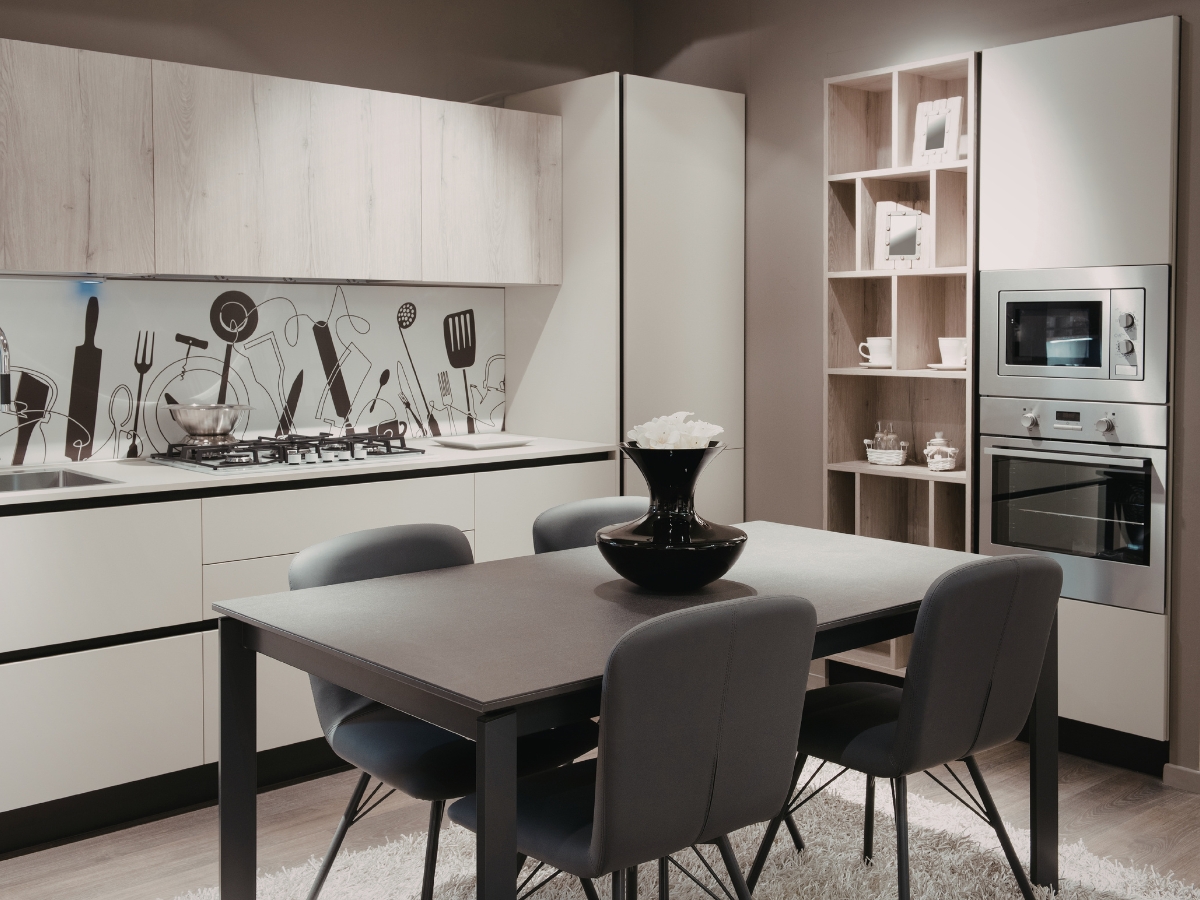
Preparing a kitchen for a home sale does not always require a large budget. Many effective staging improvements come from simple adjustments that highlight the space rather than changing it completely.
When the focus is on cleanliness, organization, and lighting, the kitchen can appear more welcoming without major expenses. These small changes also help prevent common kitchen staging mistakes that may distract buyers.
Decluttering is one of the most effective ways to improve the look of a kitchen. Countertops filled with small appliances, decorative items, or everyday kitchen tools can make the room feel crowded.
Removing unnecessary items creates more open space and allows buyers to notice the layout and storage features. A kitchen that appears spacious and organized often leaves a stronger impression.
Organization also plays an important role in staging. Cabinets, drawers, and pantry shelves should look tidy and functional. When storage areas are neatly arranged, buyers can easily see how much space is available.
Disorganized cabinets may suggest that the kitchen lacks storage even when that is not the case. Taking time to organize these areas helps avoid kitchen staging mistakes that make the room appear less practical.
Lighting improvements can also make a noticeable difference. Replacing dim or outdated bulbs with brighter options can make the kitchen feel cleaner and more inviting. Good lighting allows buyers to see details clearly and appreciate the condition of the countertops, cabinets, and appliances.
How To Stage A Kitchen For Sale Without Overspending?
Staging a kitchen effectively often comes down to careful preparation rather than expensive updates. Decluttering and depersonalizing the space are important first steps.
Personal items such as family photos, unique decorations, or specialty kitchen tools can make the room feel tied to the current owner. Removing these items allows buyers to imagine how the space could fit their own routines.
Cleaning the kitchen thoroughly is another essential step. A spotless kitchen gives the impression that the home has been well-maintained. Wiping down countertops, polishing appliances, and cleaning floors can improve the appearance of the entire room. This simple effort helps prevent kitchen staging mistakes that might cause buyers to focus on maintenance issues instead of the kitchen’s features.
Small finishing touches can also enhance the room without adding significant cost. Fresh dish towels, a bowl of fruit, or a simple plant can bring warmth to the space while still keeping the design neutral. These details should remain minimal so they add character without creating clutter.
Which Affordable Flooring Options Offer High Impact For Staging?
Flooring can strongly influence how a kitchen is perceived, but replacing it does not always require a large investment. Some affordable options can improve the appearance of the space while helping avoid kitchen staging mistakes related to worn or outdated floors.
Vinyl flooring is one practical option because it is durable and available in many styles. Modern vinyl designs can resemble natural materials while remaining easy to maintain. This makes it a useful choice for kitchens where durability and appearance both matter.
Peel-and-stick tiles are another option for quick updates. These tiles can refresh the look of a floor without the complexity of traditional installation. They allow homeowners to improve the appearance of the kitchen without committing to a major renovation.
Laminate flooring is also commonly used in staging because it offers a variety of finishes that resemble wood at a lower cost. When chosen in neutral tones, laminate can help the kitchen feel brighter and more cohesive.
Frequently Asked Questions About Kitchen Staging
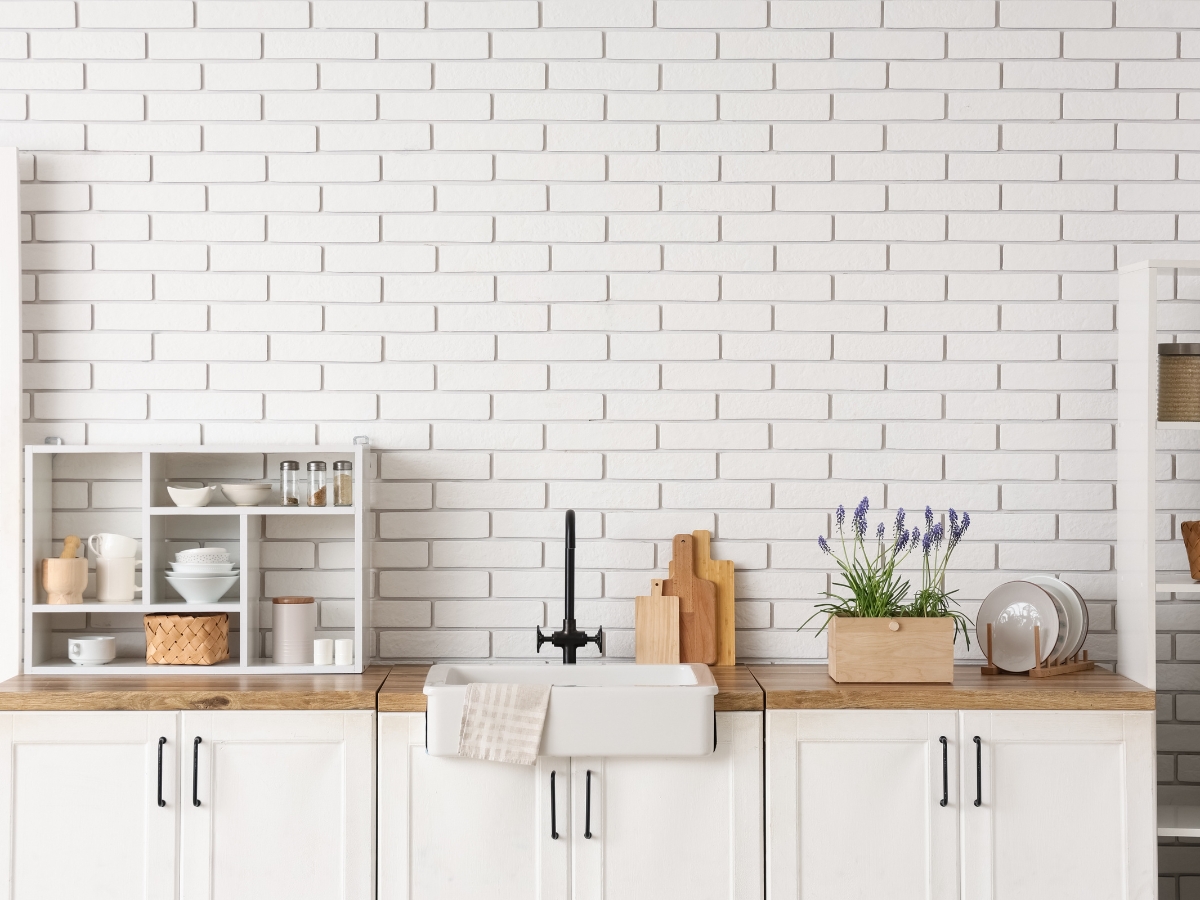
What Are The Benefits Of Staging A Kitchen Before Selling A Home?
Staging a kitchen can make a big difference in how buyers perceive a home. Kitchens are often one of the most closely evaluated rooms during showings, and their appearance can influence whether buyers see the home as move-in ready.
When a kitchen is staged thoughtfully, it highlights the layout, storage areas, and overall usability of the space. Avoiding common kitchen staging mistakes helps buyers focus on the room’s strengths rather than noticing distractions such as clutter or outdated presentation.
A well-staged kitchen can also help buyers imagine how they would use the space in everyday life. When the room feels organized, bright, and practical, it often creates a stronger emotional connection with potential buyers. This positive impression can encourage quicker decisions and may contribute to stronger offers.
How Can I Effectively Declutter My Kitchen For Staging?
Decluttering is one of the most effective ways to prepare a kitchen for showings. Countertops should remain mostly clear so buyers can easily see the available workspace.
Removing extra appliances, decorative items, and personal belongings allows the room to appear larger and more organized. When surfaces look open, the kitchen often feels more functional and inviting.
Cabinets and shelves should also appear tidy. Buyers frequently open cabinets to evaluate storage space, so neat organization helps demonstrate that the kitchen is practical.
Keeping items arranged in simple containers or baskets can help the space look structured without appearing overly staged. This approach helps prevent kitchen staging mistakes that make the room seem crowded.
What Lighting Techniques Can Enhance Kitchen Staging?
Lighting plays an important role in how the kitchen is experienced during a showing. A well-lit kitchen appears cleaner, larger, and more welcoming.
Using multiple light sources can help illuminate the entire room. Overhead lighting brightens the general space, while task lighting helps highlight work areas such as countertops and sinks.
Under-cabinet lighting can also improve visibility and add warmth to the kitchen. Clean fixtures and functioning bulbs are essential, since dim or uneven lighting can create shadows that make the room feel smaller. Good lighting helps avoid kitchen staging mistakes that leave the kitchen looking dull or uninviting.
How Can I Highlight Storage Options In My Kitchen During Staging?
Storage is one of the features buyers often evaluate most carefully. Cabinets, drawers, and pantry areas should be organized so buyers can easily see how much space is available.
Removing excess items helps shelves appear deeper and more practical. A small amount of empty space in cabinets can actually make the kitchen feel more functional.
When storage areas are neat and accessible, buyers can imagine how they would arrange their own belongings. This simple presentation helps the kitchen appear both practical and well-maintained.
What Are Some Cost Effective Ways To Improve Kitchen Appeal?
Improving the look of a kitchen does not always require large renovations. Small updates can make a noticeable difference in presentation.
Cleaning thoroughly, decluttering surfaces, and organizing storage areas often create the most visible improvements. Updating cabinet hardware or adding fresh paint can also refresh the space without major expense.
Simple decorative touches can also help the room feel welcoming. Fresh dish towels, a bowl of fruit, or a small plant can add warmth while still keeping the kitchen neutral. These details support a balanced presentation without creating kitchen staging mistakes that make the space appear crowded.
How Important Is It To Follow Current Kitchen Design Trends When Staging?
Understanding general design preferences can help a kitchen feel more appealing to buyers. Neutral color palettes, simple decor, and clean surfaces tend to attract a wide range of people.
While trends can influence expectations, the goal of staging is usually to create a timeless and balanced look rather than follow every design trend closely.
When the kitchen feels fresh, organized, and easy to imagine using, buyers can focus on the space itself rather than the style choices.
What Role Does Scent Play In Kitchen Staging?
Scent is another detail that can influence how buyers experience the kitchen. A clean, neutral smell reinforces the impression that the space is well-maintained. Strong cooking odors or lingering smells can distract buyers and reduce the room’s appeal.
Keeping the kitchen well ventilated and clean usually helps maintain a pleasant environment. Subtle scents, such as fresh citrus or mild spices, can add warmth without overpowering the space. When the kitchen looks clean and smells fresh, buyers often feel more comfortable exploring the home.
Conclusion
Avoiding common kitchen staging mistakes can mean the difference between a quick sale at your desired price and a property that lingers on the market.
By creating a clean, neutral, and welcoming space that allows buyers to envision themselves cooking and gathering, you maximize your home’s appeal and value.
For expert guidance on kitchen updates that truly matter to buyers, trust Kitchen and Bath by Zeus. Ready to transform your kitchen into a buyer’s dream? Call 404-602-2668 or fill out our online form to schedule your free consultation today. Let’s create a space that sells itself.