
Kitchen colors have a lasting impact on how your space feels day to day. The right palette can make a kitchen look brighter, more open, and more inviting, while the wrong choice can feel overwhelming or dated over time.
A strong starting point often comes from understanding how the kitchen remodeling process comes together, so color choices align with the full design.
Color decisions should take into account lighting, cabinet finishes, countertops, and how the kitchen connects to surrounding rooms. Shades that balance warmth and neutrality tend to hold up well and adapt to different styles.
With a thoughtful approach, you can choose kitchen colors that feel cohesive, functional, and timeless without second-guessing your decision later.
The Smart Way to Choose Kitchen Colors That Flow
How Cabinet Color Choices Shape A Modern Kitchen
When planning a modern kitchen, cabinet color plays a bigger role than most people expect. It is not just about aesthetics. The right shade can influence how spacious the room feels, how light moves through it, and how well different design elements come together.
If you are trying to choose kitchen colors for a contemporary space, it helps to think beyond trends and focus on how each option interacts with your layout, lighting, and materials.
Modern kitchens tend to favor clean lines and simple palettes, so cabinet color becomes one of the main ways to add personality without creating visual clutter.
Why Neutral Tones Still Lead Modern Design
Neutral cabinet colors continue to dominate modern kitchens because they offer flexibility without feeling plain. Shades like soft gray and white create a clean backdrop that allows other features, such as countertops or fixtures, to stand out.
Soft gray works particularly well in spaces that receive a lot of natural light. It reflects brightness without feeling stark, making the room feel open and balanced.
White cabinets serve a similar purpose but lean more toward a crisp, minimalist look. They are often used in smaller kitchens where maximizing the sense of space is important.
When you choose kitchen colors in the neutral range, you are also giving yourself more freedom to update other elements later. This flexibility is often part of modern kitchen design ideas that prioritize longevity over trends.
Hardware, backsplashes, and décor can be changed over time without clashing with the cabinets.
How Dark Cabinets Add Contrast And Depth
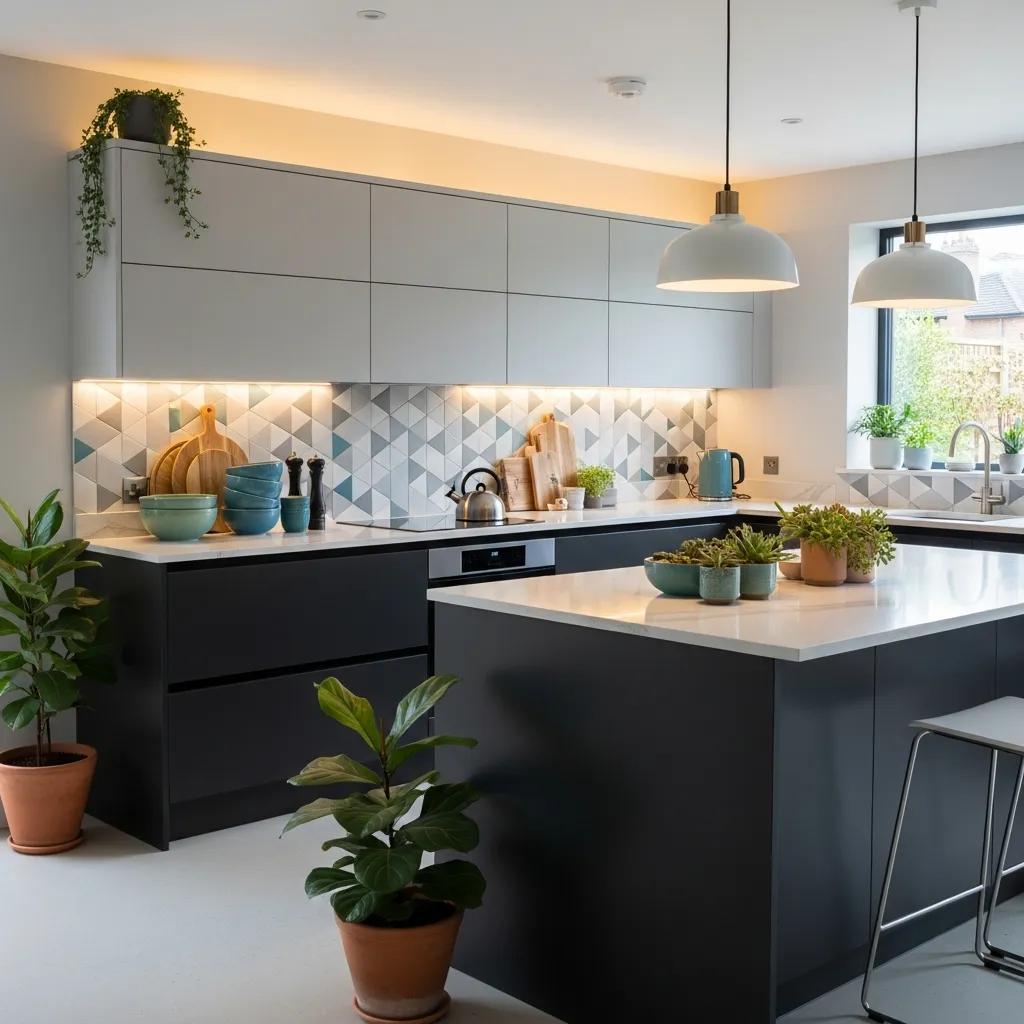
While neutrals provide a safe foundation, darker cabinet colors bring a different kind of impact. Matte black and deep navy have become popular in modern kitchens because they introduce contrast without overwhelming the design.
Matte black cabinets create a strong visual anchor, especially when paired with lighter countertops or metallic finishes.
The result feels intentional and structured, which aligns well with modern design principles. Navy blue offers a slightly softer alternative. It still provides depth but carries a bit more warmth, making it easier to blend with natural wood or brushed metal accents.
These darker tones work best when there is enough lighting to balance them out. Proper lighting planning is often addressed when designing lighting layouts for both function and style. In well-lit kitchens, they can make the space feel more refined rather than enclosed.
When To Use Two-Tone Cabinet Designs
Two-tone cabinetry has gained attention as a way to add dimension without overcomplicating the design. Instead of committing to one color, this approach allows you to combine lighter and darker shades within the same kitchen.
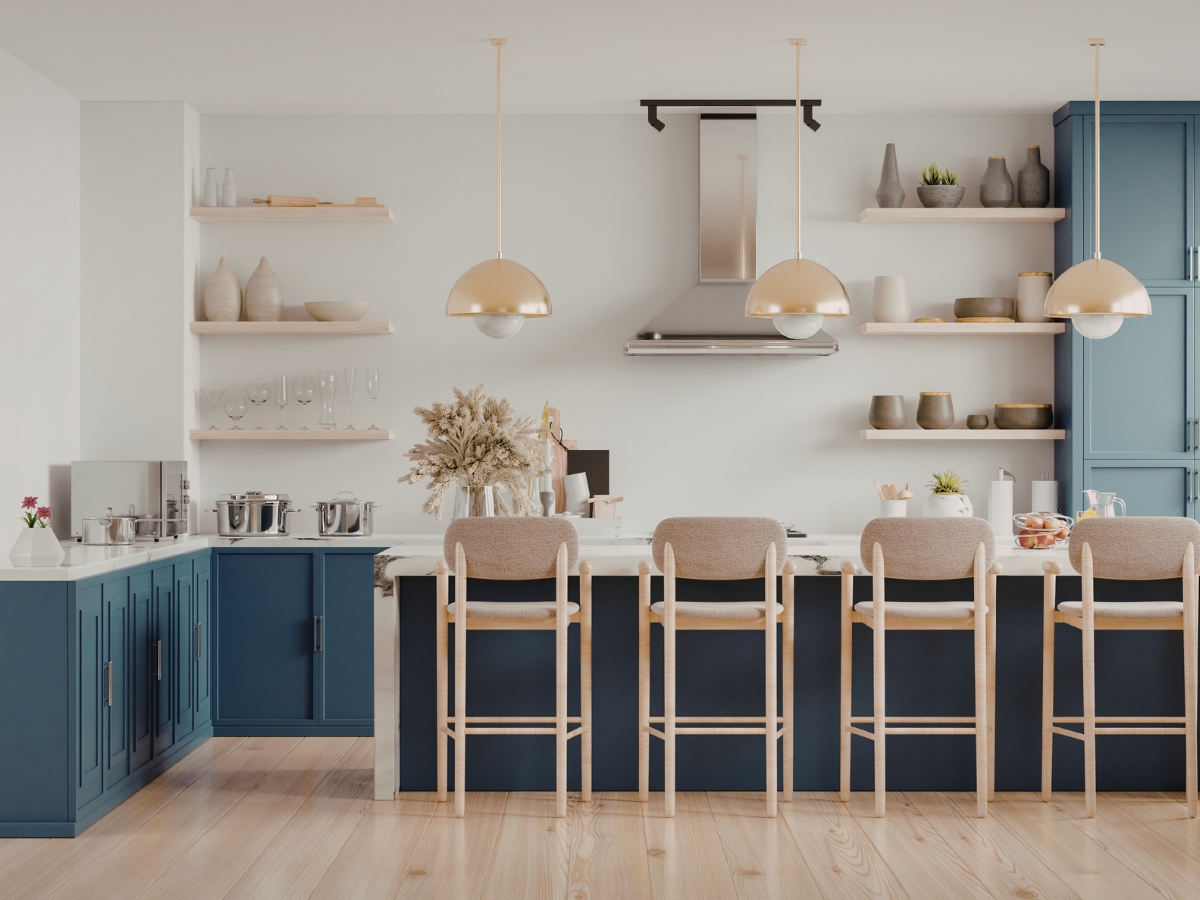
A common example is using darker cabinets on the lower level and lighter ones above. This helps ground the space while keeping the upper portion visually open. It also creates a natural contrast that feels modern without relying on bold or trendy colors.
If you are trying to choose kitchen colors that feel current but not overly stylized, a two-tone approach offers a balanced middle ground. It introduces variation while still maintaining a cohesive look.
If you are trying to choose kitchen colors that feel current but not overly stylized, a two-tone approach offers a balanced middle ground. This concept is frequently used in kitchen cabinet design strategies to create visual interest.
How To Balance Style And Practicality When Choosing Cabinet Colors
Cabinet color decisions are not only about visual appeal. In a space that sees daily use, practicality matters just as much as style.
When homeowners choose kitchen colors, they often focus on how the kitchen will look, but it is just as important to think about how those colors will hold up over time.
Some shades are better at concealing wear, fingerprints, and minor scuffs, which can make a noticeable difference in how often cabinets need cleaning.
Others help reflect light or soften the overall look of the space. The goal is to find a balance where the kitchen looks intentional while still being easy to maintain.
Which Cabinet Colors Work Best For Everyday Use
Certain cabinet colors stand out because they combine durability with visual appeal. Charcoal gray, for example, has become a reliable choice for modern kitchens.
It offers depth and contrast while doing a better job of hiding everyday marks compared to lighter shades. This makes it especially useful in busy households.
Cream cabinets take a different approach by warming up the space without feeling too heavy. They provide a softer alternative to bright white and tend to pair naturally with wood tones, which helps create a more relaxed and inviting environment. This can be a good option for kitchens that aim to feel comfortable rather than overly polished.
Forest green is another color that has gained attention for its ability to bring a natural element indoors. It works well with wood finishes and stone surfaces, creating a grounded look that still feels current.
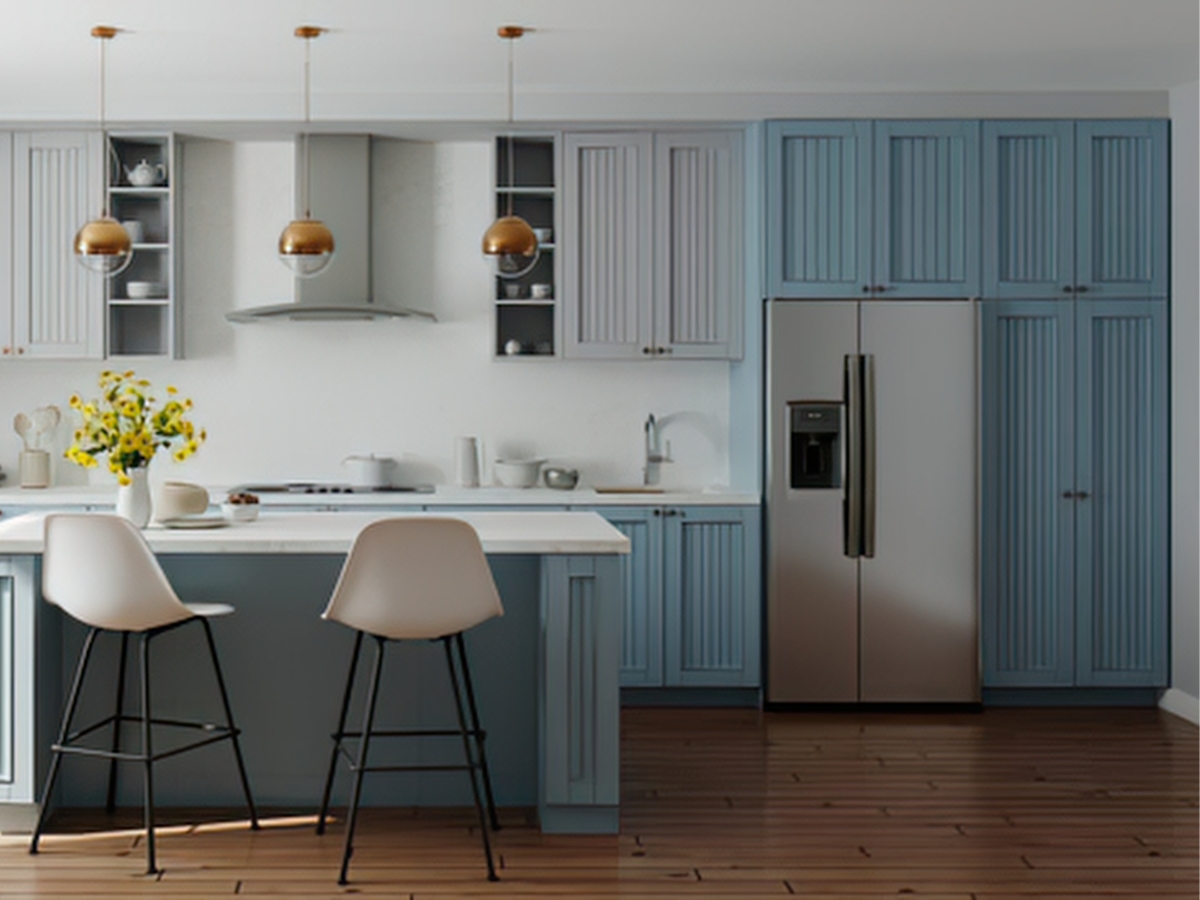
For those who prefer something lighter, soft blue tones can open up the room and give the kitchen a more airy feel, especially in smaller layouts.
When you choose kitchen colors at the cabinet level, you are setting the tone for the entire space. This decision often works alongside the right materials that can handle daily wear. These choices influence not just appearance, but also how the kitchen functions on a daily basis.
How Wall Colors Influence The Overall Kitchen Atmosphere
While cabinets anchor the design, wall color plays a supporting role that can either enhance or compete with those choices. The right paint color helps tie everything together, making the kitchen feel cohesive rather than disconnected.
Soft white remains one of the most dependable options because it reflects light and works with almost any cabinet color.
It is especially useful in kitchens that need a brightness boost without feeling stark or clinical. Light gray offers a similar level of flexibility, but with a slightly more muted effect that can soften the overall look.
For homeowners who want to introduce warmth, pale yellow or warm beige can shift the atmosphere without overwhelming the space. These tones create a welcoming feel that works well in kitchens designed for gathering and everyday use. They also tend to complement natural materials, which helps the room feel more balanced.
When you choose kitchen colors for walls, it is helpful to think about how they will interact with cabinets, flooring, and lighting throughout the day. Small shifts in tone can have a noticeable impact on how the space feels.
Why Paint Finish Matters When You Choose Kitchen Colors
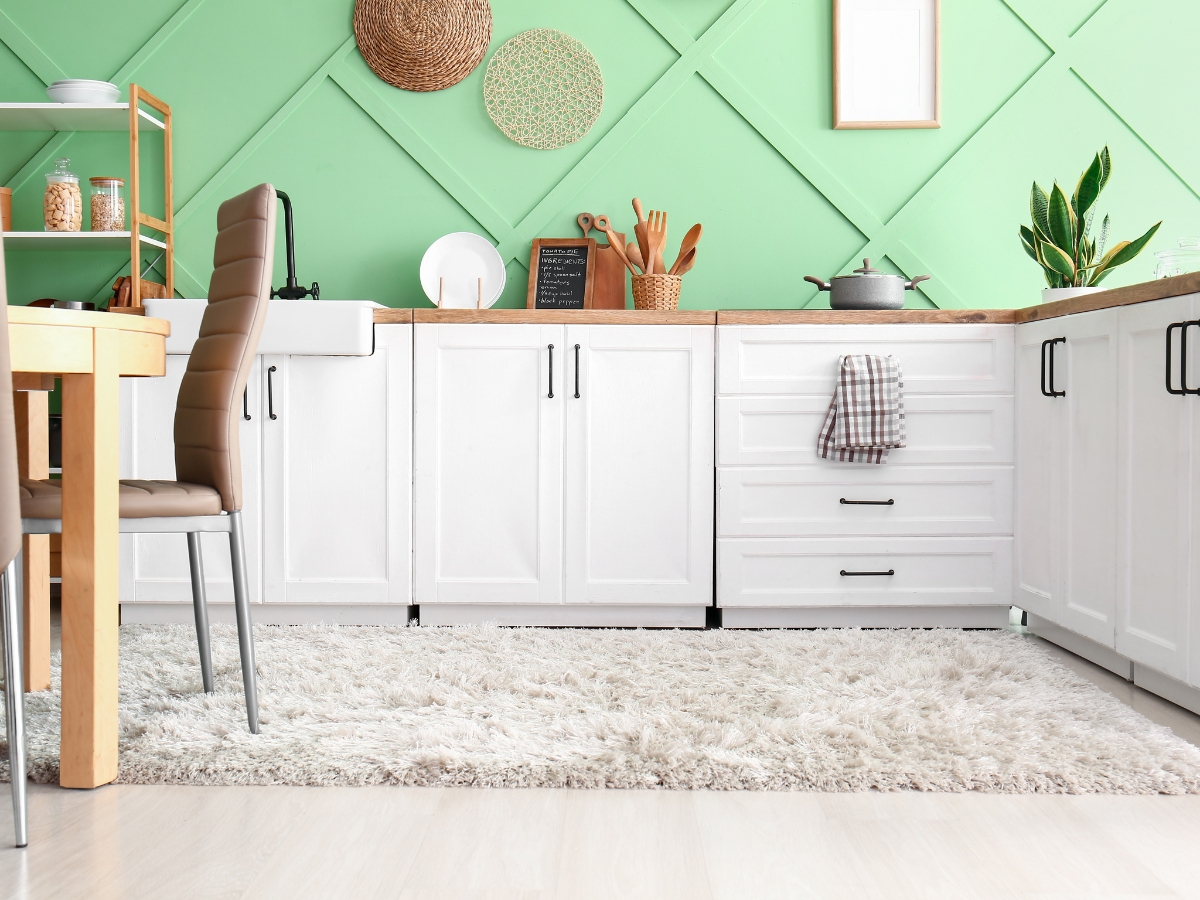
When people choose kitchen colors, they often focus on the shade itself and overlook the finish. In reality, the finish plays a major role in how that color looks once it is applied.
It affects how light reflects off the surface, how smooth the cabinets appear, and how well they hold up over time. Two kitchens can use the exact same color but look completely different depending on whether the finish is matte or glossy.
Beyond appearance, the finish also determines how easy it is to clean the cabinets and how resistant they are to everyday wear. Understanding these differences helps you make a decision that works both visually and practically.
How Matte Finishes Shape A Softer Look
Matte finishes create a muted, non-reflective surface that works well in kitchens, aiming for a relaxed or understated feel.
Because they do not reflect much light, they tend to soften the overall appearance of the cabinetry. This can be helpful in spaces where you want to avoid glare or create a more subtle design.
One advantage of matte finishes is that they can help conceal minor imperfections in the cabinet surface. Small dents or uneven textures are less noticeable compared to shinier finishes.
However, they can be slightly more challenging to maintain. Smudges and stains may require more effort to clean, especially in high-traffic areas.
If you choose kitchen colors that are already soft or muted, a matte finish can enhance that effect and create a cohesive, low-key look.
Why Satin Finishes Offer A Balanced Approach
Satin finishes sit somewhere between matte and glossy, which makes them a practical choice for many kitchens. They have a slight sheen that reflects a bit of light without becoming too reflective. This helps brighten the space while still maintaining a comfortable, lived-in feel.
From a maintenance standpoint, satin finishes are easier to clean than matte surfaces. They resist stains better and can handle regular wiping without losing their appearance. This makes them a strong option for families or anyone who uses their kitchen frequently.
When homeowners choose kitchen colors and want something that works well in both design and function, satin is often the middle ground that delivers on both fronts.
When Semi-Gloss And High-Gloss Make Sense
For kitchens that need maximum durability, semi-gloss and high-gloss finishes are worth considering. These finishes reflect more light, which can make cabinets stand out and add a sharper, more polished look to the space.
Semi-gloss is commonly used because it strikes a balance between durability and appearance. It is resistant to moisture and easy to clean, making it well-suited for areas near sinks, stoves, or high-use zones. The added shine can also help highlight details such as paneling or trim.
High-gloss takes this a step further by creating a smooth, reflective surface that feels more modern. It can make a kitchen appear brighter and more open, especially in smaller spaces. However, it also tends to show imperfections more clearly, so proper preparation and application are important.
Matching Finish With Lifestyle And Design Goals
Choosing the right finish comes down to how your kitchen is used and the look you want to achieve. A matte finish may suit a quieter, design-focused space, while a satin or semi-gloss finish might be better for a busy household that needs easy maintenance.
When you choose kitchen colors, it helps to think of the finish as part of the overall plan rather than an afterthought. The combination of color and finish determines how the cabinets will look day to day, not just in a sample or showroom.
Taking the time to match finish with both lifestyle and design goals leads to a result that feels intentional and holds up well over time.
How To Coordinate Wall Colors With Your Cabinets
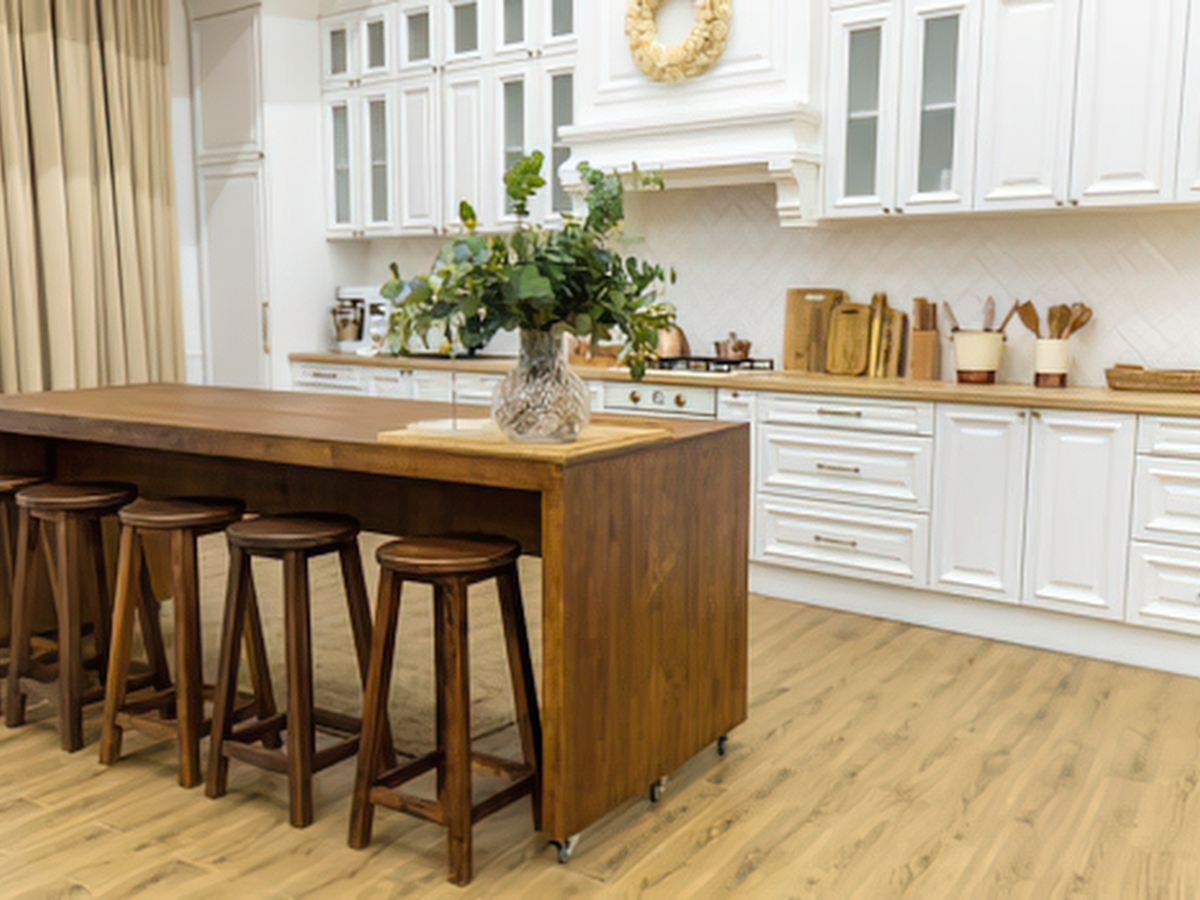
One of the most important steps in creating a cohesive kitchen is making sure your wall color works well with your cabinets.
While cabinets tend to be the focal point, wall color sets the tone for the entire space. When these two elements are aligned, the kitchen feels intentional rather than pieced together.
If you are trying to choose kitchen colors that feel balanced, it helps to think about contrast, harmony, and how light interacts with each surface. The goal is not to match everything exactly, but to create a combination that feels natural and easy to live with.
Using Contrast To Create Visual Balance
Contrast is one of the simplest ways to make cabinets and walls work together. When cabinets are darker, such as navy or charcoal, pairing them with a lighter wall color can keep the space from feeling too enclosed. Soft gray, off-white, or pale blue walls can help reflect light and open up the room.
On the other hand, if your cabinets are light, you have more flexibility. You can stay within a soft palette for a clean, seamless look, or introduce slightly deeper wall tones to add depth.
The key is to avoid extremes that feel disconnected. Even with contrast, there should be a sense of continuity between the two.
Creating Harmony With Complementary Tones
While contrast adds interest, harmony ensures that everything feels cohesive. One way to achieve this is by choosing colors that sit near each other on the color wheel.
These combinations tend to blend naturally and create a more relaxed visual flow. For example, white cabinets paired with pale blue walls create a soft, airy environment that feels calm and inviting.
Similarly, navy cabinets combined with muted gray walls can produce a more grounded, modern look without feeling too bold. This approach works well for homeowners who want a unified design without sharp transitions between elements.
Why Paint Finish Also Matters For Walls
Color is only part of the equation. The finish you choose for your walls can affect how that color appears throughout the day. In kitchens, finishes like satin or eggshell are often preferred because they offer a slight sheen without being overly reflective.
These finishes help bounce light around the room, which can make colors appear brighter and more consistent. They are also easier to clean than flat finishes, which is important in a space where spills and splashes are common.
Matching the wall finish with your cabinet finish is not required, but it can help create a smoother overall look. For example, if your cabinets have a subtle sheen, a satin wall finish will feel more cohesive than a completely flat surface.
Putting Color Combinations Into Practice
Real-world combinations can help bring these ideas together. Navy cabinets paired with soft gray walls create a modern, balanced look that works well in both small and large kitchens. White cabinets with pale blue walls offer a lighter, more open feel that suits spaces with plenty of natural light.
The most effective combinations are usually the ones that consider both color and context. Lighting, flooring, and even hardware can influence how these choices come across once everything is in place.
When you choose kitchen colors with both cabinets and walls in mind, you create a space that feels complete rather than assembled in parts. This kind of coordination not only improves how the kitchen looks, but also how comfortable it feels to use every day.
How Color Choices Shape The Feel Of Your Kitchen
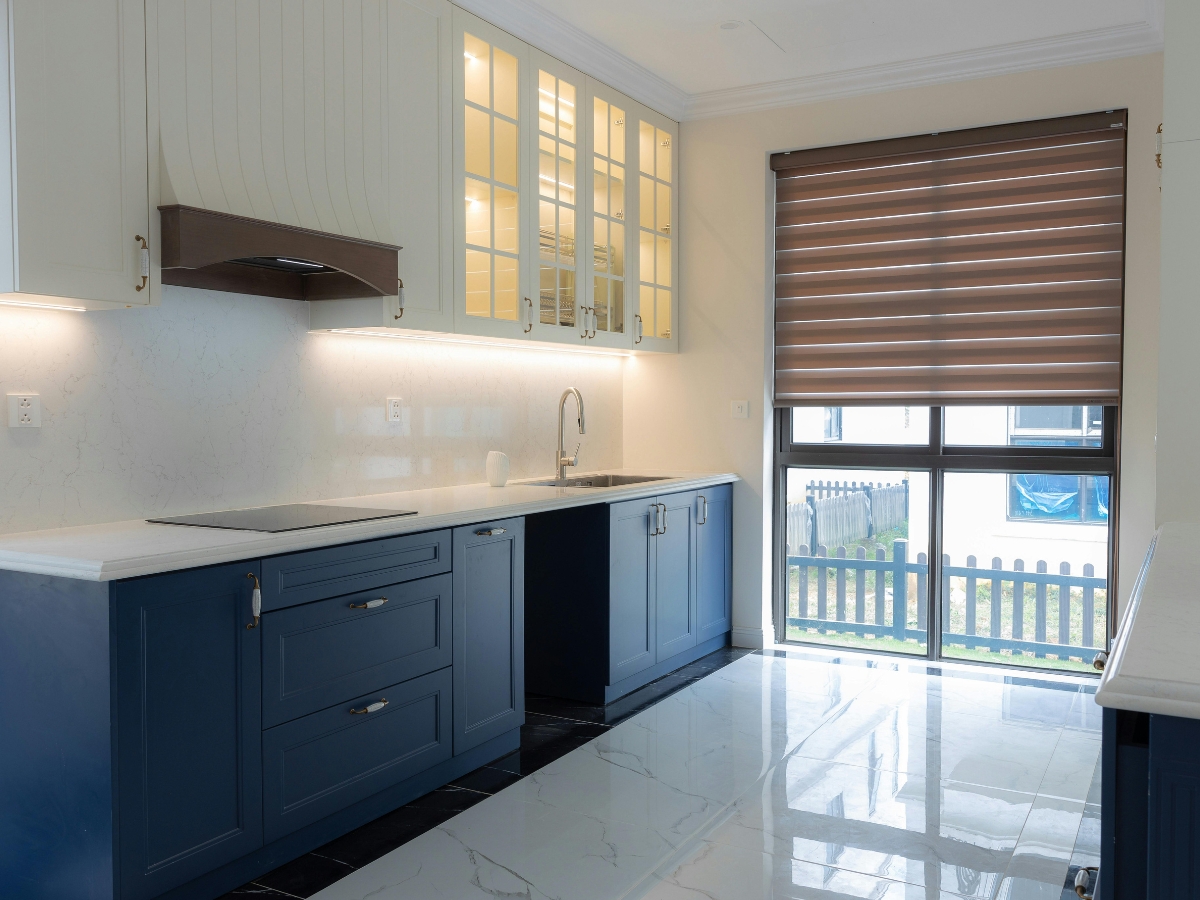
Color does more than define how a kitchen looks. It plays a direct role in how the space feels and how people interact within it. When homeowners choose kitchen colors, they are also shaping the atmosphere, whether that means creating a calm environment or a more energetic, social setting.
Understanding how different tones influence mood can help guide decisions in a way that goes beyond surface-level design. Instead of choosing colors based only on trends, it becomes easier to select options that match how the kitchen will actually be used day to day.
Why Neutral Colors Create A Steady Foundation
Neutral tones are often chosen for their ability to create a balanced and comfortable environment. Colors like beige, gray, and soft white tend to make a kitchen feel open and easy to navigate. They reflect light well, which can help smaller spaces feel less confined and more inviting.
Another advantage of neutral colors is their flexibility. They allow other elements in the kitchen, such as cabinetry, hardware, or décor, to stand out without competing for attention. This makes them a practical choice for homeowners who want a clean, timeless look that can adapt over time.
When you choose kitchen colors in a neutral range, you are creating a foundation that supports both design and function. The result is often a space that feels calm, organized, and easy to maintain visually.
How Bold Colors Influence Energy And Interaction
Bold colors bring a different kind of presence to the kitchen. Instead of blending into the background, they tend to draw attention and shape how the space is experienced. Shades like deep blue, rich green, or even red can introduce a sense of energy that makes the kitchen feel more active.
These colors are often used in kitchens that serve as gathering spaces. A bold tone can make the room feel more engaging, encouraging conversation and interaction. For example, a deep blue can add depth without feeling overwhelming, while warmer tones like red can make the space feel lively and social.
That said, bold colors are usually most effective when used with intention. Rather than applying them everywhere, they are often introduced through accent walls, cabinetry, or smaller design elements. This keeps the overall look balanced while still adding personality.
Understanding The Emotional Impact Of Specific Colors
Different colors tend to evoke specific emotional responses, which can influence how comfortable and functional the kitchen feels. Yellow is often associated with warmth and energy, making it a natural fit for spaces where people gather in the morning or throughout the day.
Green is another popular choice because of its connection to nature. It can create a sense of calm while still feeling fresh and inviting. This makes it a good option for kitchens that aim to feel relaxed without becoming too muted.
Red, on the other hand, is known for its intensity. It can increase energy and create a strong visual presence, which is why it is often used in moderation. Even small amounts can shift the mood of the space, making it feel more dynamic.
When you choose kitchen colors with these emotional effects in mind, you are not just decorating. You are shaping how the space supports everyday routines and interactions.
Bringing Atmosphere And Function Together
The most effective kitchens balance visual appeal with how the space feels to use. Neutral colors can create a sense of order and openness, while bold tones introduce energy and character. The right combination depends on how you want the kitchen to function and how often it is used as a social space.
Taking a thoughtful approach allows you to choose kitchen colors that support both atmosphere and practicality. Instead of focusing on individual shades, you are creating an environment that feels consistent, intentional, and comfortable over time.
How Color Combinations Improve Kitchen Function And Flow
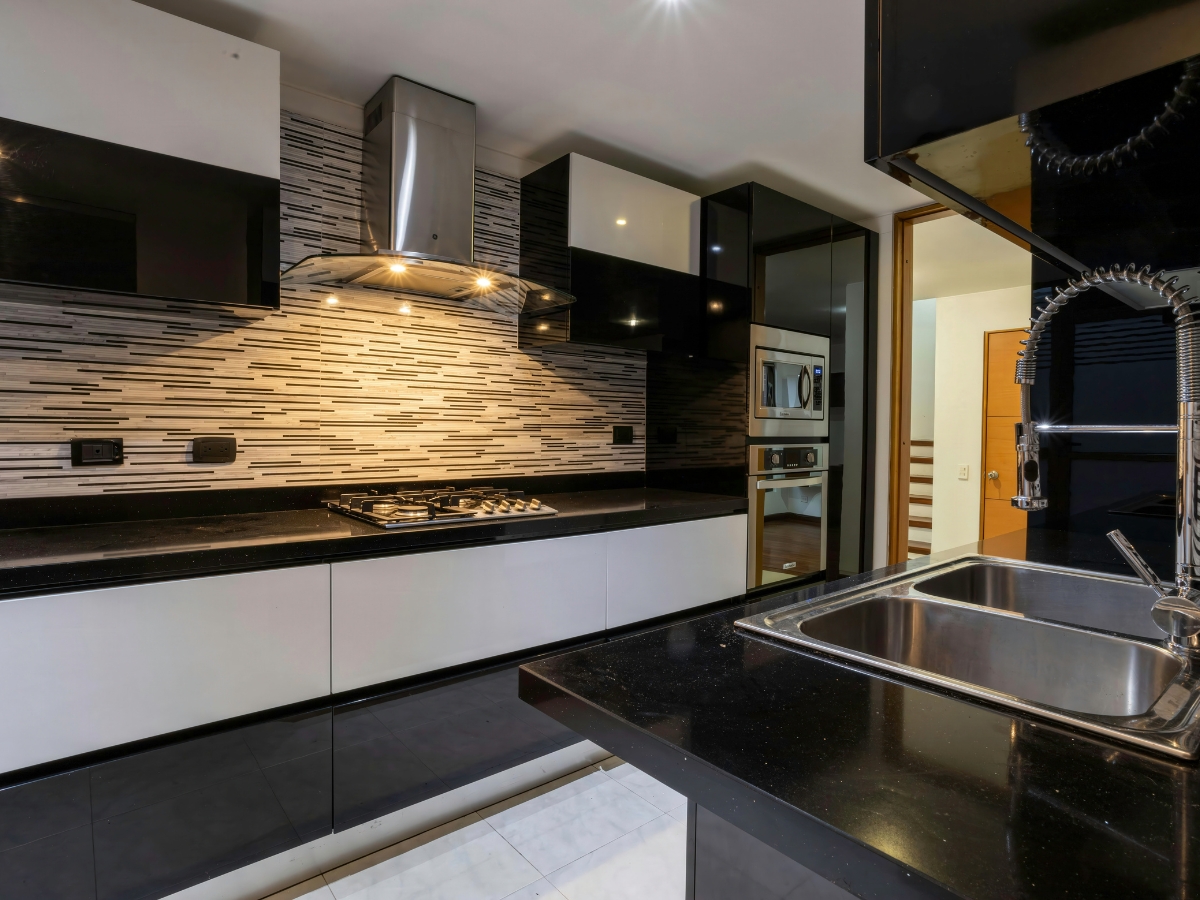
Choosing the right color is important, but how those colors work together is what truly shapes the kitchen. Thoughtful combinations can make the space easier to use, more comfortable to spend time in, and visually organized without feeling overly designed.
When homeowners choose kitchen colors, it helps to think in terms of relationships rather than individual shades. The way colors interact can guide movement, define areas, and create a sense of balance that supports everyday use.
Using Contrast To Define Key Areas
One of the most effective ways to improve functionality is through contrast. When different elements in the kitchen are clearly defined by color, it becomes easier to visually separate spaces without adding physical barriers.
For example, pairing darker lower cabinets with lighter upper cabinets or walls can help ground the space while keeping it open. This kind of contrast naturally draws the eye and makes the layout feel more structured. It can also highlight specific features, such as an island or a cooking area, without requiring additional design elements.
When you choose kitchen colors with contrast in mind, you are not just adding visual interest. You are also making the space more intuitive to navigate and use.
Adding Personality Without Overwhelming The Space
While structure is important, a kitchen should still feel personal and inviting. Accent colors are one way to introduce character without disrupting the overall design. Instead of committing to bold tones across large surfaces, accents allow you to experiment in a more controlled way.
These can appear through bar stools, small appliances, décor, or even a backsplash. A subtle pop of color can break up a neutral palette and keep the space from feeling too uniform. At the same time, it remains easy to update if your preferences change.
This approach works well for homeowners who want flexibility. When you choose kitchen colors that include accents rather than dominant bold tones, you can refresh the look of the kitchen without a major redesign.
Creating A Cohesive Look Across The Entire Kitchen
A cohesive palette is what ties everything together. Without it, even well-chosen colors can feel disconnected. The goal is not to match every element perfectly, but to ensure there is a consistent thread running through the design.
This often comes down to undertones. Warm tones tend to pair best with other warm shades, while cooler tones work more naturally together. Keeping this in mind helps avoid combinations that feel slightly off, even if the individual colors are appealing on their own.
When you choose kitchen colors as part of a broader palette, the result is a space that feels complete rather than assembled piece by piece. This is especially important in open layouts, where the kitchen connects to other areas of the home.
Balancing Visual Appeal With Everyday Comfort
Color combinations should not only look good, but also support how the kitchen is used. A well-balanced space feels comfortable over time, not just during the initial design phase.
This means avoiding extremes that may become tiring, such as overly bright or overly dark combinations used throughout the entire room.
Instead, layering colors in a thoughtful way creates a more livable environment. Lighter tones can keep the space feeling open, while deeper shades add depth where needed. Accents bring in variation without overwhelming the senses.
Taking this approach makes it easier to choose kitchen colors that hold up both visually and functionally. The end result is a kitchen that feels easy to move through, comfortable to spend time in, and consistent in its overall design.
How To Build A Cohesive Kitchen Color Scheme From The Ground Up
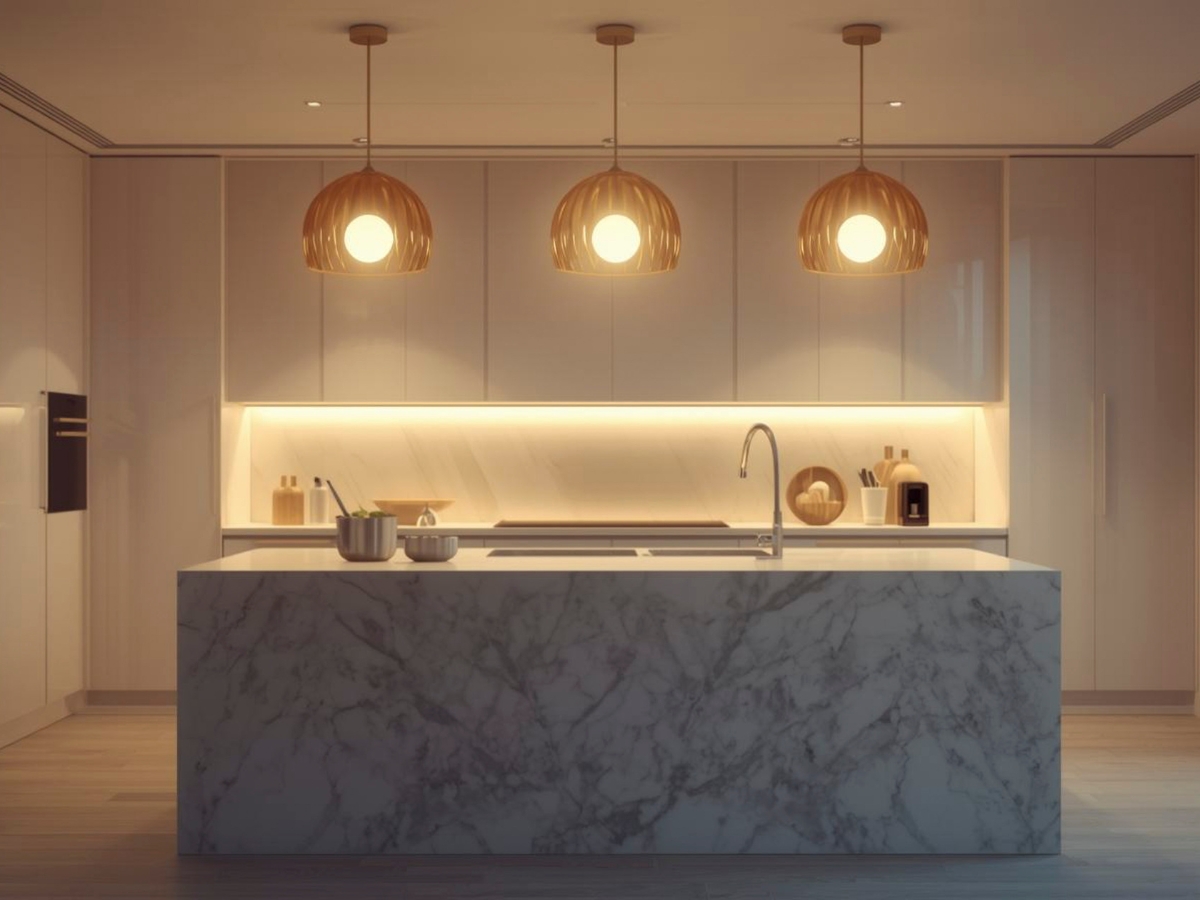
Creating a cohesive kitchen is less about picking a single perfect shade and more about how colors work together across the space.
When homeowners choose kitchen colors, the goal is to create a sense of flow so that cabinets, walls, and accents feel connected rather than separate.
A good starting point is selecting one base color that anchors the design. This is usually applied to the largest surface, such as cabinets or walls. Once that foundation is in place, it becomes easier to layer in additional tones that support it rather than compete with it.
Using Proportion To Keep Colors Balanced
One of the most practical ways to combine colors is by thinking in terms of proportion. A commonly used approach is the 60-30-10 guideline, which helps distribute colors in a way that feels natural.
In this framework, the dominant color takes up most of the visual space, often through cabinetry or walls. A secondary color supports it, appearing in elements like islands, backsplashes, or larger accents. The final portion is reserved for smaller details that add contrast, such as décor or hardware.
This approach works because it prevents any single color from overwhelming the room. Instead, it creates a layered look that feels intentional. When you choose kitchen colors with this type of balance in mind, the overall design tends to feel more comfortable and visually clear.
Why Testing Colors In Real Lighting Matters
Even well-planned color combinations can look different once they are applied in the actual kitchen. Lighting plays a major role in how colors appear, and it can shift throughout the day depending on natural and artificial sources.
Testing paint samples directly on your walls or cabinets helps you see how the color behaves in your specific environment. A shade that looks warm in a showroom might feel cooler at home, or a soft neutral might appear darker than expected in low light.
Taking this extra step allows you to make adjustments before committing to a final decision. It is one of the simplest ways to ensure that the colors you choose kitchen colors around will hold up in real conditions, not just in theory.
How Professional Guidance Can Simplify The Process
For homeowners who feel unsure about combining colors, working with a professional can help bring clarity to the process. Designers and remodeling specialists often have experience identifying combinations that work well together based on layout, lighting, and material choices.
Kitchen and Bath by Zeus, for example, offers color consultations that focus on aligning your preferences with practical design considerations. Instead of relying on guesswork, you receive input that takes into account how the entire kitchen will come together.
This kind of guidance can be especially useful when trying to balance multiple elements, such as cabinetry, countertops, and flooring, without creating visual conflict.
What To Expect From A Personalized Color Consultation
A typical consultation goes beyond simply suggesting a few color options. It usually involves a closer look at your kitchen layout, existing features, and how you plan to use the space. From there, recommendations are tailored to fit both your style and the functional needs of the kitchen.
You may also receive help selecting materials that complement your chosen palette, along with visual mockups that show how everything will look once completed. These previews can make it easier to feel confident in your decisions before moving forward.
Turning Color Choices Into A Finished Design
Combining colors effectively is about more than following a formula. It requires understanding how different elements interact and making adjustments based on real conditions.
Whether you approach it independently or with professional input, the key is to stay focused on how the space will feel once everything is in place.
When you choose kitchen colors with both structure and flexibility in mind, you create a design that feels cohesive without being rigid. The result is a kitchen that not only looks well put together but also supports how you use it every day.
Frequently Asked Questions About Choosing Kitchen Colors
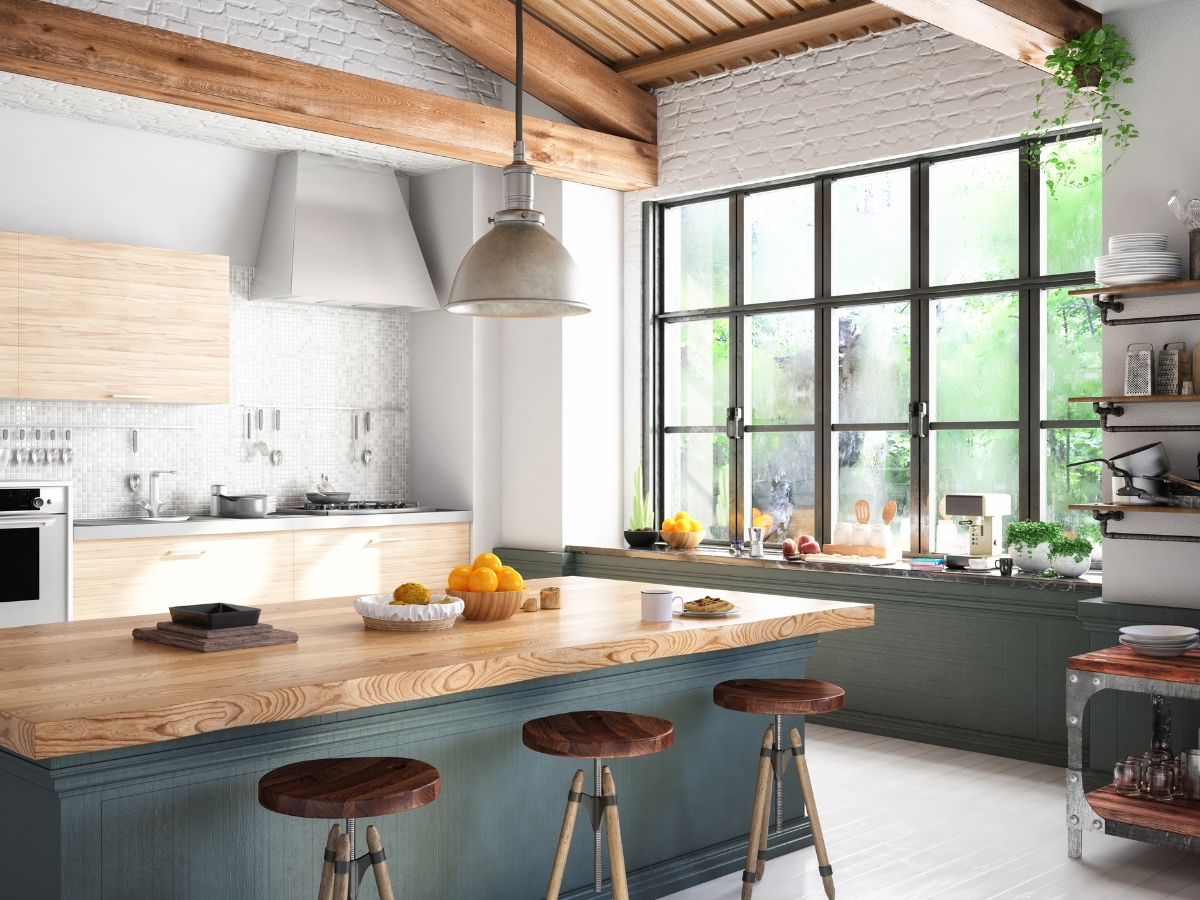
What Factors Matter Most In A Small Kitchen?
When working with a smaller kitchen, color can make a noticeable difference in how open the space feels. Lighter shades tend to reflect more light, which helps reduce the sense of confinement.
Soft whites, pale grays, and subtle pastels are often reliable choices because they keep the space feeling bright without drawing too much attention to its size.
A more consistent palette can also help. When surfaces blend rather than contrast sharply, the kitchen appears more continuous and less segmented. Glossy or lightly reflective finishes can further enhance this effect by bouncing light around the room.
How Can You Use Trends Without Overcommitting?
Trends can be appealing, but using them too heavily can make a kitchen feel dated over time. A more practical approach is to introduce trend-driven colors in smaller, flexible ways rather than applying them across large surfaces.
Accent areas are often the easiest place to experiment. A backsplash, a painted island, or even decorative pieces can introduce a current color without locking you into it long term. Pairing these accents with neutral cabinets or walls keeps the overall design grounded.
How Does Lighting Affect Color Choices?
Lighting has a direct impact on how colors appear once they are in your kitchen. Natural light tends to show colors more clearly, while artificial lighting can shift tones in subtle ways.
Warm lighting often softens colors, making them feel more relaxed, while cooler lighting can make shades appear sharper or slightly different than expected.
Because of this, it is important to view your chosen colors at different times of day. A color that looks balanced in the morning might feel too dark in the evening under artificial light.
Layered lighting, including overhead, task, and accent lighting, can help maintain consistency and highlight the colors you have selected.
How Can Color Help Define Zones In Open Kitchens?
In open-concept layouts, color can be used to create subtle boundaries between different areas without adding physical divisions. This is especially useful when the kitchen flows into dining or living spaces.
One approach is to vary cabinet or island colors slightly from surrounding elements. A deeper shade on the island, for example, can act as a visual anchor, while lighter tones around it keep the overall space cohesive.
What Mistakes Should You Avoid?
Some of the most common issues come from not considering how colors behave in the actual space. Very dark tones can make a kitchen feel smaller if they are not balanced with enough light. On the other hand, using too many contrasting colors can create a sense of clutter rather than cohesion.
Skipping the sample stage is another frequent mistake. Colors often look different on a wall than they do on a small swatch, especially under varying lighting conditions. Testing a few options in your kitchen helps avoid surprises later.
How Do You Keep Kitchen Colors Timeless?
A timeless kitchen usually relies on a stable foundation rather than chasing short-term trends. Neutral tones like white, gray, and soft earth shades tend to hold up well over time because they are adaptable and easy to pair with other elements.
That does not mean avoiding color entirely. Instead, it is about placing bolder choices in areas that can be updated more easily, such as accessories or smaller features. This allows the kitchen to evolve without requiring major changes.
Conclusion
Choosing kitchen colors that stand the test of time doesn’t have to be overwhelming—by focusing on versatile neutrals, balancing bold accents, and considering how natural light interacts with your space, you can create a palette that feels both fresh and timeless.
Whether you’re drawn to warm whites, soft greiges, or navy blues with lasting appeal, the right colors set the foundation for a kitchen you’ll love for years. For expert guidance in bringing your vision to life—from color selection to full-scale design—trust Kitchen and Bath by Zeus.
Ready to create a kitchen that always works, no matter the trend? Call 404-602-2668 or fill out our online form to schedule your free consultation today. Let our design team help you build a space that’s as functional as it is beautiful, with colors that never go out of style.