
White cabinets remain one of the most popular kitchen design choices because they create a bright, clean foundation that works with almost any style.
The challenge is deciding what comes next. The countertop you choose has a major impact on the overall look, influencing everything from contrast and warmth to the kitchen’s long-term appeal.
The best countertop combinations for white cabinets can dramatically change the character of a space. Bold dark surfaces create striking contrast, while soft natural tones offer a more seamless and inviting feel.
Materials, patterns, and finishes all play a role in determining whether the design feels modern, traditional, farmhouse-inspired, or somewhere in between. With the right pairing, white cabinets become the perfect backdrop for a kitchen that feels cohesive, stylish, and timeless.
Combinations for White Cabinets That Never Go Out of Style
Best Countertop Materials for White Cabinets
White cabinets offer exceptional flexibility when it comes to countertop selection, which is one reason they remain a popular choice in kitchen design.
The right countertop can completely change the character of the space, whether you’re aiming for a bright and timeless look, a bold modern statement, or a warm and inviting atmosphere. When exploring the best combinations for white cabinets, it’s important to consider both appearance and practicality.
Factors such as durability, maintenance requirements, and overall design style all play a role in determining which material is the best fit for your kitchen. The following countertop options are among the most popular choices for pairing with white cabinetry, each offering a distinct look and set of benefits.
Classic Marble
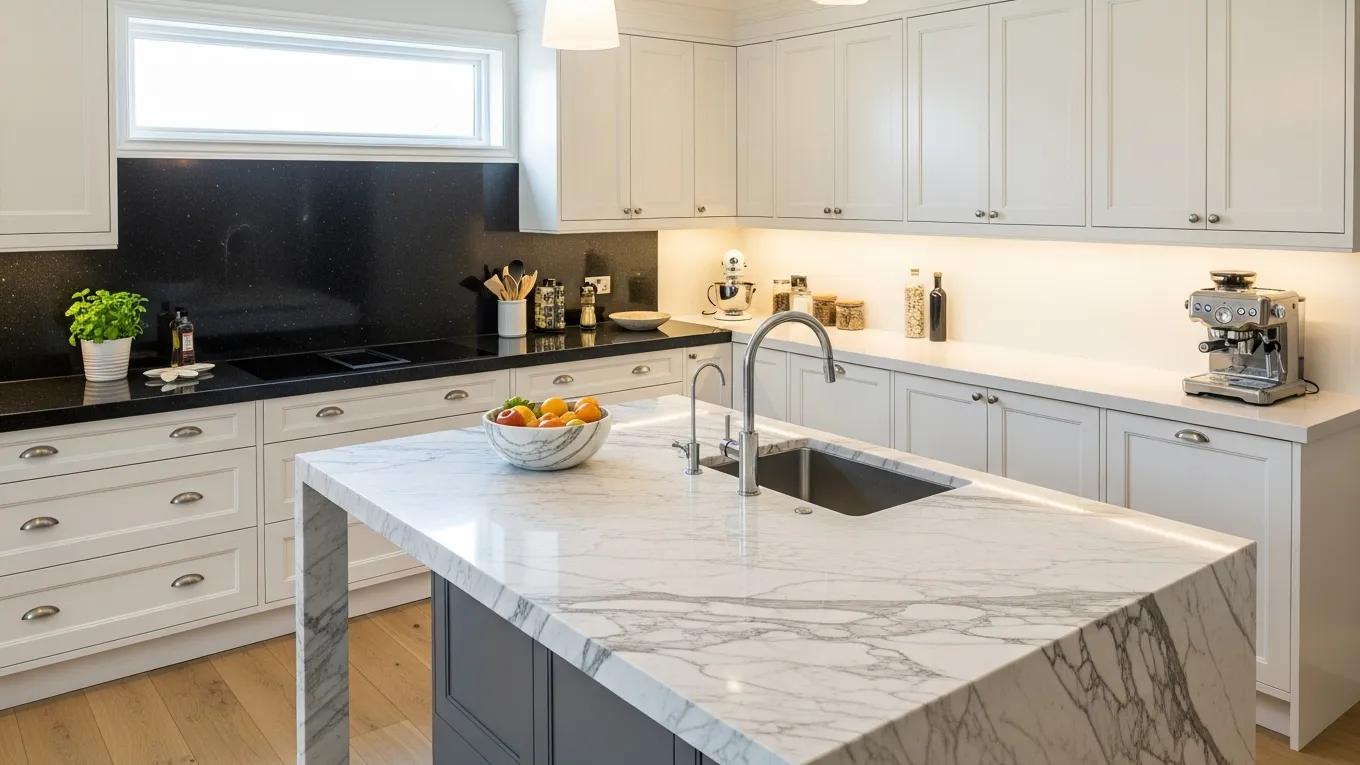
Marble has long been associated with timeless kitchen design, and it remains one of the most popular combinations for white cabinets. Its natural veining introduces movement and visual interest while maintaining the bright, airy feel that makes white cabinetry so appealing.
One of marble’s greatest strengths is its ability to elevate a space without overwhelming it. Whether the veining is subtle or dramatic, the stone creates contrast and texture while preserving a refined appearance. Because marble reflects light effectively, it can also help kitchens feel larger and more open.
However, aesthetics are only part of the equation. Marble is a softer natural stone that requires ongoing maintenance to protect against stains, scratches, and etching. Homeowners who appreciate its distinctive appearance should also be prepared for the care that comes with preserving its beauty over time.
For those seeking a classic, high-end kitchen, marble remains one of the most enduring countertop combinations for white cabinets.
Bold Dark Granite
For homeowners who prefer stronger contrast, dark granite can create a dramatic and sophisticated look. Deep black, charcoal, and dark gray granite surfaces stand out against white cabinetry, creating a visually striking focal point within the kitchen.
This contrast works particularly well in contemporary and transitional spaces where homeowners want to add depth without introducing excessive color. The natural patterns found in granite prevent the design from feeling flat, while the darker surface helps anchor the overall room.
Beyond its appearance, granite is known for its durability. It offers excellent resistance to heat and everyday wear, making it a practical option for busy kitchens. Since every slab contains unique variations in color and pattern, granite also provides a custom look that cannot be replicated exactly.
Among the many combinations for white cabinets, dark granite remains a popular choice for homeowners seeking a balance between elegance and durability.
Light Quartz
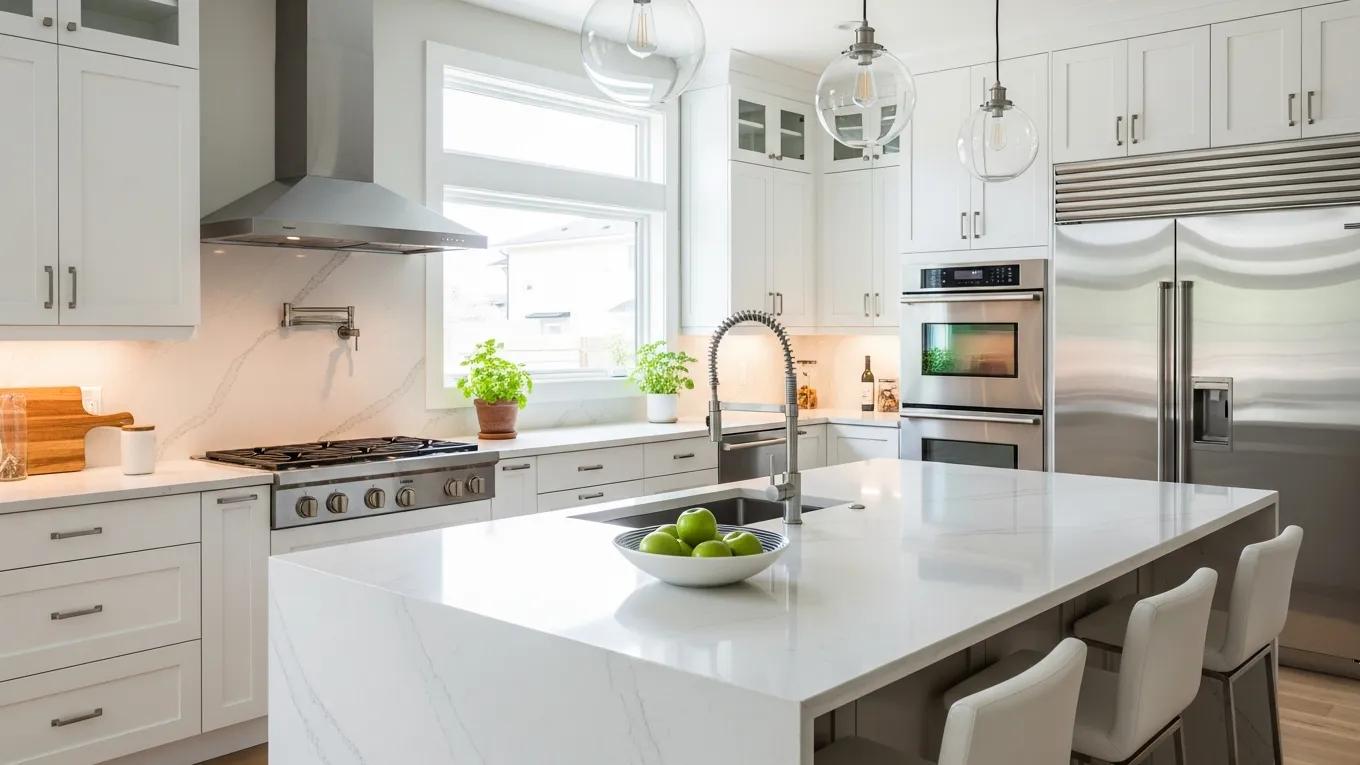
Quartz has become one of the most sought-after countertop materials because it combines attractive design with easy maintenance. Light-colored quartz surfaces pair naturally with white cabinets, creating a clean and cohesive aesthetic that works across a wide range of design styles.
Unlike some natural stones, quartz is engineered to provide consistency in both color and pattern. This makes it easier to achieve a polished, uniform appearance throughout the kitchen.
Soft white, cream, and light gray quartz options are especially effective at maintaining the bright, open atmosphere many homeowners want from white cabinetry.
Advancements in manufacturing have also expanded the design possibilities. Many modern quartz products now feature realistic veining and movement that closely resemble natural marble or granite while offering the benefits of a non-porous surface.
Because quartz resists staining and requires minimal upkeep, it is often recommended for households that want attractive countertops without extensive maintenance requirements.
Wooden Countertops
Wood countertops offer a completely different design approach by introducing warmth and natural texture into the kitchen. While white cabinets can sometimes feel crisp or formal, wood surfaces help soften the overall aesthetic and create a more welcoming environment.
The natural grain patterns found in wood add character that evolves over time. Depending on the species and finish selected, wood countertops can complement farmhouse, Scandinavian, rustic, transitional, or even modern kitchen designs.
Wood also creates visual balance by introducing an organic element alongside painted cabinetry. This combination often feels more relaxed and inviting than all-white or stone-heavy kitchens.
Like marble, wood requires ongoing care. Regular sealing and proper maintenance help protect against moisture, staining, and daily wear. For homeowners who appreciate natural materials and don’t mind occasional upkeep, wood can be one of the most distinctive combinations for white cabinets.
Which Countertop Materials Best Complement White Cabinets?
White cabinets are remarkably versatile because they work well with both light and dark countertop materials. The best choice depends largely on the atmosphere a homeowner wants to create.
Marble delivers timeless elegance and visual sophistication. Dark granite introduces contrast and dramatic character. Light quartz supports a bright, modern appearance with minimal maintenance. Wood countertops provide warmth and texture that make a kitchen feel more inviting.
Each material offers unique advantages that influence both the appearance and functionality of the space.
How Do Granite, Quartz, and Marble Countertops Differ for White Cabinets?
When comparing popular countertop options, the differences often come down to maintenance, durability, and visual style.
Granite is a natural stone known for its durability, heat resistance, and unique patterns. Quartz is an engineered surface that offers consistency, stain resistance, and easy maintenance. Marble provides unmatched elegance and natural beauty, but requires more attention to protect its surface from wear.
All three materials can create beautiful combinations for white cabinets, but the right choice depends on how the kitchen will be used and how much maintenance the homeowner is comfortable performing.
By balancing aesthetics, practicality, and lifestyle needs, homeowners can select a countertop material that complements their white cabinetry while supporting long-term satisfaction with the space.
Countertop Color Options for White Cabinets
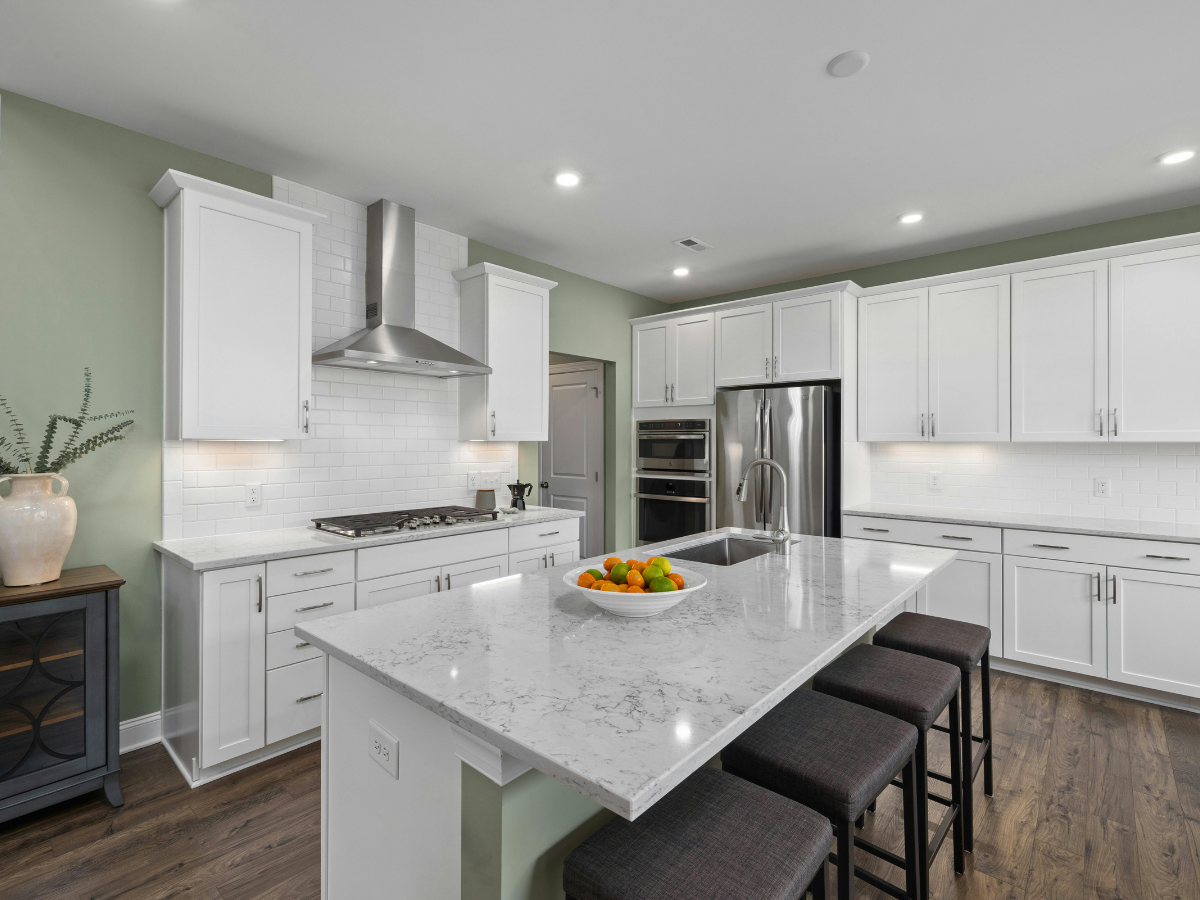
Choosing the right countertop color is just as important as selecting the material itself. White cabinets provide a versatile foundation that works with a wide range of colors, allowing homeowners to create anything from a bright, understated kitchen to a bold, high-contrast design.
When exploring different combinations for white cabinets, color can influence the mood of the space, affect how large the room feels, and help define the overall design style.
The key is finding a countertop color that complements the cabinetry while supporting the look and functionality you want to achieve.
Blue Tones
Blue countertops offer a unique alternative to more traditional neutral surfaces. Depending on the shade selected, blue can introduce a sense of calm, sophistication, or coastal charm while still maintaining a clean and organized appearance.
Lighter blues tend to create an airy, relaxed atmosphere that pairs particularly well with white cabinetry. These softer shades are often used in coastal, transitional, or contemporary kitchens where homeowners want a subtle touch of color without overwhelming the space.
Darker blue surfaces create a more dramatic effect. Deep navy or slate-blue countertops can provide striking contrast while retaining a refined, elegant look. Materials such as quartz, granite, and glass are available in a variety of blue tones, giving homeowners flexibility in both style and performance.
When used thoughtfully, blue countertops can become one of the more distinctive combinations for white cabinets, offering personality while preserving the timeless appeal of white kitchen design.
Bright Colors
For homeowners who want their kitchen to make a statement, bright countertop colors can create a memorable focal point. Vibrant hues such as red, yellow, or green immediately draw attention and can add energy to the room.
Unlike neutral countertops that blend into the overall design, brighter colors often become a defining feature of the kitchen.
This approach works particularly well in contemporary, eclectic, or artistic interiors where creativity and individuality are part of the design vision. However, bright countertops generally require a more intentional design strategy.
Because white cabinets already provide a clean backdrop, colorful surfaces should be coordinated with other elements in the space, such as backsplash materials, lighting, or accent décor. This helps create balance and prevents the room from feeling visually overwhelming.
When carefully integrated into the overall design, bright countertops can transform a kitchen into a highly personalized space that stands out while still benefiting from the versatility of white cabinetry.
What Are the Best Countertop Color Options for White Cabinets?
The best countertop color ultimately depends on the atmosphere you want to create. White cabinets work exceptionally well with a wide range of tones, making them one of the most adaptable design choices available.
Neutral colors remain among the most popular options because they maintain brightness while adding subtle contrast. Gray and beige countertops create a balanced, timeless look that works across traditional, transitional, and modern kitchen styles.
For homeowners seeking more visual impact, darker colors can introduce depth and sophistication. Black, charcoal, and deep blue surfaces create bold contrast that highlights the crisp appearance of white cabinetry.
Classic materials such as marble and light quartz continue to be favored because they combine elegance with long-term versatility. These surfaces complement white cabinets without dominating the overall design, making them suitable for a variety of kitchen aesthetics.
Which Dark Countertop Colors Enhance White Cabinetry?
Dark countertops create some of the most dramatic combinations for white cabinets because they emphasize contrast and architectural definition. This pairing has remained popular for decades because it feels both timeless and contemporary.
Black granite is one of the most recognizable examples. Its rich color creates a striking visual distinction while adding durability and natural texture. The contrast between black countertops and white cabinets often produces a sophisticated, high-end appearance.
Dark gray countertops offer a slightly softer alternative. They provide depth and contrast without the intensity of pure black, making them a versatile option for modern and transitional kitchens.
Deep blue surfaces can also serve as a luxurious choice for homeowners seeking something less conventional. The color adds personality while maintaining the refined character that darker countertops often bring to a space.
Which Light And Neutral Countertop Colors Pair Well With White Cabinets?
Light and neutral countertops create a more subtle, cohesive look that keeps kitchens feeling open and inviting. Rather than emphasizing contrast, these colors focus on continuity and brightness.
Light gray countertops are especially popular in contemporary kitchens because they provide gentle contrast while maintaining a clean, streamlined appearance. They work well with a variety of hardware finishes and backsplash materials, making them highly adaptable.
Beige and warm neutral tones introduce softness that can help balance the crispness of white cabinetry. This combination often creates a welcoming atmosphere that feels comfortable and timeless.
Light quartz remains one of the most versatile choices available. Its bright surface supports an open, airy feel while offering durability and low maintenance. For homeowners seeking practical yet elegant combinations for white cabinets, light quartz continues to be one of the most reliable options.
Whether you prefer bold contrast, subtle warmth, or a colorful statement, white cabinets provide the flexibility to support a wide range of countertop colors. The right choice depends on your design goals, lifestyle needs, and the overall character you want your kitchen to convey.
Matching Countertops to Kitchen Design Styles
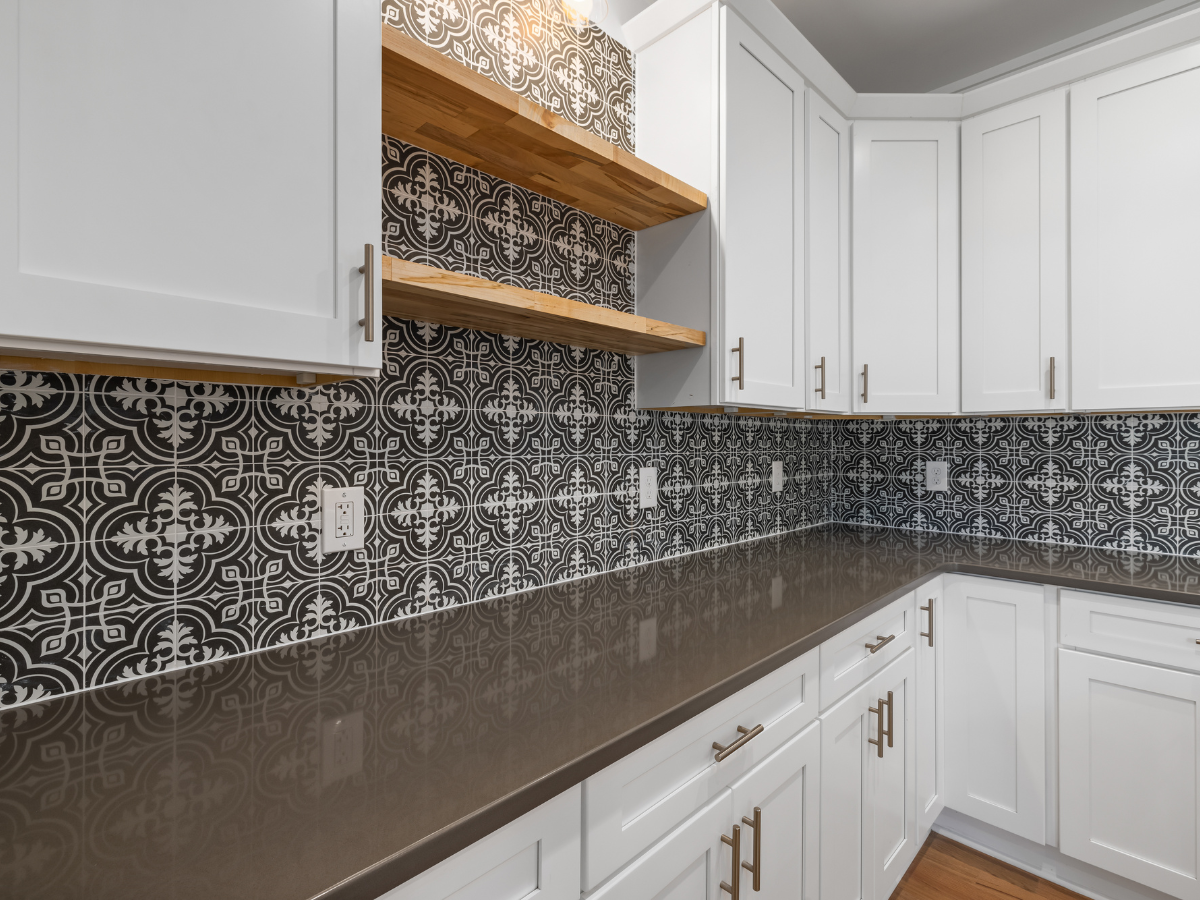
The best countertop color is not determined by cabinetry alone. While white cabinets provide a flexible foundation, the overall design style of the kitchen often has the greatest influence on which countertop colors feel most natural and cohesive.
A color combination that works beautifully in a modern kitchen may feel out of place in a farmhouse or traditional setting. When evaluating different combinations for white cabinets, it helps to consider the broader design goals of the space.
Elements such as flooring, lighting, hardware, backsplash materials, and architectural details all contribute to the overall aesthetic. Choosing a countertop color that complements these features helps create a kitchen that feels intentional and balanced.
How Do Kitchen Design Styles Influence Countertop Color Choices With White Cabinets?
Every kitchen style has its own visual characteristics, and countertop colors play a key role in reinforcing those design elements. White cabinets act as a neutral backdrop, allowing countertop selections to shape the room’s personality.
In modern kitchens, homeowners often gravitate toward strong contrasts or streamlined monochromatic palettes. Dark countertops paired with white cabinets can emphasize clean lines and architectural simplicity.
In contrast, coastal-inspired kitchens tend to favor lighter surfaces and subtle blue accents that contribute to a bright, relaxed atmosphere.
Farmhouse kitchens typically focus on warmth and comfort. Natural wood surfaces or countertops with earthy tones help soften the crisp appearance of white cabinetry and create a welcoming environment.
Transitional kitchens often blend traditional and contemporary influences, making them especially versatile when it comes to countertop selection.
Understanding the relationship between design style and color choice can help narrow the options and ensure that all elements of the kitchen work together harmoniously.
What Countertop Colors Suit Modern And Contemporary Kitchens With White Cabinets?
Modern and contemporary kitchens often prioritize simplicity, clean lines, and visual contrast. In these spaces, countertop colors are frequently chosen to create definition and highlight the crisp appearance of white cabinetry.
Dark countertops remain one of the most popular choices. Black granite, charcoal quartz, and deep navy surfaces create striking contrast while maintaining a sleek and sophisticated appearance. This combination draws attention to the cabinetry’s clean geometry and helps establish a strong visual foundation for the room.
Gray countertops are another common option in contemporary design. Lighter gray tones create a subtle, refined look, while darker grays provide additional depth without the starkness of black. Their versatility makes them easy to pair with stainless steel appliances, modern hardware, and minimalist décor.
For homeowners who want a softer modern aesthetic, white or light gray quartz countertops can create a seamless appearance that emphasizes openness and simplicity. These surfaces allow other design elements, such as lighting fixtures or statement backsplashes, to take center stage.
Among the many combinations for white cabinets, contemporary kitchens often favor colors that reinforce clean, uncluttered design principles while maintaining a sense of sophistication.
Which Countertop Colors Complement Traditional And Transitional Kitchen Designs?
Traditional and transitional kitchens tend to emphasize warmth, elegance, and timeless appeal. In these settings, countertop colors often serve a different purpose than they do in modern spaces. Rather than creating dramatic contrast, they are typically chosen to add depth, texture, and visual balance.
Marble remains a classic choice for traditional kitchens. Its natural veining adds character and refinement while complementing the timeless appeal of white cabinetry. Whether used in a bright formal kitchen or a more relaxed transitional space, marble continues to be one of the most enduring countertop options.
Light quartz is another excellent choice for transitional kitchens because it bridges the gap between traditional and contemporary design. Its clean appearance feels current, while subtle veining and soft neutral tones help maintain a sense of warmth and familiarity.
Dark granite also works well in traditional interiors, particularly when paired with decorative molding, rich wood flooring, or classic architectural details. The added depth and visual weight help create a sense of permanence and sophistication.
Wood countertops deserve consideration as well, especially in transitional and farmhouse-inspired kitchens. Their natural warmth creates balance and introduces texture that contrasts beautifully with white cabinetry.
Ultimately, successful combinations for white cabinets are those that support the overall design style rather than compete with it. By selecting countertop colors that align with the character of the space, homeowners can create kitchens that feel cohesive, functional, and visually appealing for years to come.
Design Considerations for Choosing Countertops
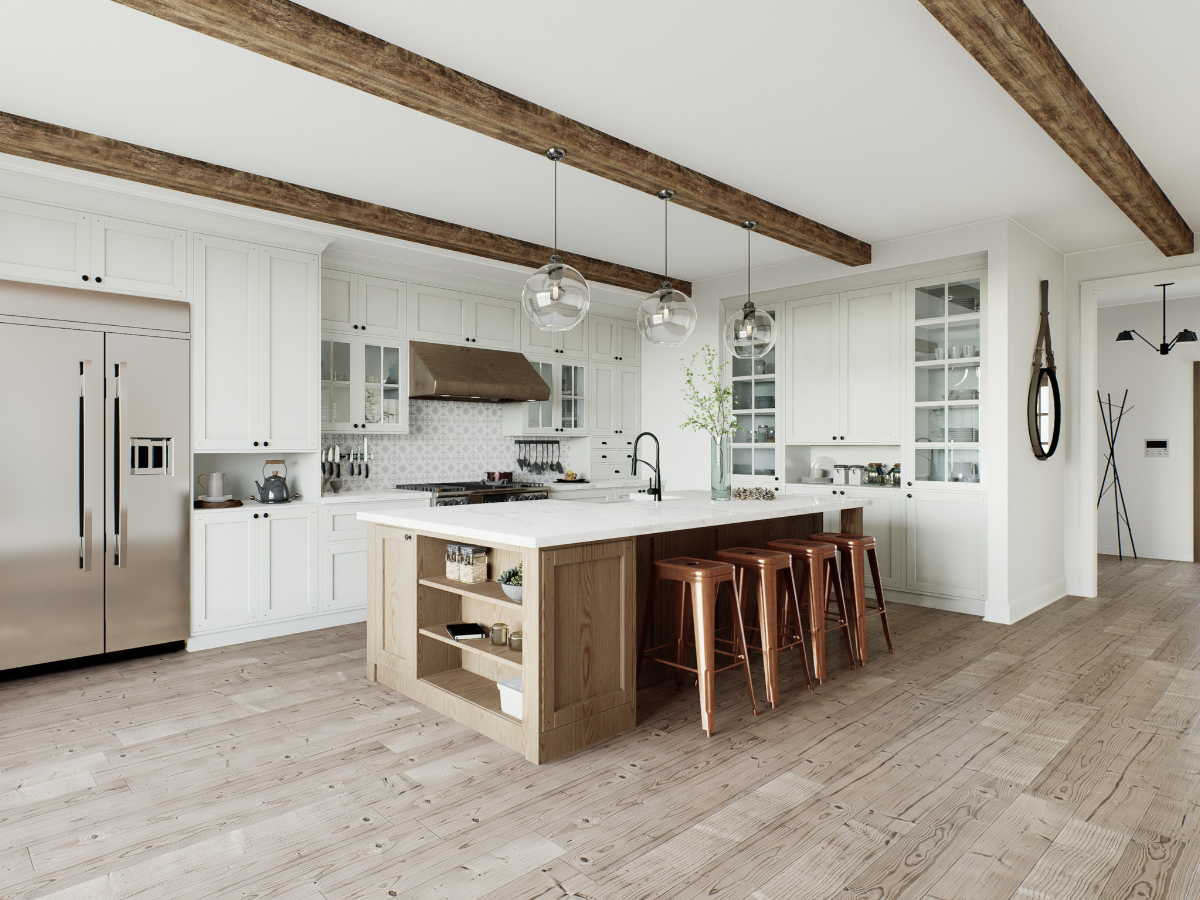
Selecting a countertop involves more than choosing a color you like. While white cabinets provide a versatile backdrop, the countertop becomes one of the most visible surfaces in the kitchen and has a significant influence on the overall design.
The best combinations for white cabinets balance appearance, practicality, and long-term satisfaction.
Before making a final decision, it is important to consider how the countertop will interact with other elements in the space, including lighting, flooring, wall colors, and daily household activities.
Taking a broader design approach can help ensure that your investment continues to look and perform well for years to come.
Design Considerations
A successful kitchen design often comes down to creating balance. Countertops should complement white cabinets while contributing to the overall character of the room. Some homeowners prefer strong contrast, while others favor a softer, more seamless appearance.
The material itself is equally important. A countertop may look beautiful in a showroom, but its maintenance requirements should align with your lifestyle. Households that cook frequently may prioritize durability and stain resistance, while others may be willing to perform additional upkeep in exchange for a specific aesthetic.
Color coordination is another factor worth considering. Countertops do not exist in isolation. They should work cohesively with flooring, backsplashes, hardware, appliances, and paint colors. When all these elements support one another, the kitchen feels more polished and intentional.
Evaluating these factors together often leads to better decisions than focusing on color alone.
What Factors Should I Consider When Choosing A Countertop Color For White Cabinets?
White cabinets can support a wide variety of countertop colors, but the right choice depends on the atmosphere you want to create. One of the first considerations is the relationship between contrast and harmony.
Dark countertops create definition and visual impact. Black, charcoal, and deep navy surfaces stand out against white cabinetry and can make the kitchen feel more dramatic and sophisticated. On the other hand, lighter colors such as white, cream, and soft gray create a brighter, more cohesive appearance.
Lifestyle should also influence your decision. Some materials and colors are more forgiving when it comes to fingerprints, crumbs, or everyday wear. Others may require more frequent cleaning or maintenance to preserve their appearance.
When evaluating different combinations for white cabinets, consider how the countertop will function in your daily routine rather than focusing solely on trends. A surface that fits your lifestyle is more likely to remain satisfying over the long term.
What Role Does Lighting Play In The Appearance Of Countertop Colors?
Lighting has a major influence on how countertop colors appear throughout the day. A color that looks perfect under showroom lighting may appear very different once installed in your home.
Natural light typically enhances brightness and can reveal subtle undertones that may not be obvious in artificial lighting. A gray countertop, for example, may appear cooler in a sunlit kitchen and warmer in a room with limited natural light.
Artificial lighting can also alter color perception. Warm-toned bulbs may add yellow or golden undertones, while cooler LED lighting can emphasize blues and grays. These shifts may seem minor, but they can significantly affect the overall appearance of a kitchen.
Because color and light work together, it is always wise to view countertop samples in the actual space where they will be installed. Examine them at different times of day and under various lighting conditions. This simple step can prevent surprises and help ensure the chosen color performs as expected.
How Can I Ensure My Countertop Color Choice Remains Timeless?
Trends come and go, but a countertop is a long-term investment. Choosing a timeless color often provides greater flexibility and helps maintain the kitchen’s appeal over time.
Neutral colors tend to have the greatest staying power. Shades such as white, gray, beige, and soft natural stone patterns have remained popular for decades because they work with a wide range of design styles.
These colors also make it easier to update décor, paint colors, or accessories without replacing major surfaces. Material selection plays a role as well.
Classic materials like marble, granite, and quartz continue to be among the most trusted combinations for white cabinets because they balance beauty with versatility. Their enduring appeal allows them to adapt to changing design preferences while maintaining their value.
Rather than chasing short-lived trends, focus on creating a cohesive palette that reflects your personal style and complements the architecture of your home. A thoughtfully chosen countertop can remain attractive and functional for many years, making it one of the most important decisions in any kitchen design project.
Mixing Materials, Trends, and Eco-Friendly Options
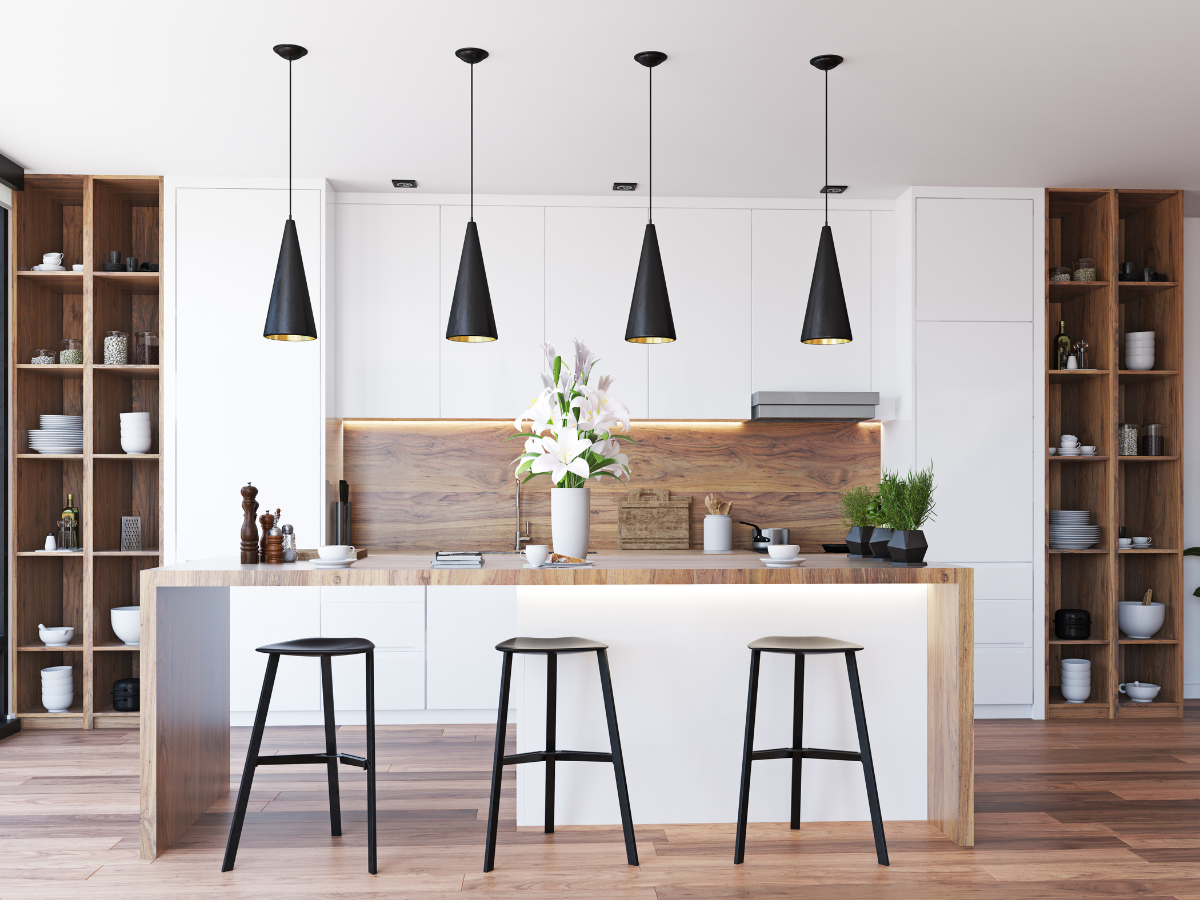
As kitchen design continues to evolve, homeowners have more flexibility than ever when selecting countertops. Today’s kitchens are no longer limited to a single material or color throughout the entire space.
Many designers are embracing mixed materials, incorporating modern color trends, and exploring sustainable alternatives that balance style with environmental responsibility.
For homeowners evaluating combinations for white cabinets, these options provide opportunities to create a kitchen that feels personalized while still maintaining a cohesive and functional design.
Can I Mix Different Countertop Materials In My Kitchen Design?
Mixing countertop materials has become increasingly popular because it allows homeowners to combine the strengths of different surfaces within the same kitchen. Rather than using one material everywhere, separate areas can be tailored to specific functions and design goals.
For example, a homeowner might choose granite for primary work surfaces where durability and heat resistance are important, while selecting quartz for a kitchen island that serves as a gathering space. This approach creates visual interest without sacrificing practicality.
Mixing materials can also help define different zones within an open-concept kitchen. A contrasting island countertop can become a focal point while perimeter countertops maintain a more understated appearance. When done thoughtfully, the result feels intentional rather than mismatched.
The key to success is maintaining consistency through color, texture, or overall design style. Even when different materials are used, they should complement one another and support the overall kitchen aesthetic.
White cabinets make this easier because their neutral appearance provides a consistent backdrop that ties multiple surfaces together.
Among modern combinations for white cabinets, mixed-material kitchens offer a creative way to introduce variety while preserving balance and cohesion.
What Are Some Trendy Countertop Colors For Modern Kitchens With White Cabinets?
White cabinets have remained popular for decades because they adapt easily to changing design trends. While classic countertop colors continue to perform well, many homeowners are also exploring bolder choices that add personality to contemporary kitchens.
Deep navy countertops have emerged as a popular option for those seeking contrast without relying on traditional black surfaces. Navy pairs beautifully with white cabinetry and can create a sophisticated, upscale appearance that feels both modern and timeless.
Charcoal gray remains another favorite. It provides depth and visual definition while offering a softer alternative to black. This versatility allows charcoal countertops to work across a variety of contemporary and transitional designs.
Some homeowners are also experimenting with jewel tones such as emerald green. When used carefully, these richer colors can create a striking focal point and bring a sense of individuality to the space. Because white cabinets are neutral, they help balance these bolder choices and prevent the kitchen from feeling overly busy.
At the same time, lighter colors continue to maintain strong appeal. Soft beige, warm white, and light gray countertops remain among the most reliable combinations for white cabinets because they create a bright, inviting atmosphere and adapt easily to future design updates.
Are There Eco-Friendly Countertop Options That Pair Well With White Cabinets?
Sustainability has become an increasingly important consideration in kitchen remodeling, and many homeowners are looking for countertop materials that align with environmentally conscious values.
Recycled glass countertops are one option that combines sustainability with visual appeal. These surfaces often feature unique patterns and colors created from repurposed materials, resulting in a distinctive appearance that works well alongside white cabinetry.
Bamboo is another eco-friendly choice. As a rapidly renewable resource, bamboo offers a warm, natural look that can soften the crisp appearance of white cabinets. Its organic texture makes it particularly appealing in contemporary, Scandinavian, and transitional kitchens.
Reclaimed wood countertops provide a similar benefit while giving existing materials a second life. Each piece carries its own character and history, adding warmth and authenticity to the space. When properly maintained, reclaimed wood can create one of the most distinctive combinations for white cabinets.
Some quartz manufacturers have also adopted more sustainable production methods, incorporating recycled content and environmentally responsible manufacturing practices. These products allow homeowners to enjoy the durability and low maintenance of quartz while supporting greener building choices.
As with any countertop material, it is important to consider durability, maintenance requirements, and daily use. The most successful eco-friendly options are those that align not only with environmental goals but also with the practical demands of the household.
Whether you’re mixing materials, embracing contemporary color trends, or prioritizing sustainability, white cabinets provide a flexible foundation that supports a wide range of design possibilities.
By balancing aesthetics, functionality, and personal preferences, homeowners can create a kitchen that remains stylish and practical for years to come.
Maintenance and Professional Installation
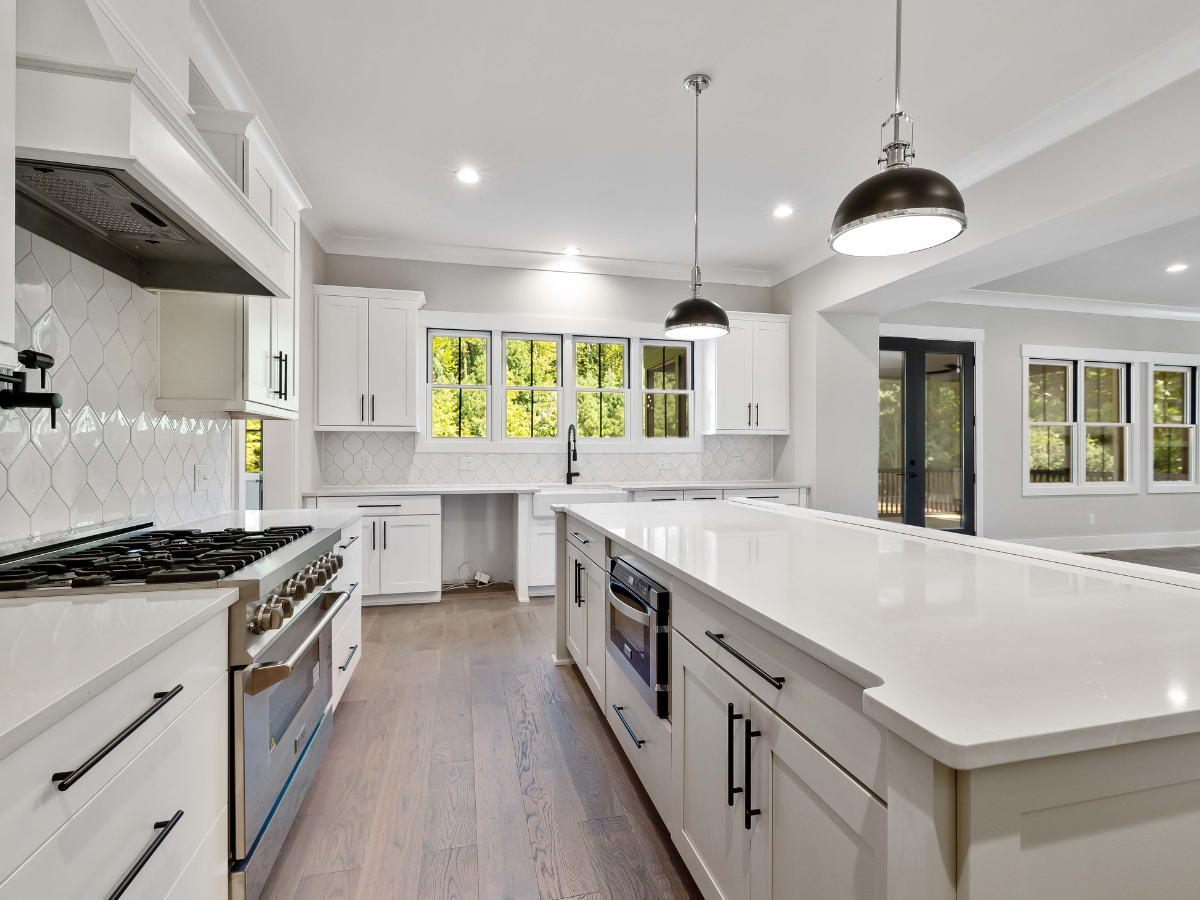
Selecting the right countertop is only part of the decision-making process. Long-term satisfaction also depends on how well the material fits your lifestyle and whether it is installed correctly.
Even the most attractive combinations for white cabinets can lose their appeal if the countertop becomes difficult to maintain or develops issues due to improper installation.
Understanding maintenance requirements and the value of professional guidance can help homeowners protect their investment while ensuring their kitchen performs as beautifully as it looks.
How Do I Maintain Different Countertop Materials With White Cabinets?
Each countertop material has its own maintenance needs, and understanding those requirements before making a selection can help prevent surprises later.
Granite is known for its durability, but it typically benefits from periodic sealing to help protect against stains and moisture penetration. With proper care, granite can maintain its appearance for many years, even in busy kitchens.
Quartz is often considered one of the easiest materials to maintain. Because it is non-porous, it resists staining and generally requires only routine cleaning with mild soap and water. This makes it a popular choice for homeowners who want a low-maintenance surface without sacrificing style.
Marble offers timeless beauty but requires more attention than most alternatives. Its porous nature makes it more susceptible to staining and etching, particularly when exposed to acidic foods and beverages. Regular cleaning and protective measures help preserve its appearance.
Wood countertops bring warmth and character to a kitchen, but they require ongoing care to protect against moisture and wear. Periodic sealing and prompt cleanup of spills are important for maintaining the surface and extending its lifespan.
When evaluating different combinations for white cabinets, maintenance should be considered alongside appearance. A countertop that fits your daily habits will often provide greater long-term satisfaction than one selected solely for its visual appeal.
Why Choose Professional Consultation For Selecting Countertop Colors With White Cabinets?
With so many materials, colors, and finishes available, choosing the right countertop can feel overwhelming. Professional consultation helps simplify the process by providing guidance tailored to the specific needs of the project.
Design professionals can evaluate how countertop colors interact with white cabinetry, flooring, wall colors, lighting, and other design elements. Their experience often helps homeowners avoid combinations that may look appealing in isolation but feel unbalanced once installed.
Consultants can also provide valuable insight into practical considerations such as durability, maintenance requirements, and budget. A countertop that works well for one household may not be the best choice for another, depending on cooking habits, family size, and long-term goals.
Another benefit of professional guidance is the ability to view materials within the context of the actual space. Samples can appear dramatically different under showroom lighting than they do in a home’s natural and artificial lighting conditions.
Expert input can help ensure the final selection performs well in the real environment.
How Does Expert Material Selection Improve Kitchen Remodeling Outcomes?
Successful kitchen remodels are built on decisions that balance aesthetics and functionality. While homeowners often focus on appearance first, experienced professionals understand how material performance influences long-term results.
Experts evaluate factors such as durability, stain resistance, maintenance needs, and compatibility with the intended use of the space. For example, a family that cooks daily may benefit from a different surface than someone who uses the kitchen primarily for entertaining.
Professionals also consider how materials interact with one another. Countertops, backsplashes, flooring, cabinetry, and hardware should work together to create a cohesive design. Thoughtful material selection helps avoid visual conflicts and contributes to a more polished final result.
In many cases, professional recommendations can also help homeowners identify alternatives that achieve a similar look while offering better performance or lower maintenance requirements.
What Are The Benefits Of Professional Countertop Installation Services?
Even the highest-quality countertop can experience problems if it is not installed properly. Professional installation helps ensure that materials perform as intended and maintain their appearance over time.
Experienced installers understand how to handle different countertop materials safely and accurately. Precise measurements, proper support systems, and careful fitting are essential for achieving a seamless finished product. Small installation errors can lead to visible gaps, uneven surfaces, or long-term structural issues.
Professional installation also helps protect the investment itself. Countertop materials can be expensive, and mistakes made during installation may result in costly repairs or replacements. Skilled installers reduce these risks by following manufacturer recommendations and industry best practices.
Beyond technical expertise, professional installation often results in a cleaner and more refined final appearance. Details such as seam placement, edge finishing, and alignment can significantly influence the overall look of the kitchen.
Whether choosing granite, quartz, marble, or wood, proper maintenance and expert installation play an important role in the success of any kitchen remodel.
Combined with thoughtfully selected combinations for white cabinets, these factors help create a kitchen that remains beautiful, functional, and durable for years to come.
Conclusion
White cabinets provide a timeless foundation for countless kitchen designs, and choosing the right countertop can help bring the entire space together.
Whether you prefer a bright and modern aesthetic, a warm and inviting feel, or a bold contrast that makes a statement, the right countertop combination can enhance both the beauty and functionality of your kitchen.
Thoughtful material and color selections can also add long-term value to your home while reflecting your personal style.
For expert kitchen remodeling and design services, choose Kitchen and Bath by Zeus. If you’re ready to transform your kitchen with a custom design, call 404-602-2668 to speak with the team at Kitchen and Bath by Zeus or fill out the online form to request your free consultation for property owners today.