

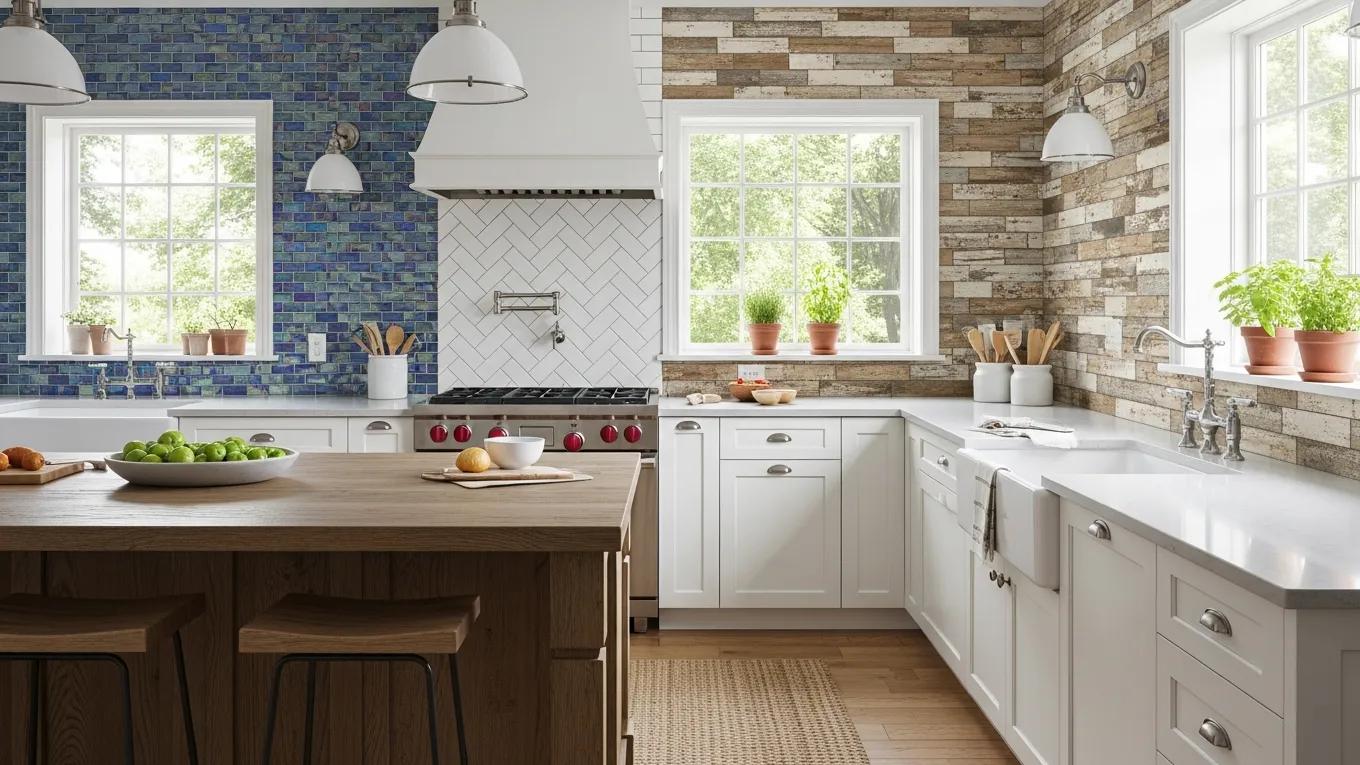
A kitchen makeover doesn’t have to come with a luxury price tag. One of the easiest ways to transform the look of your space is by updating the backsplash, adding color, texture, and personality without the cost of a full renovation.
With so many budget-friendly materials available, it’s possible to create a high-end look while staying within your budget.
Affordable backsplash tile options offer a wide range of styles, from timeless subway tiles and classic ceramics to modern mosaics and durable porcelain designs. The right choice can protect your walls, complement your countertops, and elevate the overall feel of your kitchen.
This guide explores cost-effective backsplash ideas that combine style, practicality, and long-lasting value to help you achieve a stunning kitchen for less.
Affordable Backsplash Tile Designs That Transform Kitchens
Affordable Backsplash Tile Options
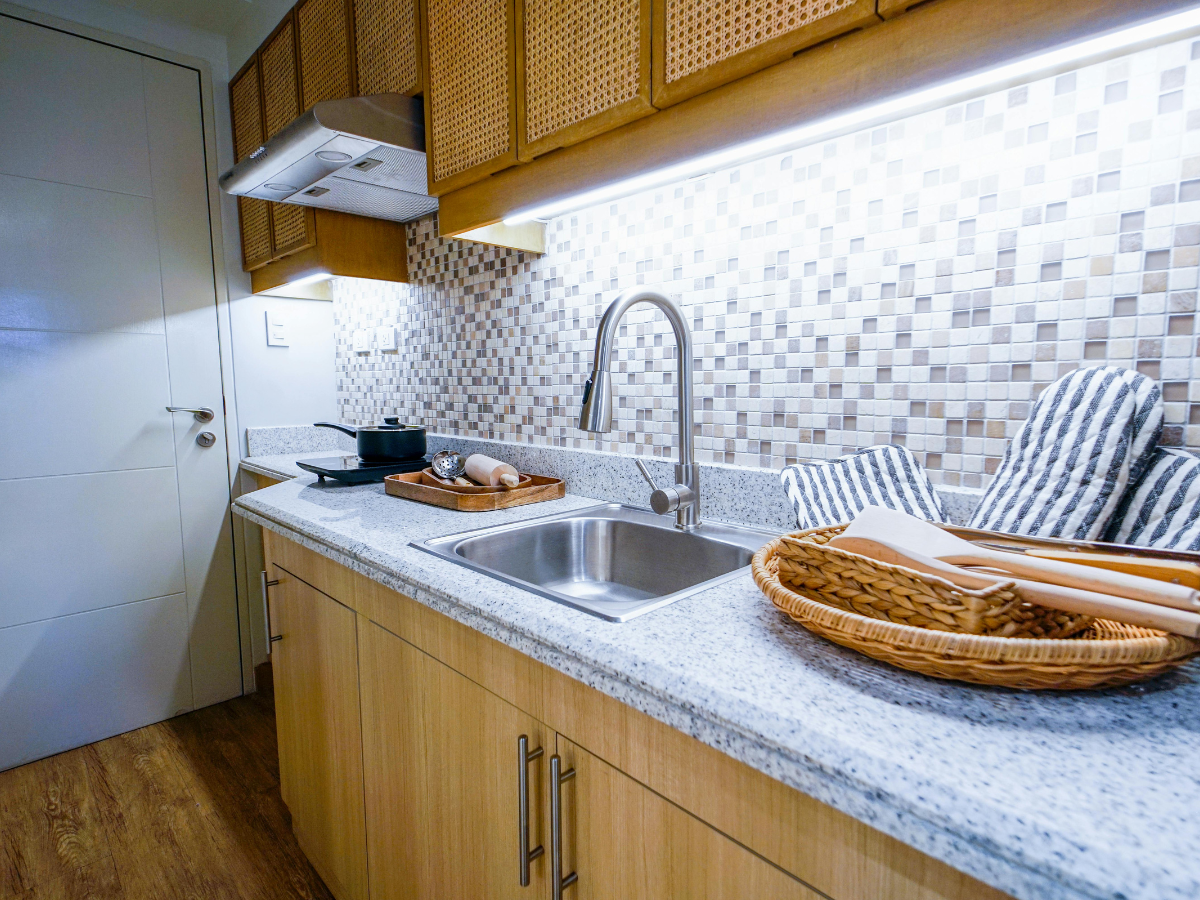
Finding affordable backsplash tile doesn’t mean settling for a plain or outdated kitchen. Many budget-friendly materials offer the same visual appeal as premium options while remaining durable enough for everyday use.
The best choice depends on your design style, maintenance preferences, and whether you’re planning a long-term renovation or a quick refresh. Ceramic tile remains one of the most popular options because it combines affordability with versatility.
Available in countless colors, sizes, and patterns, ceramic works well in everything from traditional kitchens to modern spaces. It’s also moisture-resistant, easy to clean, and durable enough to handle daily cooking and cleaning.
Glass tile is another attractive option if you want to brighten your kitchen. Its reflective surface helps bounce light around the room, making smaller kitchens feel more open.
While some premium glass products can be expensive, many affordable backsplash tile collections include glass mosaics that provide a stylish look without stretching your budget.
For homeowners or renters looking for a simple weekend project, peel-and-stick tiles offer an easy alternative. These self-adhesive panels are designed for straightforward installation with minimal tools, making them ideal for temporary updates or DIY renovations.
Although they may not last as long as traditional tile, they can dramatically improve the appearance of a kitchen at a relatively low cost. If your style leans toward farmhouse or rustic design, a reclaimed wood backsplash can introduce warmth and texture that tile alone cannot replicate.
While wood requires occasional sealing to protect it from moisture and cooking splatters, many homeowners appreciate the natural character and unique appearance it brings to the space.
When comparing affordable backsplash tile options, think beyond the initial purchase price. Installation costs, long-term maintenance, and expected lifespan all contribute to the overall value.
A material that’s slightly more expensive upfront may require less maintenance and last significantly longer, making it a better investment over time.
By comparing appearance, durability, maintenance requirements, and installation complexity, you can confidently choose affordable backsplash tile that complements your kitchen while staying within your renovation budget.
Planning a Budget-Friendly Backsplash Project
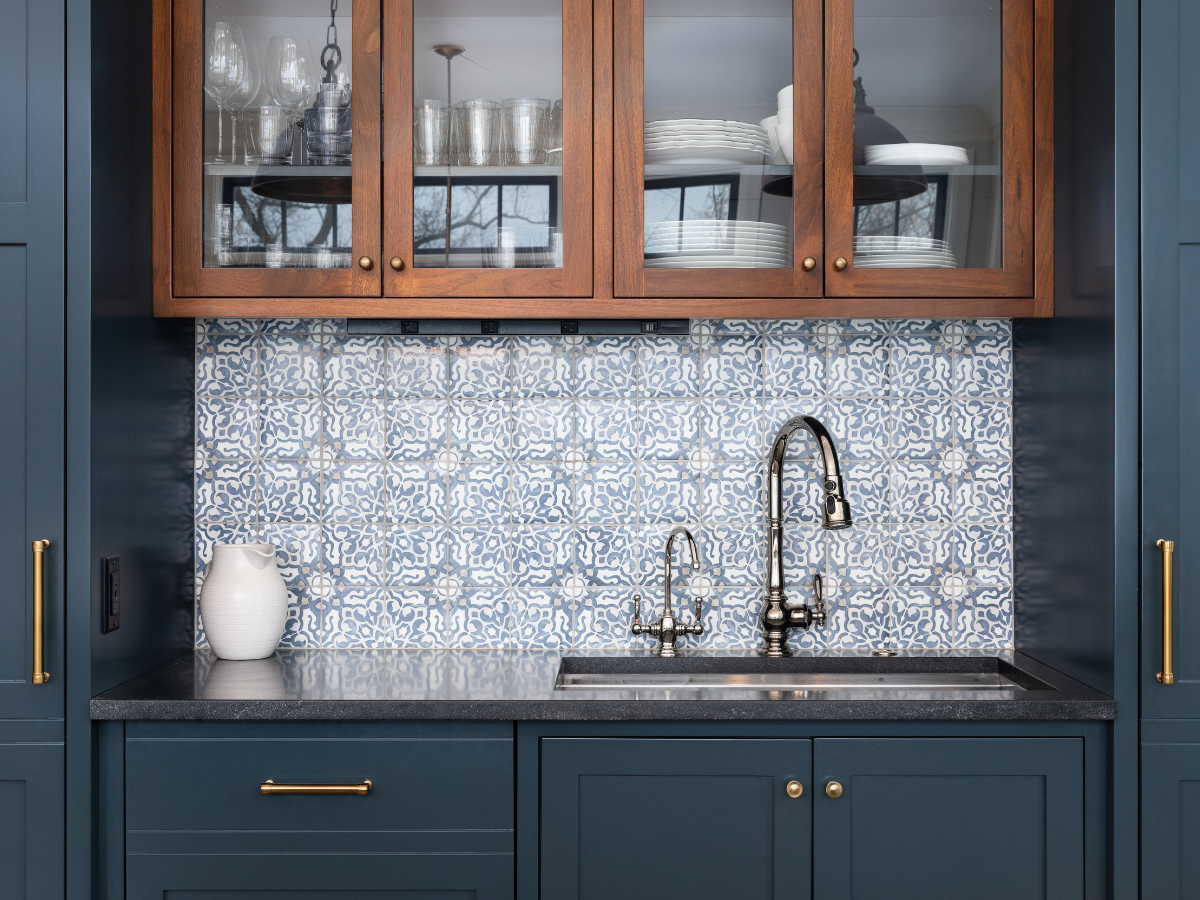
Installing affordable backsplash tile doesn’t have to be expensive if you take time to plan the project carefully. A realistic budget, the right materials, and thoughtful design choices can help you create an attractive kitchen without overspending.
Whether you’re completing a full renovation or simply updating your backsplash, understanding where your money goes makes it easier to maximize value while avoiding unnecessary expenses.
How Much Does Tile Backsplash Installation Cost?
The cost of installing affordable backsplash tile depends on several factors, including the type of tile you choose, the size of the backsplash, and whether you hire a professional or complete the installation yourself.
Ceramic tile is generally the most budget-friendly option, while glass, natural stone, and specialty mosaics tend to cost more due to both material prices and installation requirements.
It’s also important to budget for more than just the tile itself. Adhesive, grout, trim pieces, spacers, sealant, and any tools needed for installation all contribute to the final project cost. If you’re replacing an existing backsplash, demolition and wall preparation may also add to the overall expense.
What Factors Influence Installation Pricing?
Several factors determine how much you’ll ultimately spend on your backsplash project. The material you select has one of the biggest impacts on pricing.
Ceramic and porcelain tiles are typically less expensive to purchase and install, while glass tiles, natural stone, and handcrafted designs usually require more careful handling and specialized installation techniques.
Labor is another major consideration. Professional installation increases the overall investment but often results in a cleaner finish, especially for kitchens with numerous electrical outlets, corners, or decorative patterns.
Homeowners with basic DIY experience can often save money by installing simple subway tiles or peel-and-stick products themselves.
Design complexity also affects installation costs. Straight layouts are generally quicker to complete than herringbone, chevron, or mosaic patterns, which require additional cutting, planning, and precision.
Larger kitchens naturally require more materials and labor, while walls that need repairs or leveling before installation can increase costs as well.
How to Budget for Affordable Kitchen Backsplash Projects?
Creating a realistic budget begins with understanding the full scope of the project rather than focusing solely on the price per square foot.
Affordable backsplash tile is available in a wide range of styles and price points, so establishing a maximum spending limit before shopping helps narrow your options and prevents impulse purchases.
Measure the backsplash area carefully and consider ordering about 10 percent more tile than your calculations require. The extra material accounts for cuts, accidental breakage, and future repairs, ensuring you have matching tiles available if one ever becomes damaged.
It’s also helpful to separate your budget into categories for materials, labor, and unexpected expenses. Comparing quotes from multiple suppliers and installers gives you a better understanding of local pricing and may reveal opportunities to save without sacrificing quality.
Seasonal promotions and clearance sales can also make premium-looking tiles much more affordable.
If you’re considering a DIY installation, be realistic about your skill level. Simple layouts are often manageable for experienced homeowners, but intricate patterns or natural stone installations may be worth leaving to a professional to avoid costly mistakes.
Finally, set aside a small contingency fund for unexpected expenses, such as additional adhesive, replacement tiles, or minor wall repairs discovered during installation.
By planning ahead and understanding both material and labor costs, you can choose affordable backsplash tile that complements your kitchen, fits your design goals, and stays comfortably within your renovation budget.
Choosing the Right Design
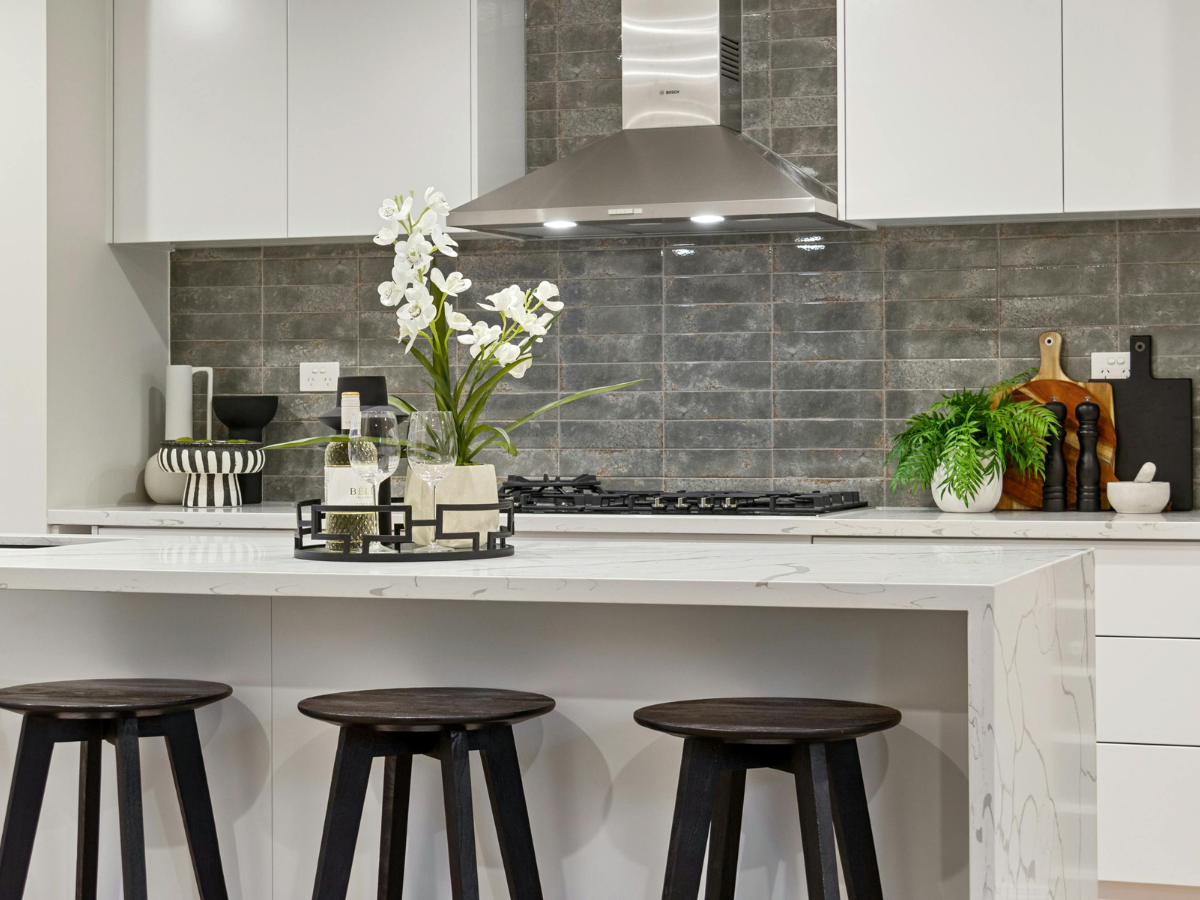
Choosing affordable backsplash tile is about more than finding a style you like. The backsplash should work with the rest of the kitchen to create a balanced, cohesive look that will remain appealing for years to come.
Before selecting a tile, consider how it complements your cabinetry, countertops, flooring, and overall design style. A well-coordinated backsplash can elevate the entire room without requiring a large renovation budget.
Color is often the best place to start. Neutral tiles create a timeless backdrop that pairs well with most cabinet finishes, while bolder colors or patterned tiles can add personality and become a focal point.
Texture also plays an important role. Mixing smooth countertops with textured tile, or vice versa, creates visual interest without making the space feel cluttered.
Practicality should be part of the decision as well. Since the backsplash sits behind sinks and cooking areas, choose materials that are easy to clean and resistant to stains and moisture.
Accurate measurements are equally important. Measuring carefully before ordering affordable backsplash tile helps reduce waste, prevents shortages, and keeps your project on budget.
Expert Guidance
If you’re unsure which design direction to take, gathering inspiration before making a purchase can save both time and money. Looking at completed kitchens with layouts similar to yours makes it easier to visualize how different colors, patterns, and materials will look in your own space.
Many homeowners also benefit from bringing home tile samples before making a final decision. Viewing samples under your kitchen’s natural and artificial lighting often reveals differences in color and finish that aren’t obvious in a showroom.
Comparing samples against your cabinets, countertops, and paint colors helps ensure every element works together before installation begins.
What Are the Latest Kitchen Backsplash Design Trends for 2026?
Current kitchen design trends continue to balance style with practicality. Bold geometric patterns remain popular for homeowners who want to make the backsplash a standout feature, while oversized subway tiles and vertically stacked layouts offer a fresh take on a classic design.
Natural materials and earthy color palettes are also gaining popularity. Stone-inspired porcelain, warm neutrals, and wood-look accents create a welcoming atmosphere while maintaining a timeless appearance.
At the same time, many homeowners are choosing sustainable products, including recycled glass tiles and environmentally conscious manufacturing materials, to support greener remodeling projects.
While following trends can provide inspiration, it’s often best to choose affordable backsplash tile that complements your home’s overall style rather than selecting a design solely because it’s currently popular. A timeless backsplash is more likely to remain attractive as design preferences evolve.
How to Combine Backsplash Tiles with Custom Cabinetry and Countertops?
Creating a cohesive kitchen design starts with establishing visual balance. If your countertops feature bold veining or dramatic patterns, a simpler backsplash allows those surfaces to remain the focal point.
Conversely, if your cabinetry and countertops are relatively understated, patterned or textured tile can introduce character without overwhelming the space.
Color coordination is equally important. Matching undertones between cabinetry, countertops, and affordable backsplash tile creates a more polished appearance, even when the materials themselves are different. Rather than trying to match everything perfectly, aim for complementary shades that tie the room together naturally.
Finally, let one design element take center stage while the others play supporting roles. Whether it’s the cabinetry, countertops, or backsplash, giving one material visual prominence helps create a kitchen that feels intentional, balanced, and inviting while making the most of your renovation budget.
Installation Tips and Best Practices
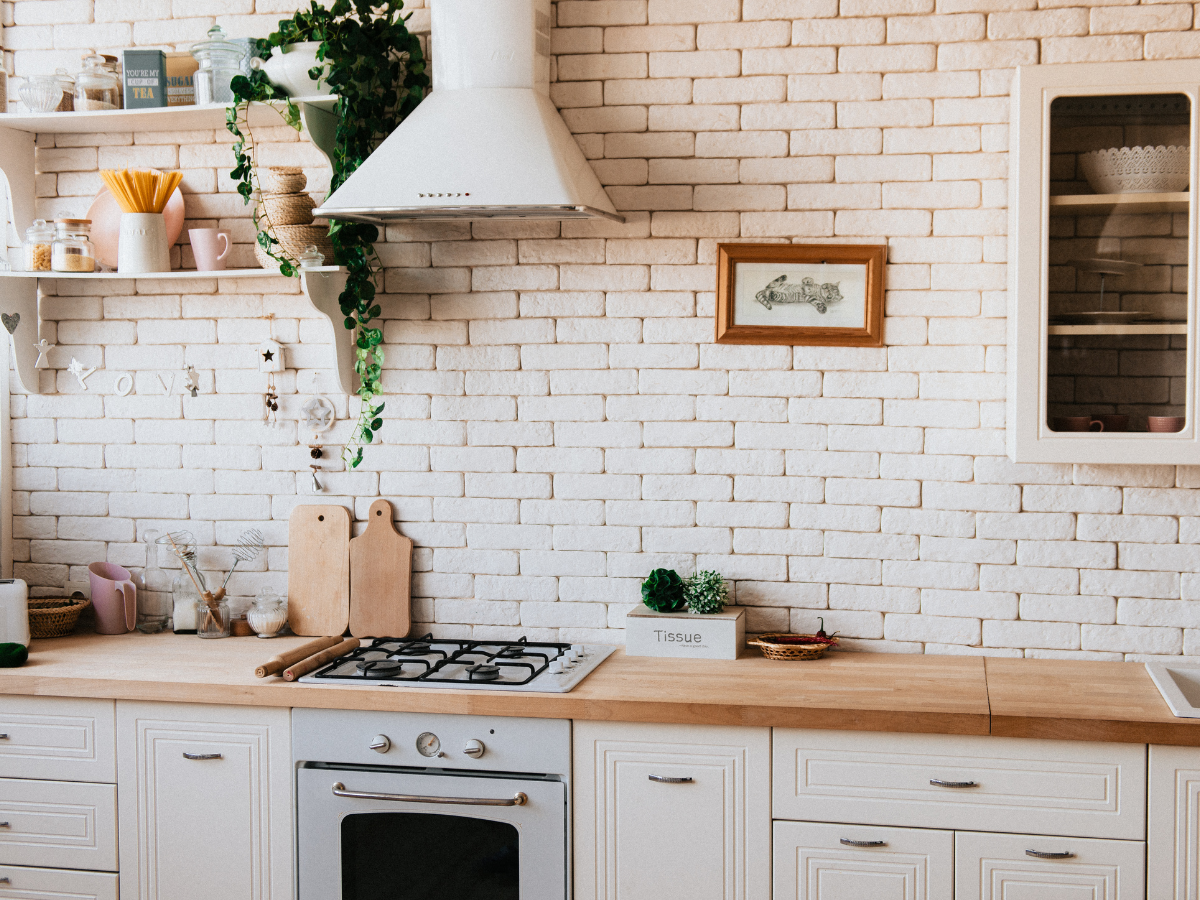
Installing affordable backsplash tile correctly is just as important as choosing the right material. Even high-quality tile can develop issues if it’s installed on an uneven surface or with the wrong products.
Taking time to prepare the wall and follow proper installation techniques helps create a backsplash that looks professional and stands up to years of daily use.
Before you begin, inspect the wall carefully. It should be clean, dry, and free of grease, peeling paint, or loose debris. Fill any holes or cracks, and sand rough areas if needed to create a smooth, stable surface. Proper preparation gives the adhesive a stronger bond and helps prevent tiles from loosening over time.
Once the wall is ready, plan the layout before applying any adhesive. Dry-fitting your affordable backsplash tile allows you to check spacing, identify where cuts will be needed, and avoid ending up with small, awkward pieces along the edges.
Spending a few extra minutes on this step can make a big difference in the finished appearance.
For the best results, follow these installation practices:
- Clean and prepare the wall so the surface is smooth and free of dust or grease.
- Measure the installation area carefully and dry-fit the tiles to confirm the layout.
- Use the adhesive recommended for your specific tile material.
- Install tiles with spacers to maintain consistent grout lines and keep the pattern aligned.
- Allow the adhesive to cure fully before applying grout.
- Remove excess grout promptly and apply a sealant if your tile or grout requires one.
Choosing the right installation materials is just as important as the tile itself. Ceramic, porcelain, glass, and natural stone products often require different adhesives or grout formulations.
Following the manufacturer’s recommendations helps ensure a secure installation while reducing the risk of cracking, discoloration, or moisture-related problems.
If you’re planning a simple subway tile layout, installing affordable backsplash tile can be a manageable DIY project for homeowners with basic renovation experience.
However, more intricate patterns such as herringbone or mosaic designs require greater precision. Natural stone installations may also involve sealing and specialized cutting tools, making professional installation a worthwhile investment.
A professional installer can also help if your kitchen includes numerous electrical outlets, uneven walls, or detailed trim work. Their experience often results in cleaner grout lines, better alignment, and less material waste, while some contractors also provide workmanship warranties for added peace of mind.
Whether you choose to install the backsplash yourself or hire a professional, careful preparation and quality workmanship are the keys to long-lasting results. With the proper techniques and materials, affordable backsplash tile can provide a durable, attractive finish that enhances your kitchen for years to come.
How Can Homeowners Maintain and Care for Affordable Backsplash Tiles?
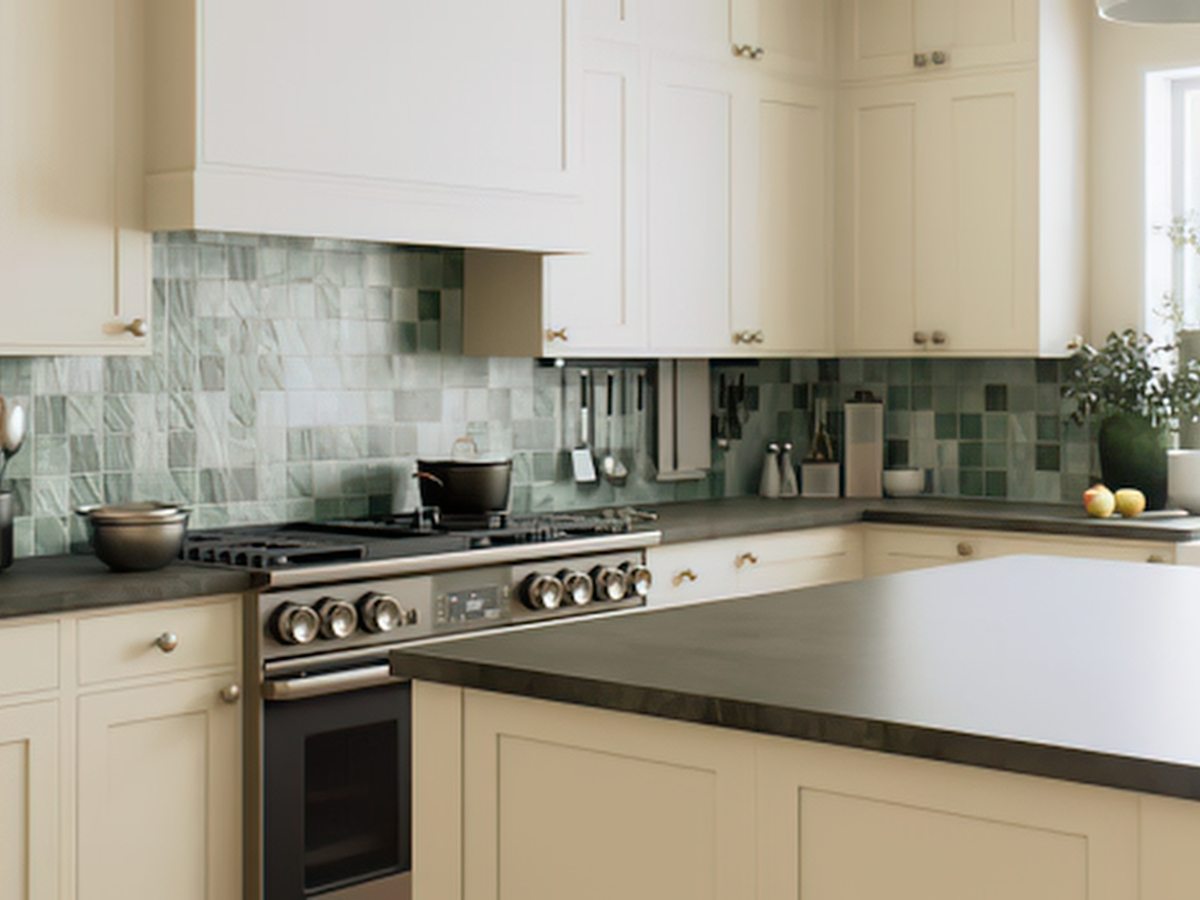
One of the biggest advantages of choosing affordable backsplash tile is that it requires very little day-to-day maintenance.
With regular cleaning and a few preventative habits, most backsplash materials can retain their appearance for many years without extensive upkeep. Establishing a simple care routine also helps protect your investment and keeps your kitchen looking fresh.
For most tile surfaces, wiping away cooking splatters and moisture with a soft cloth and a mild household cleaner is all that’s needed. Cleaning the backsplash regularly prevents grease, soap residue, and food particles from building up, making future cleaning much easier.
If your backsplash includes natural stone or another porous material, follow the manufacturer’s recommendations for sealing to help protect against moisture and stains.
What Are the Best Practices for Tile Cleaning and Durability?
Keeping your backsplash in excellent condition starts with using the right cleaning methods. Harsh chemicals, abrasive scrubbers, and steel wool can scratch certain tile finishes or weaken grout over time. Instead, choose non-abrasive cleaners that are appropriate for your specific tile material.
It’s also helpful to clean spills as they happen rather than letting them dry on the surface. Ingredients such as tomato sauce, coffee, cooking oils, and wine can leave stains on some materials if they sit for extended periods. Paying a little attention after meal preparation can prevent stubborn buildup later.
Grout deserves regular attention as well. Because grout lines are naturally more porous than tile, they can collect dirt and grease over time. Periodic cleaning with a soft brush helps maintain their appearance, while resealing grout when recommended can reduce staining and extend its lifespan.
In addition to routine cleaning, inspect your backsplash occasionally for loose grout, cracked caulk, or damaged tiles. Addressing these small issues early helps prevent moisture from reaching the wall behind the tile, reducing the likelihood of more expensive repairs in the future.
When to Schedule Professional Consultations for Tile Maintenance?
Although most homeowners can handle routine care themselves, there are times when professional maintenance is worth considering. If grout has become deeply stained despite regular cleaning, professional cleaning services can often restore its appearance using specialized equipment and products.
Professional repairs are also recommended if tiles become chipped, cracked, or loose. Replacing damaged sections correctly helps maintain a consistent appearance and prevents moisture from spreading behind the backsplash.
Matching grout color and tile alignment can be difficult without experience, particularly if the installation includes decorative patterns or specialty materials.
For natural stone backsplashes, periodic professional sealing or restoration may also help preserve the finish and extend the life of the material. An experienced installer can evaluate whether the backsplash needs resealing, grout repairs, or minor maintenance before small issues become larger ones.
With consistent care and occasional inspections, affordable backsplash tile can remain an attractive feature in your kitchen for many years. A few simple maintenance habits not only preserve its appearance but also help protect the durability and value of your investment over the long term.
Frequently Asked Questions
What Are the Most Common Mistakes to Avoid When Installing a Backsplash?
One of the biggest installation mistakes is skipping proper wall preparation. Tiles adhere best to a clean, dry, and level surface, so repairing imperfections before installation is essential.
Other common issues include inaccurate measurements, using the wrong adhesive, uneven grout lines, and rushing the curing process. If you’re installing affordable backsplash tile yourself, taking time to plan the layout and dry-fit the tiles before applying adhesive can help you achieve a more professional-looking result.
How Can I Choose the Right Color for My Backsplash?
Start by considering the colors of your cabinets, countertops, flooring, and wall paint. A backsplash should complement these existing elements rather than compete with them.
Neutral shades create a timeless look, while bold colors or patterned affordable backsplash tile can add personality and become a focal point. Bringing home tile samples and viewing them under your kitchen’s natural and artificial lighting can help you make a more confident decision.
Are There Eco-Friendly Backsplash Options Available?
Yes. Many manufacturers now offer environmentally friendly backsplash materials made from recycled glass, reclaimed materials, or sustainably sourced ceramic products.
Choosing durable materials that last for many years also reduces waste over time. If sustainability is important to you, look for products with low VOC emissions or certifications that indicate responsible manufacturing practices.
What Tools Do I Need for a DIY Backsplash Installation?
The tools you need depend on the type of tile you’re installing, but most DIY projects require a tape measure, level, tile cutter or wet saw, notched trowel, spacers, grout float, sponge, and caulk gun.
Safety equipment such as gloves and eye protection is also recommended. Having the proper tools before you begin makes installing affordable backsplash tile much easier and helps produce cleaner, more consistent results.
How Can I Enhance the Lighting Around My Backsplash?
Good lighting can make a backsplash stand out while improving the functionality of your kitchen. Under-cabinet LED lighting is one of the most popular options because it illuminates the workspace and highlights the texture, color, and finish of the tile.
Reflective materials such as glass tile can also help brighten smaller kitchens by bouncing light throughout the space.
What Maintenance Is Required for Different Types of Backsplash Materials?
Most ceramic, porcelain, and glass backsplashes only require regular wiping with a soft cloth and a mild, non-abrasive cleaner. Natural stone typically requires periodic sealing to protect against stains and moisture.
Regardless of the material, cleaning spills promptly and maintaining grout lines will help preserve the appearance and durability of your backsplash for years to come.
Can I Mix Different Backsplash Materials in My Kitchen Design?
Absolutely. Combining materials can create a custom look when done thoughtfully. For example, you might pair ceramic subway tile with a glass mosaic accent behind the range or combine stone and porcelain for added texture.
The key is maintaining a consistent color palette and allowing one material to be the primary feature while the others serve as accents. This approach creates visual interest without making the kitchen feel overly busy.
Conclusion
An affordable backsplash can make a dramatic difference in the look and feel of your kitchen without requiring a complete renovation. With so many colors, materials, and patterns available, it’s possible to create a stylish, functional space that fits both your design vision and your budget.
Whether you’re making a simple update or planning a full kitchen remodel, choosing the right backsplash is an investment that can enhance your home’s beauty and value.
For expert kitchen remodeling and design services, choose Kitchen and Bath by Zeus. If you’re ready to transform your kitchen with a beautiful new backsplash, call 404-602-2668 to speak with the team at Kitchen and Bath by Zeus or fill out the online form to request your free consultation for property owners today.