

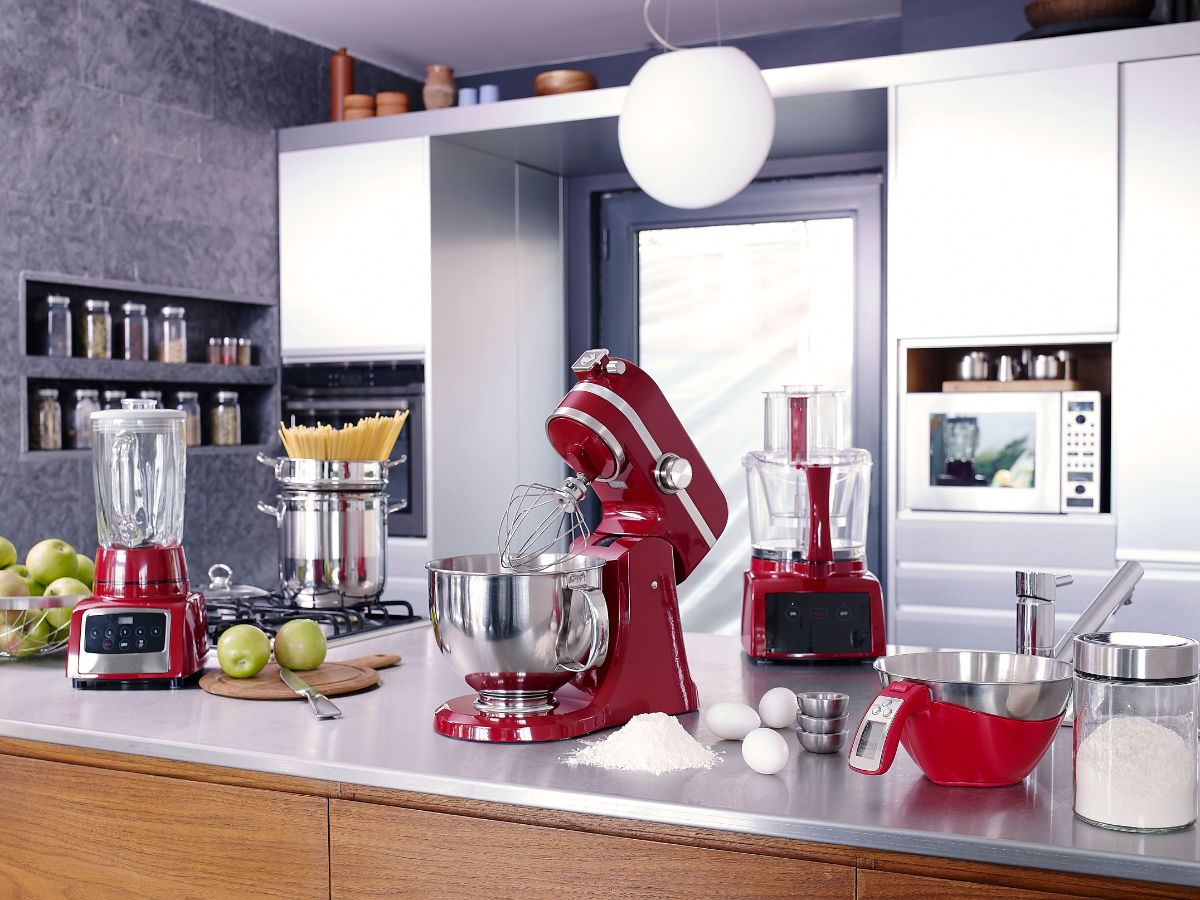
Modern kitchens use more power than many homeowners realize. Between refrigerators, dishwashers, ovens, and small appliances running throughout the day, energy use can add up quickly. Choosing more efficient equipment is one of the easiest ways to reduce utility costs without sacrificing performance or convenience.
The best energy saving appliances for modern kitchens are designed to use less electricity and water while still delivering reliable results. Features like smart sensors, efficient motors, and improved insulation help appliances operate more effectively with less waste.
With the right upgrades, you can create a kitchen that supports lower energy consumption, reduces long-term operating costs, and fits seamlessly into a modern lifestyle.
Energy Saving Appliances Worth Adding to Modern Kitchens
How Energy Saving Appliances Improve Efficiency And Reduce Costs
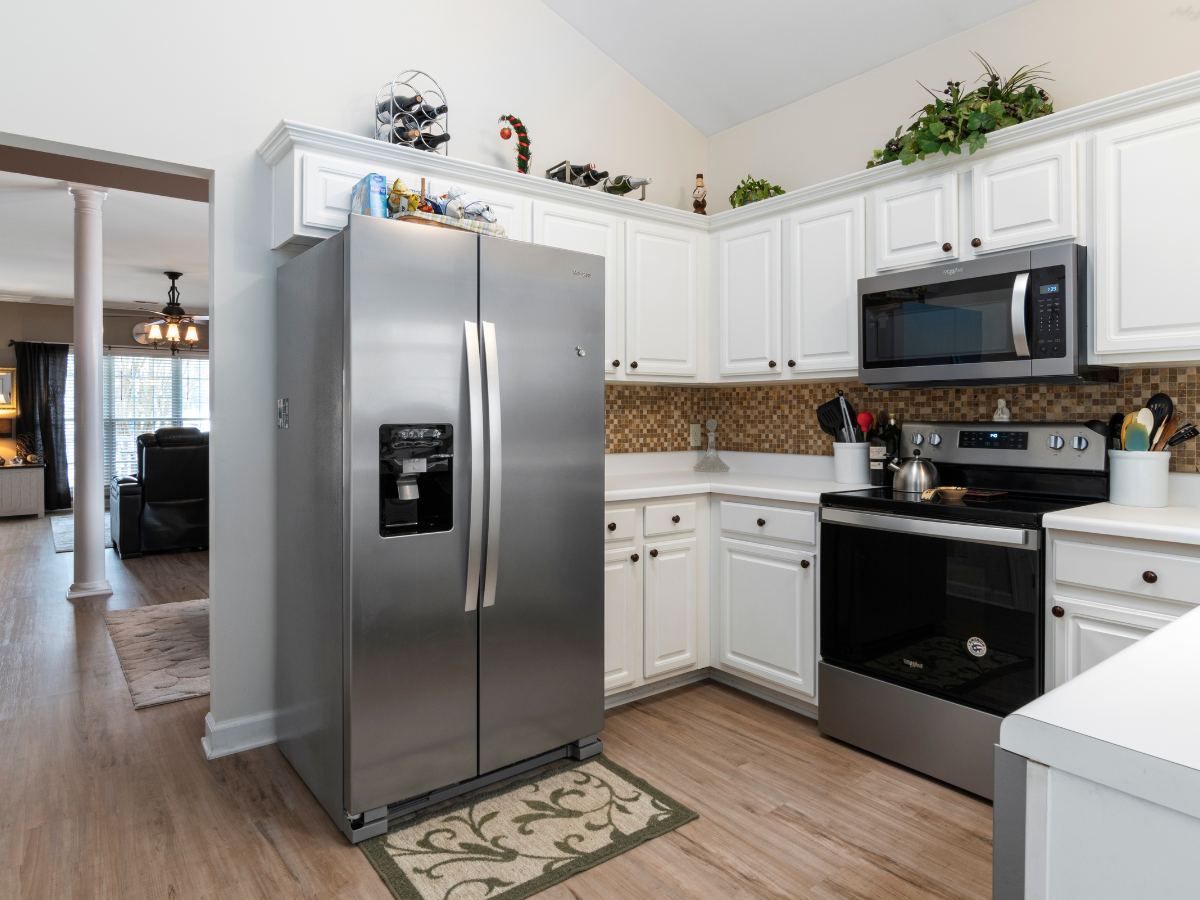
Energy-efficient appliances are designed to perform everyday household tasks while using less electricity or water than older, less efficient models.
Over time, these appliances can help homeowners lower utility costs, reduce unnecessary energy waste, and create a more sustainable home without sacrificing convenience or performance.
Modern energy saving appliances have improved significantly in recent years. Many now include smart sensors, optimized motors, and advanced insulation that allow them to run more efficiently while still handling heavy daily use.
From refrigerators to dishwashers and cooktops, there are now efficient options available for nearly every part of the kitchen.
How Modern Appliances Improve Efficiency
One of the biggest differences between traditional appliances and newer energy-efficient models is how they manage power consumption. Older appliances often run at full capacity regardless of demand, while newer systems adjust output based on actual usage.
For example, Energy Star-certified refrigerators use upgraded compressors and improved insulation to maintain consistent temperatures without using excess electricity. This helps keep food fresh while reducing the amount of energy needed throughout the day.
Induction cooktops have also become increasingly popular because they heat cookware directly instead of heating the surrounding surface first. As a result, cooking tends to be faster, more responsive, and more energy efficient overall.
Dishwashers have seen similar improvements. Many modern units use targeted spray systems and eco-friendly wash cycles that reduce both water and electricity consumption without compromising cleaning performance.
What Are The Benefits of Energy-Efficient Kitchen Appliances?
The most immediate benefit of energy saving appliances is lower monthly utility bills. Appliances that consume less power naturally reduce household operating costs, especially when used consistently over many years.
However, the advantages extend beyond financial savings. Efficient appliances also reduce overall energy demand, which can help decrease greenhouse gas emissions and lessen environmental impact over time.
Many homeowners also notice performance improvements. Modern refrigerators often maintain more stable temperatures, induction cooktops provide precise heat control, and newer dishwashers tend to operate more quietly than older models.
In many cases, upgrading to energy-efficient appliances improves both functionality and comfort inside the home.
How Energy Saving Appliances Reduce Utility Costs
Lower utility costs come from a combination of smarter technology and reduced resource consumption. Energy-efficient appliances are built to minimize wasted energy during operation, whether through shorter cycle times, lower standby power usage, or improved heat retention.
For instance, an older refrigerator may run constantly to maintain temperature, while a newer Energy Star model cycles more efficiently and loses less cooled air. The same principle applies to dishwashers that use less hot water and washing machines that optimize water levels automatically.
These reductions may seem small day to day, but the savings add up over the lifespan of the appliance. Households that replace several outdated appliances often notice a measurable decrease in monthly energy bills within the first year.
Why Certifications Matter When Comparing Appliances
Shopping for appliances can feel overwhelming because so many models advertise efficiency claims. Certifications such as Energy Star help simplify the process by providing standardized performance benchmarks.
Products that earn Energy Star certification must meet specific efficiency requirements established through testing and regulatory guidelines. This gives consumers a clearer way to compare models and estimate long-term operating costs.
Research also supports the impact of these programs on consumer decision-making. Studies examining Energy Star refrigerators have shown that rebate programs and efficiency labeling can influence purchasing behavior and encourage wider adoption of energy-saving technologies.
Choosing The Right Appliances For Long-Term Value
While energy-efficient models sometimes cost more upfront, the long-term savings often offset the initial investment. Homeowners should consider factors such as energy usage, household size, maintenance needs, and expected lifespan when comparing options.
For example, a larger family may benefit more from a high-efficiency dishwasher or refrigerator because of frequent daily use, while smaller households may prioritize compact appliances with lower operating costs.
Ultimately, the best energy saving appliances are the ones that balance efficiency, reliability, and everyday practicality. Choosing well-designed appliances not only reduces utility expenses but also creates a more comfortable and environmentally responsible home over time.
How Innovative Technologies Are Changing Energy-Efficient Appliances
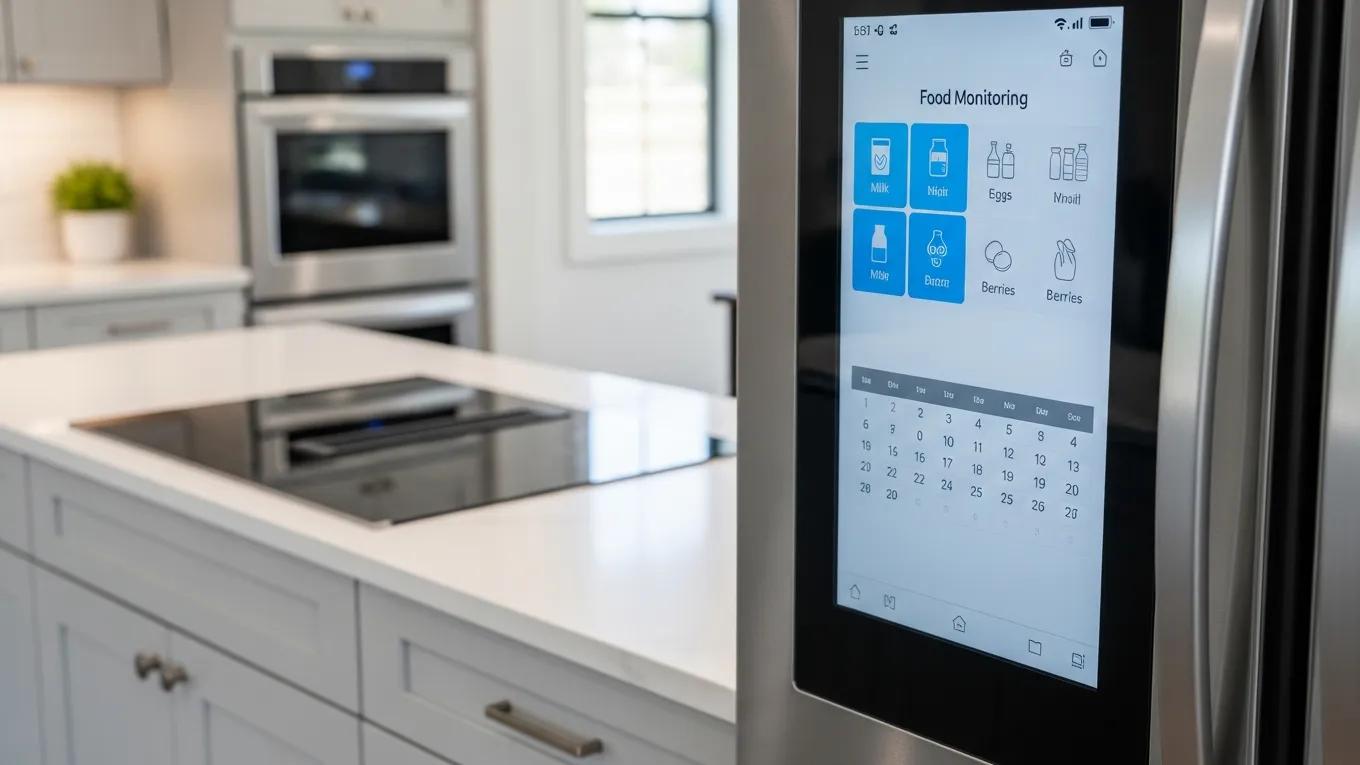
Modern energy saving appliances are no longer limited to simply using less electricity. Many now include smart technology and connected features designed to improve convenience, reduce waste, and help homeowners manage energy use more effectively.
These innovations are changing the way people interact with appliances on a daily basis while also supporting long-term efficiency goals.
One of the biggest developments in recent years has been the integration of smart controls. Instead of running on fixed settings alone, many appliances can now adjust performance automatically based on usage patterns, time of day, or household habits.
This allows appliances to operate more efficiently without requiring constant manual adjustments. Smart refrigerators are a good example of this shift. Some models can monitor internal temperatures, track food freshness, and even send notifications when certain items are close to expiring.
Others include inventory features that help homeowners keep better track of groceries, which may reduce unnecessary food waste. While these features add convenience, they also support energy efficiency by helping the appliance maintain more consistent cooling performance.
Connected kitchen appliances are also becoming more common in households focused on reducing energy consumption. Dishwashers and washing machines can now schedule cycles during off-peak energy hours, while smart ovens may automatically adjust cooking temperatures for more efficient operation.
These small improvements can lead to noticeable energy savings over time, especially in homes where appliances are used heavily throughout the week.
Another growing trend involves centralized energy management systems. Some newer homes allow energy saving appliances to connect through a shared smart home platform, giving homeowners a clearer picture of overall electricity usage.
Instead of guessing which appliances consume the most power, users can monitor performance in real time and make adjustments when needed.
For example, certain systems can temporarily reduce appliance activity during periods of high energy demand or optimize usage based on local utility rates. These features help households improve efficiency without disrupting daily routines.
Artificial intelligence is also beginning to play a larger role in appliance design. Some advanced appliances can learn household habits and adapt automatically over time.
A refrigerator may recognize when doors are opened most frequently and adjust cooling cycles accordingly, while a smart thermostat connected to kitchen appliances can coordinate energy usage across multiple systems.
These innovations are not only about reducing electricity bills. Many homeowners are also interested in sustainability and lowering their environmental impact.
By using smarter technology to reduce wasted energy, modern appliances help support broader efforts to conserve resources and reduce emissions.
At the same time, convenience remains a major selling point. Energy-efficient appliances with smart features often simplify everyday tasks, whether that means receiving maintenance alerts, controlling settings remotely through a phone app, or automating routine functions.
As technology continues to evolve, homeowners can expect energy saving appliances to become even more responsive and efficient. Manufacturers are increasingly focusing on designs that combine performance, automation, and sustainability into a single system.
Rather than viewing efficiency as a compromise, many consumers now see smart appliances as a practical upgrade that improves both daily living and long-term household costs.
For anyone considering appliance upgrades, understanding how these technologies work can make it easier to choose models that provide real value. The best energy saving appliances are not only efficient on paper but also designed to adapt to modern lifestyles in ways that genuinely improve how homes operate every day.
How Water And Energy Conservation Work Together In The Kitchen
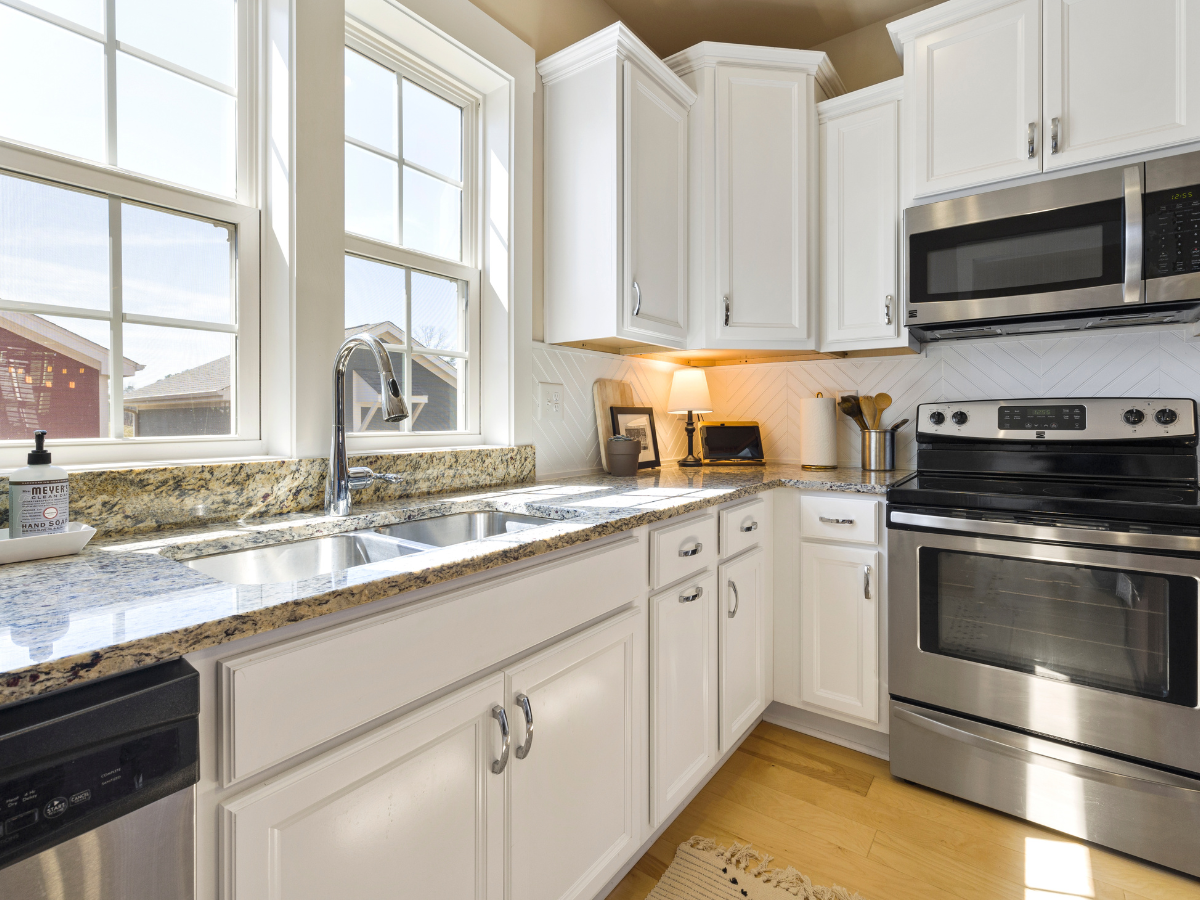
Water and energy conservation often go hand in hand, especially in the kitchen where appliances and daily routines can significantly impact household utility usage. Small changes in how a kitchen operates can reduce both water waste and electricity consumption without making everyday tasks less convenient.
Many homeowners focus on upgrading appliances first, and for good reason. Modern energy saving appliances are designed to use fewer resources while still delivering strong performance.
Dishwashers, refrigerators, and washing machines now include features that optimize water levels, reduce unnecessary energy use, and improve overall efficiency during operation.
However, conservation is not only about replacing appliances. Daily habits and kitchen setup also play a major role in reducing long-term utility costs and environmental impact.
Why Efficient Fixtures Matter
Low-flow fixtures are one of the simplest ways to reduce water consumption in the kitchen and throughout the home. Modern low-flow faucets are designed to maintain strong water pressure while using significantly less water than older fixtures.
This improvement helps homeowners reduce waste without changing how they use their kitchen. Even small reductions in water usage can add up over time, particularly in larger households where sinks and dishwashers are used frequently throughout the day.
Because heating water also requires energy, reducing water consumption often lowers electricity or gas usage at the same time. This connection is one reason conservation strategies tend to work best when approached as part of a larger household efficiency plan.
How Energy-Efficient Appliances Reduce Waste
Newer energy saving appliances are built with efficiency in mind from the start. Dishwashers now use targeted spray systems and advanced sensors to determine how much water is actually needed for each cycle.
Refrigerators maintain stable temperatures with less power, while induction cooktops transfer heat more efficiently than traditional electric burners.
These improvements help reduce unnecessary resource use without sacrificing performance. In many cases, efficient appliances actually improve convenience by operating faster, quieter, and more consistently than older models.
For homeowners looking to lower utility bills, upgrading aging appliances can make a noticeable difference over time. While the upfront cost may be higher initially, the long-term savings in electricity and water usage often help offset the investment.
The Role Of Daily Habits In Conservation
Technology alone is not enough to maximize efficiency. Everyday routines also influence how much water and energy a household consumes.
Meal planning is one example of a simple habit that can support conservation. Preparing meals in advance often reduces repeated oven or stovetop use throughout the week, which lowers overall energy demand.
Batch cooking works similarly by allowing homeowners to prepare multiple meals at once rather than using appliances repeatedly every day. These strategies can also reduce food waste, which indirectly supports sustainability efforts by minimizing unnecessary consumption overall.
Even small behavioral changes, such as running full dishwasher loads instead of partial ones or avoiding excessive pre-rinsing, can contribute to noticeable savings over time.
Building A More Sustainable Kitchen
Creating a more efficient kitchen does not require a complete remodel or expensive technology upgrades all at once. Many households see meaningful improvements by combining practical habits with gradual appliance upgrades.
For example, pairing low-flow fixtures with modern energy saving appliances creates a more balanced approach to conservation. Efficient appliances reduce resource consumption during operation, while thoughtful daily habits help maximize those savings long term.
The goal is not perfection but smarter resource use. Kitchens are among the busiest areas of any home, which means even modest improvements can have a lasting impact on utility costs and environmental sustainability.
As more homeowners prioritize efficiency, manufacturers continue developing appliances and systems that make conservation easier to maintain in everyday life. The result is a kitchen that not only functions well but also supports lower operating costs and more responsible energy use over time.
Smart Lighting Solutions For A More Energy-Efficient Home
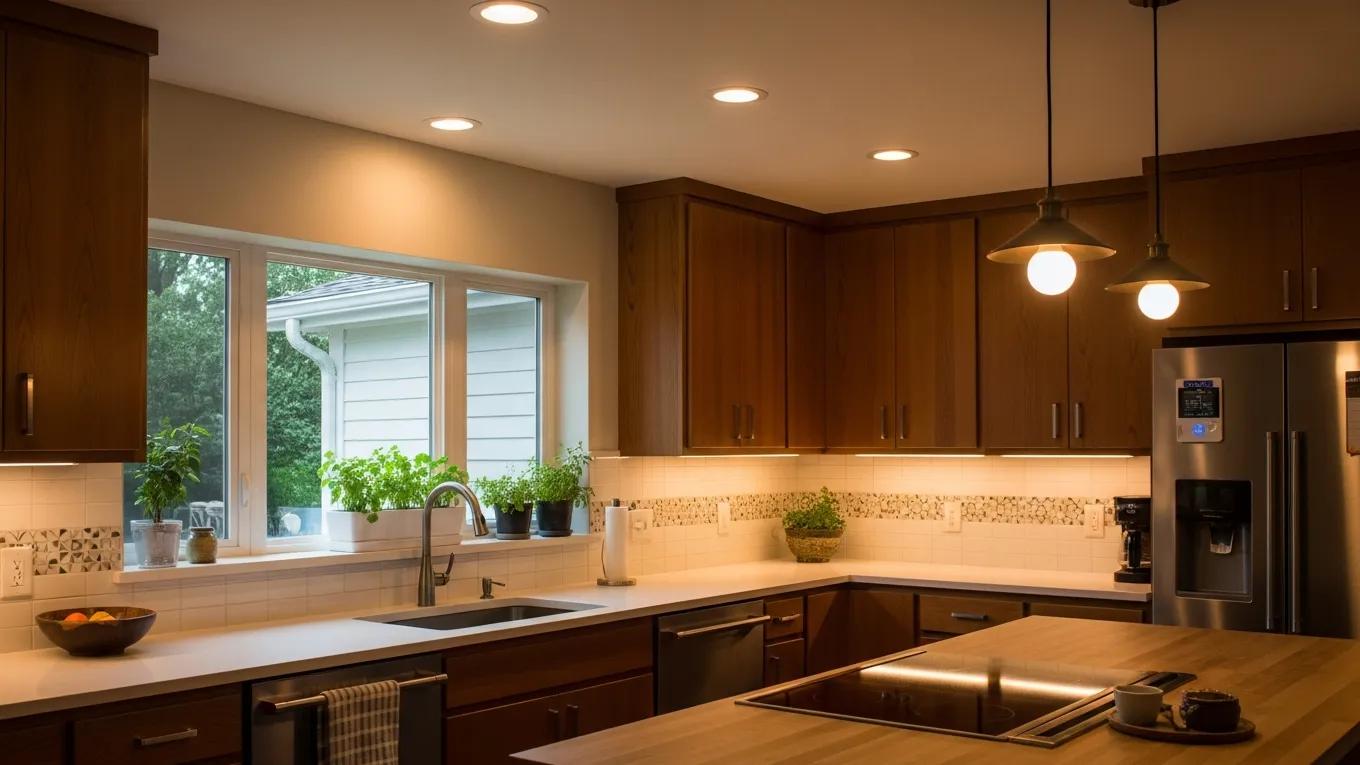
Lighting plays a bigger role in household energy use than many people realize. While appliances often receive most of the attention when discussing efficiency, lighting choices can also have a noticeable impact on monthly utility costs.
By combining modern fixtures, smart controls, and thoughtful home design, homeowners can reduce electricity usage without sacrificing comfort or visibility.
One of the most effective upgrades is switching to LED lighting. LEDs use far less electricity than traditional incandescent bulbs while lasting significantly longer.
This combination of lower energy consumption and reduced replacement frequency makes them one of the simplest and most cost-effective improvements for an energy-conscious home.
As more households invest in energy saving appliances, efficient lighting systems are increasingly becoming part of the same overall strategy to lower long-term operating costs.
Why LED Lighting Is More Efficient
Traditional incandescent bulbs waste a large portion of energy by producing heat rather than usable light. LED bulbs work differently by converting more electricity directly into illumination, which makes them far more efficient during everyday use.
This efficiency translates into lower electricity consumption across the home. Kitchens, living rooms, hallways, and outdoor spaces often require lighting for long periods throughout the day, so even small improvements in efficiency can add up over time.
LED lighting also offers practical advantages beyond energy savings. Many bulbs last for years before needing replacement, which reduces maintenance and ongoing purchasing costs.
They are also available in a variety of brightness levels and color temperatures, making it easier to create comfortable lighting for different spaces.
How Smart Lighting Controls Reduce Energy Waste
Smart lighting systems help homeowners manage electricity usage more efficiently by automating when and how lights operate. Motion sensors, timers, and app-controlled systems can prevent unnecessary energy use by ensuring lights are only active when needed.
For example, motion-activated lighting in hallways, bathrooms, or outdoor areas reduces the likelihood of lights being left on accidentally. Smart dimmers allow users to lower brightness levels during certain times of day, which further reduces electricity consumption.
Some smart home systems can even coordinate lighting with other energy saving appliances to create a more efficient overall household setup.
This type of integration allows homeowners to monitor and control multiple systems from a single platform, improving convenience while supporting lower energy usage.
Maximizing Natural Daylight
Artificial lighting becomes less necessary when homes are designed to take advantage of natural daylight. Strategic window placement, lighter interior colors, and open layouts can significantly reduce the need for electric lighting during daytime hours.
Simple adjustments can also make a difference. Keeping windows unobstructed, using reflective surfaces, and choosing lighter curtains can help distribute daylight more effectively throughout a room.
In kitchens and workspaces where lighting is frequently used during the day, maximizing natural light can noticeably reduce electricity consumption over time. This approach not only lowers energy costs but also creates a brighter and more comfortable living environment.
Combining Lighting Efficiency With Appliance Upgrades
Lighting improvements are often most effective when combined with other household efficiency upgrades. Homes that already use energy saving appliances can increase overall savings further by addressing lighting systems at the same time.
For instance, an efficient kitchen equipped with modern appliances, LED fixtures, and smart lighting controls operates much differently from one relying on outdated systems. Together, these upgrades reduce unnecessary energy consumption while improving functionality and convenience.
Homeowners do not need to replace everything at once to see benefits. Gradual changes, such as replacing high-use bulbs first or adding smart switches in key areas, can still lead to meaningful long-term savings.
Creating A More Energy-Conscious Home
Energy-efficient lighting is not only about reducing electricity bills. It also supports a more sustainable lifestyle by lowering overall household energy demand.
As technology continues to improve, lighting systems are becoming easier to customize, automate, and integrate into everyday routines. Homeowners now have more options than ever to create spaces that feel comfortable, functional, and energy efficient at the same time.
When paired with modern energy saving appliances, efficient lighting solutions help create a home that uses resources more responsibly without compromising convenience or performance.
Sustainable Practices That Support An Energy-Efficient Kitchen
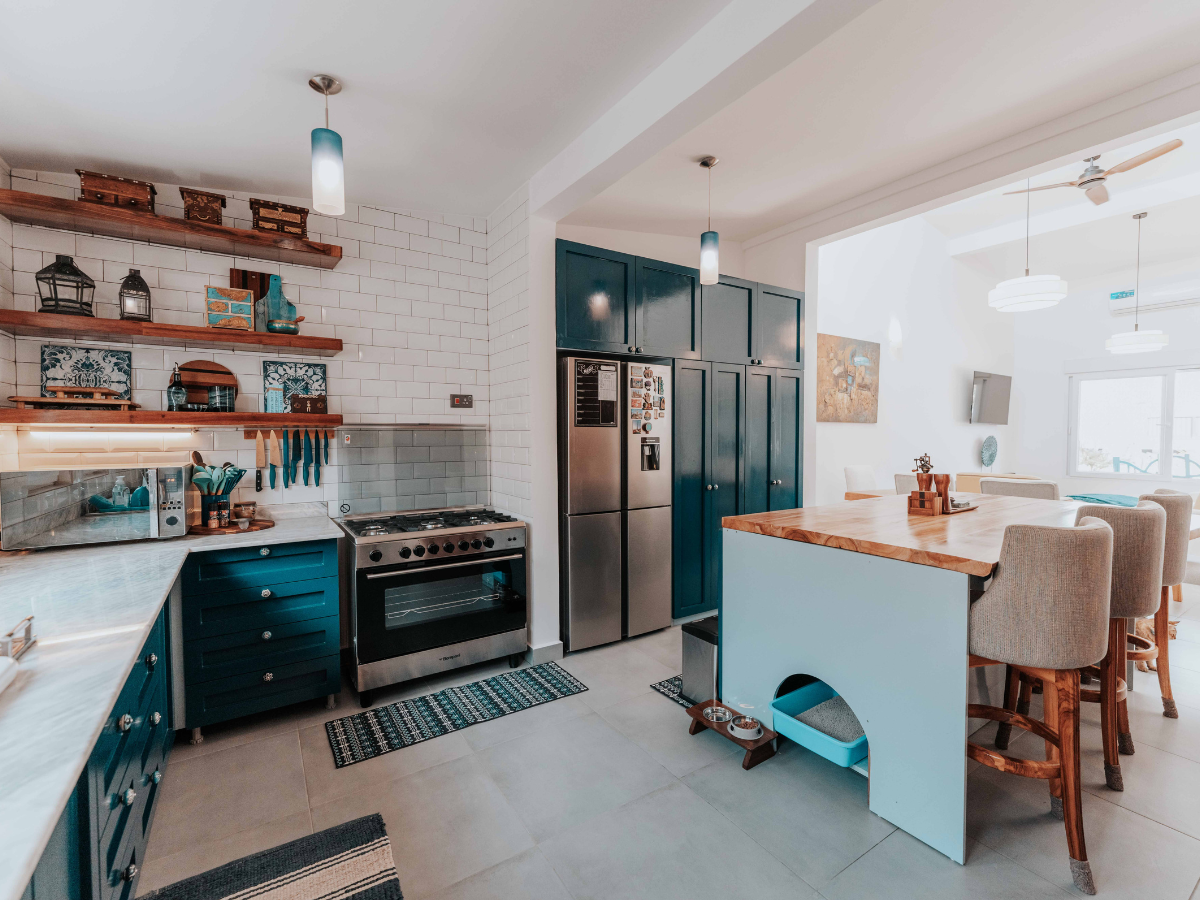
Creating a more sustainable kitchen involves more than simply upgrading appliances. While energy saving appliances play a major role in reducing electricity and water usage, the overall design and functionality of the space also influence long-term efficiency.
Factors such as lighting, insulation, ventilation, and material choices all contribute to how much energy a kitchen consumes over time. A well-designed kitchen can help homeowners reduce waste, lower utility costs, and create a more environmentally responsible living space without sacrificing comfort or practicality.
Why Kitchen Design Matters For Sustainability
Many homeowners focus primarily on appliance upgrades when trying to improve efficiency, but the surrounding environment matters just as much.
Even the most efficient refrigerator or dishwasher can work harder than necessary if the kitchen itself is poorly insulated or heavily dependent on artificial lighting.
Sustainable kitchen design aims to reduce unnecessary energy demand from the beginning. This includes improving airflow, maximizing daylight, and selecting materials that last longer and require fewer resources to maintain or replace.
When combined with modern energy saving appliances, these design choices create a more balanced and efficient home overall.
Maximizing Natural Light
Natural lighting is one of the simplest ways to reduce electricity usage in the kitchen. A brighter space requires less artificial lighting during the day, which can lower overall energy consumption over time.
Large windows, skylights, and open layouts help distribute sunlight more effectively throughout the room. Reflective surfaces and lighter wall colors can also improve how natural light spreads within the space, reducing the need for additional fixtures during daylight hours.
Beyond energy savings, natural light can make kitchens feel more open, comfortable, and inviting. Many homeowners also find that well-lit spaces improve visibility for cooking and food preparation.
The Importance Of Proper Insulation
Insulation plays a larger role in kitchen efficiency than many people realize. Kitchens generate heat from ovens, stovetops, and appliances, but poor insulation can make indoor temperatures harder to regulate throughout the year.
Proper insulation helps stabilize indoor conditions by reducing heat loss during colder months and limiting excess heat transfer during warmer weather. This reduces the strain on heating and cooling systems, which can significantly impact household energy usage over time.
Efficient insulation also supports the performance of energy saving appliances by creating a more temperature-stable environment. Refrigerators, for example, may operate more efficiently when the surrounding room temperature remains consistent.
Choosing Eco-Friendly Materials
Sustainability also extends to the materials used in kitchen construction and remodeling. Countertops, flooring, cabinetry, and wall finishes all have environmental impacts tied to manufacturing, transportation, and long-term durability.
Many homeowners are now choosing recycled, renewable, or responsibly sourced materials to reduce their environmental footprint. Bamboo cabinetry, recycled glass countertops, and sustainably harvested wood products are becoming increasingly popular options in modern kitchen design.
Durability matters as well. Materials that last longer and require fewer replacements over time generally create less waste and lower long-term resource consumption.
Combining Sustainability With Everyday Functionality
One of the biggest misconceptions about sustainable design is that it requires sacrificing style or convenience. In reality, many eco-friendly kitchens are designed specifically to improve everyday usability while reducing waste and energy consumption behind the scenes.
For example, efficient layouts can improve workflow during cooking, while better ventilation helps maintain indoor air quality. Pairing these design improvements with energy saving appliances creates a kitchen that functions more efficiently overall.
Sustainable practices also encourage more mindful daily habits. Homeowners often become more conscious of water use, food waste, and electricity consumption once efficiency becomes part of the kitchen’s overall design strategy.
Building A More Efficient Home Over Time
Sustainability does not have to happen all at once. Many households gradually improve efficiency through small upgrades and smarter design choices over time.
Replacing outdated appliances, improving insulation, upgrading lighting, and selecting durable materials can collectively create a kitchen that uses fewer resources while remaining highly functional. These improvements not only support environmental goals but can also lead to lower long-term operating costs.
As sustainable living continues to grow in importance, kitchens designed around efficiency, durability, and thoughtful resource management are becoming an increasingly valuable part of the modern home.
How To Select The Right Energy-Efficient Appliances For Your Home
Choosing the right appliances involves more than picking a style or staying within a budget. The appliances used every day in a kitchen can have a major impact on long-term utility costs, overall convenience, and household energy consumption.
Because of this, many homeowners now prioritize efficiency alongside performance when planning upgrades or remodels. Modern energy saving appliances are designed to reduce electricity and water use without compromising functionality.
However, with so many options available, comparing models carefully is important to ensure the investment delivers lasting value.
Why Energy Ratings Matter
One of the best starting points when comparing appliances is reviewing their energy ratings and certifications. Labels such as Energy Star provide a standardized way to identify models that meet recognized efficiency guidelines.
These ratings make it easier to compare refrigerators, dishwashers, ovens, and other appliances based on estimated energy consumption. While two appliances may appear similar at first glance, their long-term operating costs can vary significantly depending on how efficiently they use electricity and water.
For homeowners focused on reducing utility bills, paying attention to efficiency ratings can help avoid higher energy expenses over the lifespan of the appliance.
Balancing Upfront Costs With Long-Term Savings
Energy-efficient models sometimes come with higher purchase prices than standard appliances, which can make decision-making more difficult initially. However, lower monthly operating costs often help offset that investment over time.
For example, a refrigerator that uses significantly less electricity every day may generate meaningful savings over several years of use. The same applies to dishwashers and washing machines designed to minimize water and energy consumption during each cycle.
When evaluating energy saving appliances, homeowners should consider overall lifetime value rather than focusing only on the initial purchase cost. In many cases, efficient appliances last longer, operate more consistently, and require less maintenance than older or lower-quality models.
Comparing Brands And Features
Different appliance manufacturers prioritize different features, so it helps to compare brands based on both efficiency and practicality. Some homeowners may value smart technology and automation, while others prioritize durability, storage capacity, or ease of maintenance.
Reading reviews and researching real-world performance can provide helpful insight beyond marketing claims. Looking at how appliances perform over time, especially in households with similar usage needs, often gives a more realistic understanding of value.
Features such as adjustable energy modes, eco-friendly wash cycles, smart temperature controls, and sensor-based operation can all contribute to improved efficiency without making appliances more complicated to use.
Matching Appliances To Household Needs
Not every household requires the same appliance setup. Choosing the right size and capacity is just as important as selecting an efficient model.
For instance, an oversized refrigerator in a smaller household may waste energy unnecessarily, while a dishwasher with too little capacity could lead to more frequent usage. Selecting appliances that fit actual lifestyle needs helps maximize efficiency while avoiding unnecessary consumption.
This is especially important during kitchen remodels, where appliance placement, ventilation, and layout all influence overall functionality and energy performance.
Designing A More Efficient Kitchen
Appliance selection also plays a role in the overall design of the kitchen. Efficient layouts can improve workflow, reduce wasted movement, and support better energy management throughout the space.
For homeowners planning a remodel, companies such as Kitchen and Bath by Zeus may incorporate modern energy-saving technologies into custom kitchen designs that balance appearance, practicality, and efficiency.
A thoughtful kitchen design allows energy saving appliances to work more effectively while maintaining a cohesive and functional space.
Making Smarter Long-Term Decisions
Upgrading appliances is often one of the most practical ways to improve household efficiency. However, the best results usually come from taking a long-term approach rather than focusing solely on short-term costs.
Carefully comparing brands, reviewing energy ratings, and selecting appliances that fit both household needs and kitchen design goals can lead to meaningful savings over time.
More importantly, it creates a home that operates more efficiently every day without sacrificing comfort or convenience. As technology continues to improve, homeowners have more opportunities than ever to invest in appliances that support both sustainability and long-term value.
Frequently Asked Questions About Energy-Efficient Appliances
What Should You Look For When Buying Energy-Efficient Appliances?
When shopping for energy saving appliances, it helps to focus on both efficiency ratings and practical functionality. Appliances with Energy Star certification are a good starting point because they meet recognized efficiency standards for electricity and water use.
Homeowners should also pay attention to appliance size, smart features, and long-term operating costs. An appliance that is too large for the household may waste energy unnecessarily, while features such as adaptive cycles and smart controls can help reduce consumption automatically.
It is also worth researching brand reputation and reliability. Lower utility bills are important, but durability and consistent performance matter just as much over the lifespan of the appliance.
How Can You Maintain Energy-Efficient Appliances Properly?
Regular maintenance helps appliances operate efficiently for as long as possible. Even high-quality appliances can lose efficiency if they are not cleaned or maintained correctly.
For refrigerators, cleaning condenser coils and checking door seals can improve cooling performance and reduce unnecessary energy use. Dishwashers work more efficiently when filters are cleaned regularly, while induction cooktops should be used with compatible cookware to maximize heat transfer.
Many modern energy saving appliances also include smart diagnostic systems or software updates that help maintain performance over time. Following manufacturer maintenance recommendations can extend appliance lifespan and help prevent costly repairs.
Are There Government Incentives For Energy-Efficient Appliances?
In many regions, homeowners may qualify for rebates, tax credits, or utility incentives when purchasing energy-efficient products. Programs connected to Energy Star certifications are among the most common and are designed to encourage households to reduce overall energy consumption.
Available incentives often vary depending on location, appliance type, and local utility providers. Some programs focus on major appliances such as refrigerators or washing machines, while others support broader home efficiency upgrades.
Checking local government resources or utility company websites can help homeowners identify current programs available in their area.
Can Energy-Efficient Appliances Really Lower Utility Bills?
Yes, efficient appliances can make a noticeable difference in long-term utility costs. Modern appliances are designed to use less electricity and water while still maintaining strong performance.
For example, a newer refrigerator may consume significantly less energy than an older model running continuously throughout the day. Similarly, efficient dishwashers and washing machines reduce both electricity and water usage during each cycle.
While monthly savings may seem modest at first, the combined effect over several years can be substantial. Households that replace multiple outdated appliances often experience the most noticeable reductions in overall utility expenses.
What Role Do Smart Technologies Play In Energy Efficiency?
Smart technology helps appliances operate more efficiently by adapting to real household usage patterns. Instead of relying only on manual settings, connected appliances can optimize energy use automatically.
Some smart refrigerators monitor internal temperatures more accurately, while advanced dishwashers adjust water levels based on load size. Smart scheduling features can also help appliances run during off-peak energy hours, potentially lowering electricity costs further.
Many energy saving appliances now include remote monitoring through smartphone apps, giving homeowners more control over energy use even when away from home.
How Can You Tell If An Appliance Is Truly Energy Efficient?
The easiest way to evaluate efficiency is by reviewing official energy ratings and certifications. Energy Star labels provide a reliable benchmark for comparing appliances across different brands and categories.
Customer reviews and independent product testing can also offer insight into real-world performance. Some appliances may advertise efficiency features but perform inconsistently in everyday use, so researching user experiences is helpful before making a purchase.
Comparing annual operating cost estimates can provide additional perspective when choosing between models.
Conclusion
Upgrading to energy-efficient appliances is one of the smartest investments you can make in your modern kitchen, delivering lower utility bills, reduced environmental impact, and enhanced performance that simplifies daily life.
From induction cooktops and ENERGY STAR® refrigerators to smart dishwashers that optimize water usage, today’s appliances combine sustainability with cutting-edge design.
For expert guidance in selecting and integrating the best energy-saving appliances into your kitchen remodel, trust Kitchen and Bath by Zeus.
Ready to create a kitchen that’s as efficient as it is beautiful? Call 404-602-2668 or fill out our online form to schedule your free consultation today. Let our team help you design a space where style, savings, and sustainability come together seamlessly.