
A small kitchen can feel limiting, but the right layout and storage choices can completely change how the space functions. Tight countertops, crowded cabinets, and limited movement often come down to how the kitchen is organized rather than its actual size.
Maximizing space in your small kitchen starts with using every inch more efficiently. Smart storage solutions, streamlined layouts, and multi-functional features can help reduce clutter and improve workflow without major renovations. Even small adjustments can open up the room and make daily tasks easier.
With the right approach, you can turn a compact kitchen into a space that feels organized, functional, and comfortable to use every day.
Maximize Space in Your Small Kitchen Today and Reduce Clutter Fast
How Custom Cabinetry Enhances Kitchen Storage Capacity
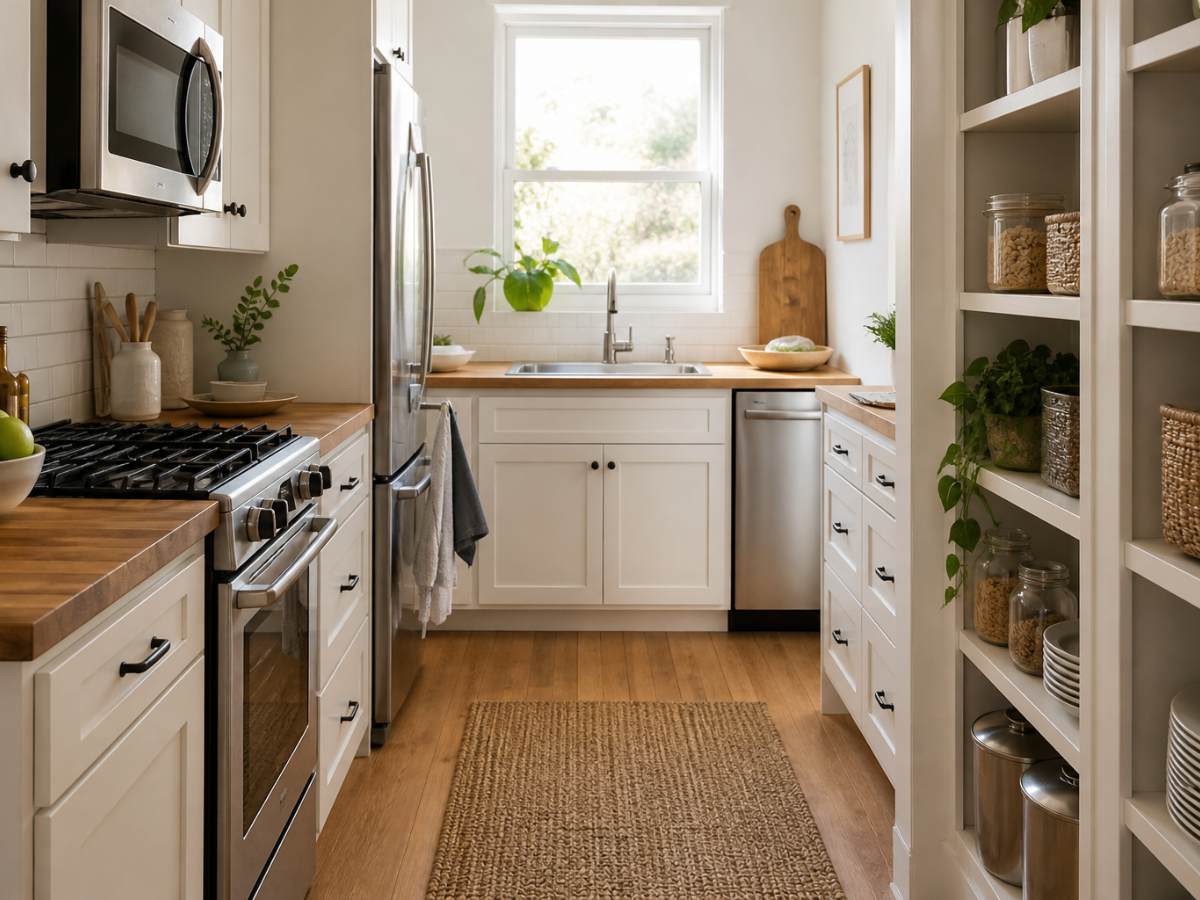
If you’re trying to maximize space in your small kitchen today, custom cabinetry is one of the most effective upgrades you can make.
Instead of working around standard cabinet sizes, custom solutions are designed to fit your layout exactly, which means fewer wasted corners and more usable storage where you actually need it.
One of the biggest advantages is how custom cabinets take advantage of vertical space. In many kitchens, the area above standard cabinets goes unused or becomes a catch-all for clutter.
Extending cabinetry all the way to the ceiling creates additional storage that stays out of sight but remains accessible when needed. This is especially helpful for items you don’t use every day but still want within reach.
Making Awkward Spaces Work Smarter
Small kitchens often come with tight corners, narrow gaps, or oddly shaped layouts that standard cabinetry cannot fully address. Custom cabinetry is designed to turn those tricky areas into practical storage instead of dead space.
For example, corner cabinets can be fitted with rotating shelves or pull-out systems that make it easier to reach items that would otherwise get lost in the back.
Narrow spaces between appliances or walls can be transformed into slim pull-out cabinets, perfect for storing spices, baking trays, or pantry essentials.
These small adjustments make a noticeable difference when you are trying to maximize space in your small kitchen today without expanding the footprint.
Built-In Storage That Improves Daily Use
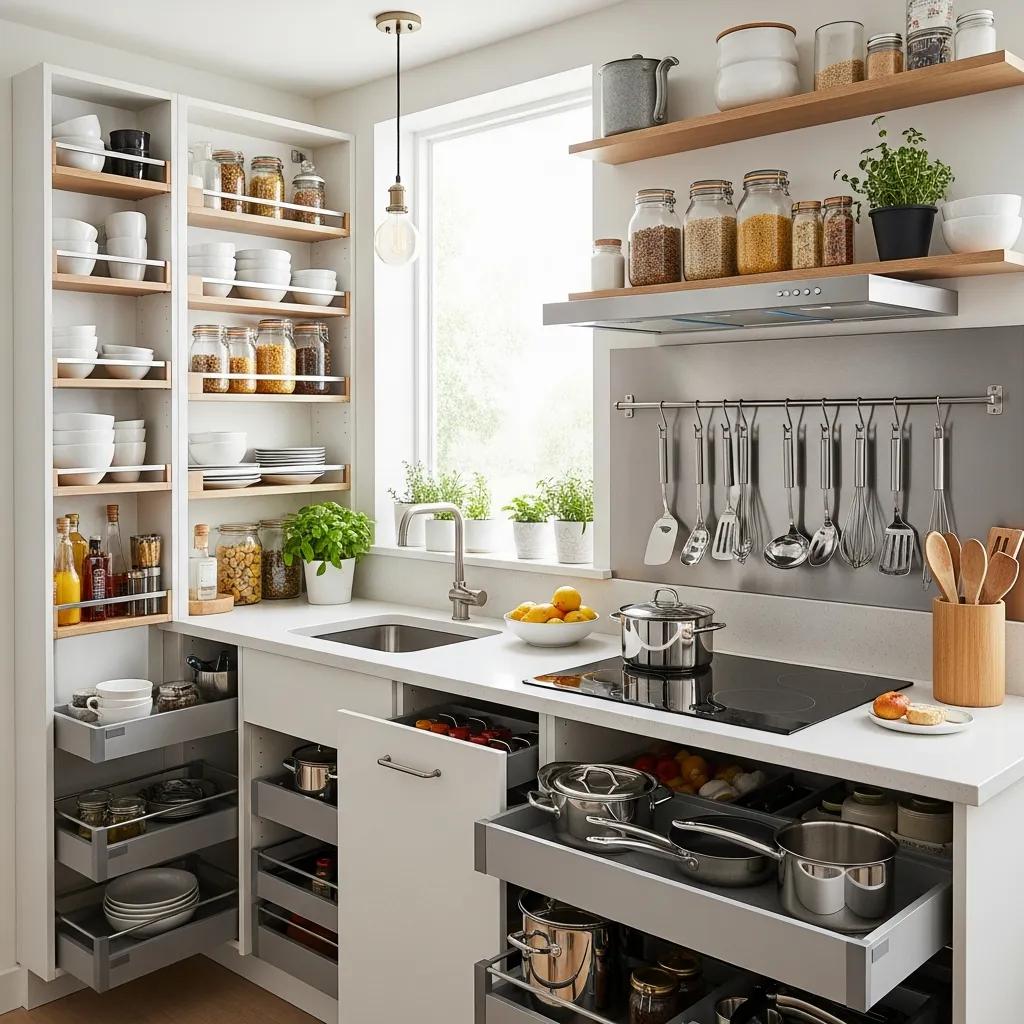
Beyond adding more storage, custom cabinetry improves how you interact with your kitchen on a daily basis. Features like pull-out drawers, vertical dividers, and hidden compartments help keep everything organized and easy to access.
Instead of stacking items and digging through them later, you can create designated spaces for cookware, utensils, and pantry goods.
This kind of organization reduces clutter on your countertops and makes cooking feel more efficient. When everything has a place, even a small kitchen can feel more open and manageable.
Balancing Storage With A Clean Look
Another benefit of custom cabinetry is how it helps maintain a clean, cohesive appearance. In a smaller kitchen, visual clutter can make the space feel even tighter. Well-designed cabinets allow you to store more items behind closed doors, which keeps the overall look simple and uncluttered.
You can also choose finishes and styles that reflect your design preferences while still prioritizing function. Whether you prefer a modern, minimal look or something more traditional, custom cabinetry allows you to blend storage and aesthetics without compromise.
A Practical Investment For Small Kitchens
When space is limited, every design choice matters. Custom cabinetry is not just about adding more storage, but about making better use of the space you already have. By tailoring cabinets to your layout and daily habits, you create a kitchen that works more efficiently without feeling crowded.
For homeowners looking to maximize space in your small kitchen today, this approach offers a long-term solution that goes beyond quick fixes. With thoughtful design and smart features, custom cabinetry can transform even the most compact kitchen into a space that feels organized, functional, and easy to use.
Which Innovative Storage Accessories Save The Most Space?
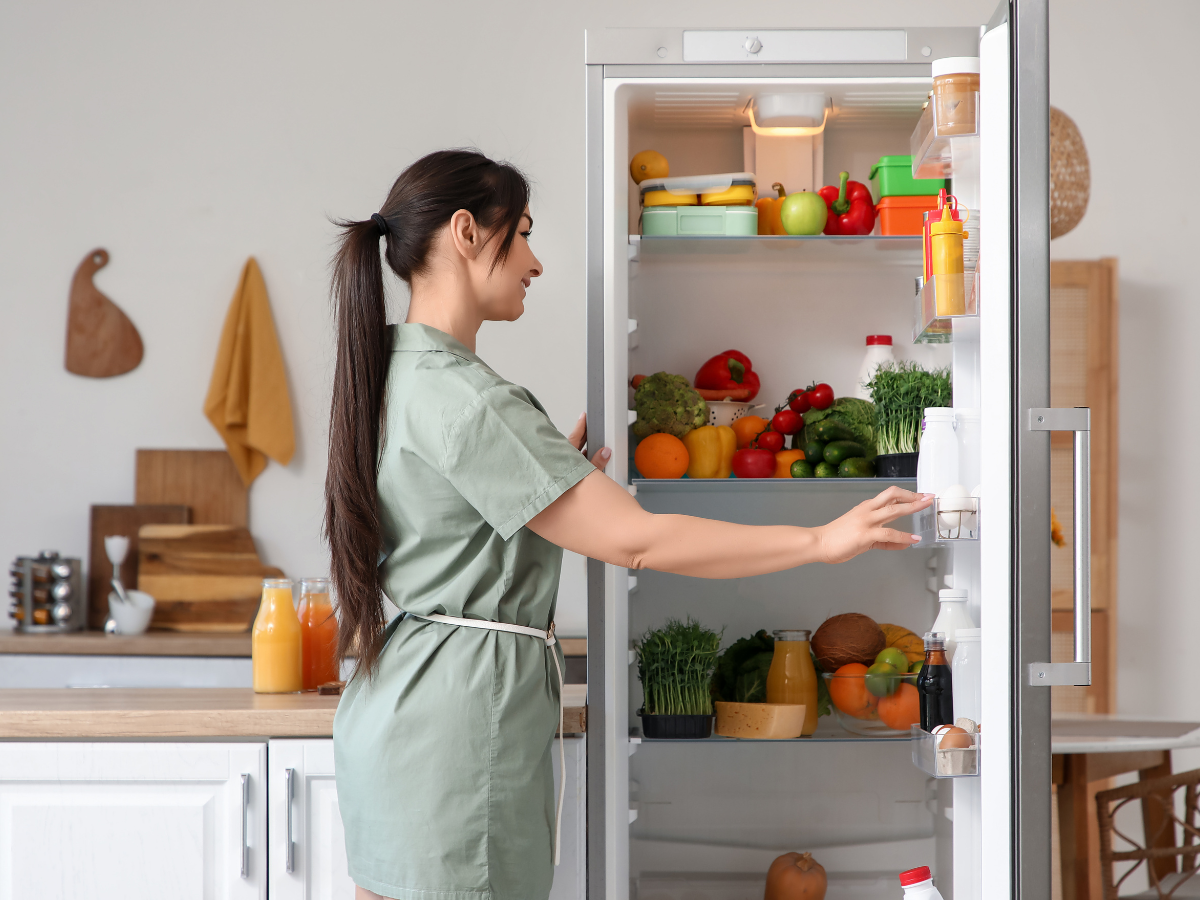
When you are trying to maximize space in your small kitchen today, the right accessories can make an immediate difference. Instead of relying only on cabinets and drawers, smart add-ons help you use areas that often go overlooked.
Wall-mounted pot racks are a simple way to free up cabinet space while keeping everyday cookware within reach. Hanging pots and pans may feel like a design choice at first, but it also reduces the need to stack bulky items inside cabinets.
This makes it easier to grab what you need without shifting everything around. Pull-out pantries are another effective option, especially in narrow kitchens where traditional storage does not always fit.
These slim units slide out smoothly and can hold dry goods, spices, or small kitchen essentials in a way that stays organized and easy to access.
Even a small gap between appliances can often be turned into useful storage with this kind of solution. Convertible kitchen carts also offer the flexibility that built-in features cannot.
They can act as extra prep space when needed, then double as storage for utensils, appliances, or pantry items. Because they are mobile, they can be repositioned depending on how you use your kitchen throughout the day.
How To Choose Accessories That Fit Your Routine
Not every kitchen storage solution works for every kitchen, so it helps to think about how you actually use your space. If you cook often, keeping tools visible and accessible might matter more than hiding everything away. In that case, open storage like racks or shelves can be more practical than closed cabinets.
If you prefer a cleaner look, you might focus on accessories that tuck away easily. Pull-out systems and hidden compartments can keep surfaces clear while still increasing capacity. The key is to match the solution to your habits rather than forcing your routine to fit the design.
This approach is especially important when trying to maximize space in your small kitchen today. Choosing a few well-placed accessories that solve everyday problems is usually more effective than adding too many features that end up underused.
Making The Most Of Vertical And Hidden Storage
Beyond individual accessories, the overall strategy should focus on using space more efficiently. Vertical storage is one of the most overlooked opportunities in small kitchens. Installing shelving that extends higher up the wall allows you to store items you do not use daily while keeping lower areas free for essentials.
Pull-out shelves inside cabinets are another practical upgrade. Instead of reaching into the back of a deep cabinet, you can bring everything forward with a simple motion. This not only saves time but also prevents items from being forgotten or wasted.
Magnetic strips are a small addition that can have a big impact. Mounting knives or metal utensils on the wall clears drawer space and keeps frequently used tools within easy reach. It also helps reduce clutter on countertops, which can make the kitchen feel more open.
Creating A Kitchen That Works Smarter
Maximizing space is not just about adding more storage. It is about making the space you already have work better. By combining a few well-chosen accessories with a focus on vertical and hidden storage, even a compact kitchen can feel organized and functional.
For homeowners looking to maximize space in their small kitchen today, thoughtful upgrades like these can transform how the kitchen is used every day without requiring a full renovation.
How Can Space-Saving Kitchen Designs Improve Small Kitchen Functionality?
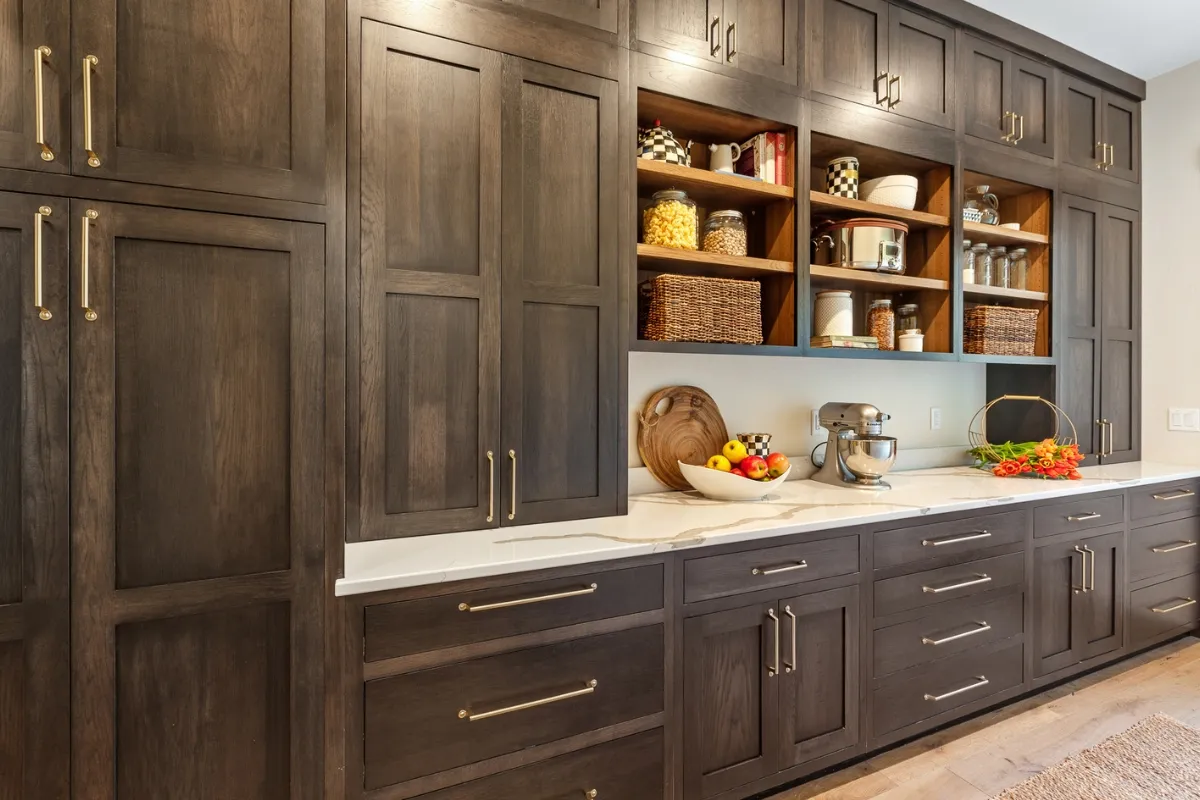
When you are working with limited square footage, thoughtful design becomes more important than ever. To maximize space in your small kitchen today, the goal is not just to fit more in, but to make everything easier to use.
A well-designed kitchen should support how you cook, move, and store items without feeling cramped. One of the most effective ways to improve functionality is by using vertical space more intentionally.
Tall cabinets and open shelving can turn empty wall space into practical storage, especially for items that are not used daily. This approach keeps countertops clearer, which immediately makes the kitchen feel more open and usable. Multifunctional furniture also plays a big role.
A small island or table with built-in storage can serve as a prep area, dining spot, and storage solution all at once. Instead of adding separate pieces for each purpose, combining functions helps reduce clutter while increasing usability.
Choosing Space-Saving Kitchen Appliances That Fit
Appliances can quickly take over a small kitchen if they are not chosen carefully. Selecting the right size and style helps maintain both function and flow. Compact appliances are designed specifically for smaller layouts, allowing you to keep essential features without sacrificing valuable space.
For example, a slim refrigerator can provide plenty of storage while fitting neatly into tighter areas. Similarly, smaller dishwashers are designed to handle daily use without requiring the footprint of a full-sized unit. Built-in microwaves are another smart option, as they free up counter space and create a more streamlined look.
The key is to choose appliances that match your actual needs. Oversized units often create more problems than they solve in a compact kitchen. By focusing on efficiency and proportion, you can maximize space in your small kitchen today while still maintaining full functionality.
Designing An Efficient Kitchen Layout
Layout has a direct impact on how a kitchen feels and performs. Even a small space can work well when the flow is planned carefully. Keeping a clear path between the sink, stove, and refrigerator helps create a natural rhythm for cooking and cleaning.
An efficient layout also reduces unnecessary movement. When everything is within reach, tasks become quicker and more enjoyable. This is especially important in smaller kitchens, where too much back-and-forth can make the space feel more crowded than it actually is.
Visual design choices can also influence how spacious the kitchen feels. Lighter tones on cabinets, walls, and surfaces reflect more light, which helps open up the room. Consistent finishes, whether in hardware, cabinetry, or flooring, create a cohesive look that avoids visual clutter.
Bringing Design And Function Together
Maximizing a small kitchen is not about one single upgrade. It is about how different elements work together. Storage, appliances, and layout all need to support each other to create a space that feels balanced and practical.
For homeowners looking to maximize space in your small kitchen today, focusing on smart design choices can transform how the kitchen is used every day.
With the right combination of vertical storage, right-sized appliances, and an efficient layout, even the smallest kitchen can feel organized, functional, and easy to navigate.
What Kitchen Organization Tips Help Maintain A Clutter-Free Small Kitchen?
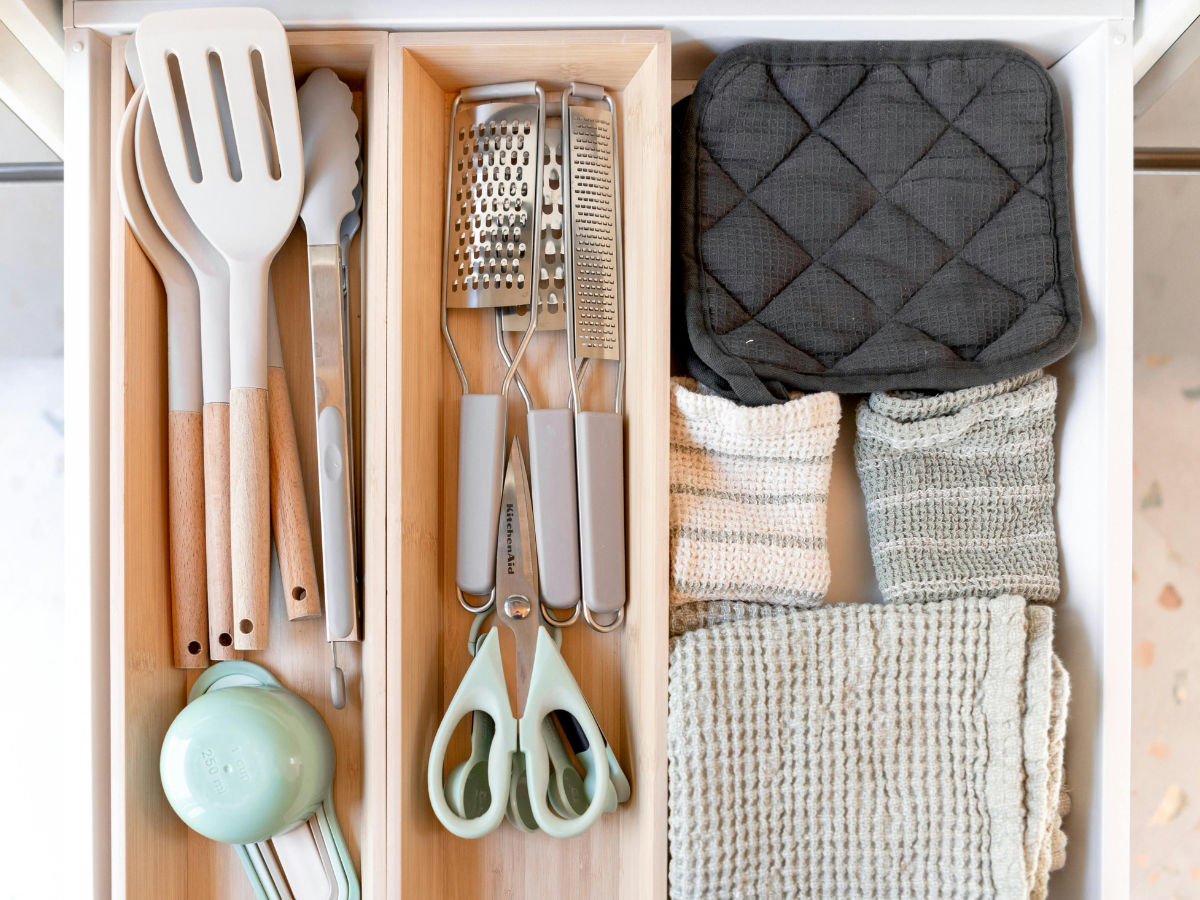
Keeping a small kitchen organized is less about one big overhaul and more about consistent, practical habits. If you want to maximize space in your small kitchen today, the focus should be on maintaining order in a way that fits your daily routine. Even the best storage solutions can fall short if clutter starts to build up again.
One of the most effective strategies is to make organization part of your weekly rhythm. A quick reset once a week can prevent items from piling up in drawers, cabinets, and on countertops.
This does not need to be time-consuming. Simply putting things back where they belong and clearing out anything unnecessary can keep the space manageable.
It also helps to be honest about what you actually use. Kitchens tend to collect tools, gadgets, and duplicate items over time. Letting go of rarely used pieces frees up valuable space and makes everything else easier to access.
How To Keep Countertops Clear And Functional
Countertop space is one of the most valuable areas in a small kitchen. When it is cluttered, the entire room can feel cramped. Creating more usable surface space starts with deciding what truly needs to stay out.
Daily-use items like a coffee maker or knife block can remain accessible, but everything else should have a designated storage spot.
Moving less frequently used appliances into cabinets or shelves instantly opens up the workspace. This simple shift can make cooking feel more efficient and less stressful.
Wall space can also take pressure off your counters. Hanging racks or mounted storage for utensils, pans, or small tools keeps essentials within reach without taking up surface area.
When you maximize space in your small kitchen today, using vertical surfaces for everyday items can make a noticeable difference in how the room functions.
Creating Zones That Support Your Workflow
Organization becomes easier when your kitchen is set up in a way that matches how you use it. Instead of storing items randomly, grouping similar tools and ingredients together can simplify everyday tasks.
For example, keeping baking supplies in one area and cooking essentials in another helps reduce time spent searching for things. This approach creates natural zones that support different activities, whether it is meal prep, cooking, or cleanup.
Clear containers can also improve visibility and reduce unnecessary clutter. When you can easily see what you have, it becomes easier to avoid overbuying or misplacing items. This small adjustment helps maintain order without requiring extra effort.
Small Changes That Make A Lasting Impact
Sometimes the most effective improvements are the simplest ones. Adding hooks inside cabinet doors or along walls can create extra storage for items that would otherwise take up drawer space. Drawer organizers can also prevent smaller items from becoming disorganized over time.
The key is to focus on solutions that are easy to maintain. Complicated systems often fall apart because they require too much effort to keep up. When organization feels natural and intuitive, it is more likely to stick.
Maintaining A Kitchen That Works For You
A clutter-free kitchen is not about perfection. It is about creating a space that feels functional and easy to use every day. With a few thoughtful adjustments and consistent habits, even the smallest kitchen can feel more open and efficient.
For anyone looking to maximize space in your small kitchen today, staying organized is just as important as adding new storage. When everything has a place, and the layout supports your routine, the kitchen becomes a space that works with you rather than against you.
How to Use Multifunctional Furniture for Better Organization
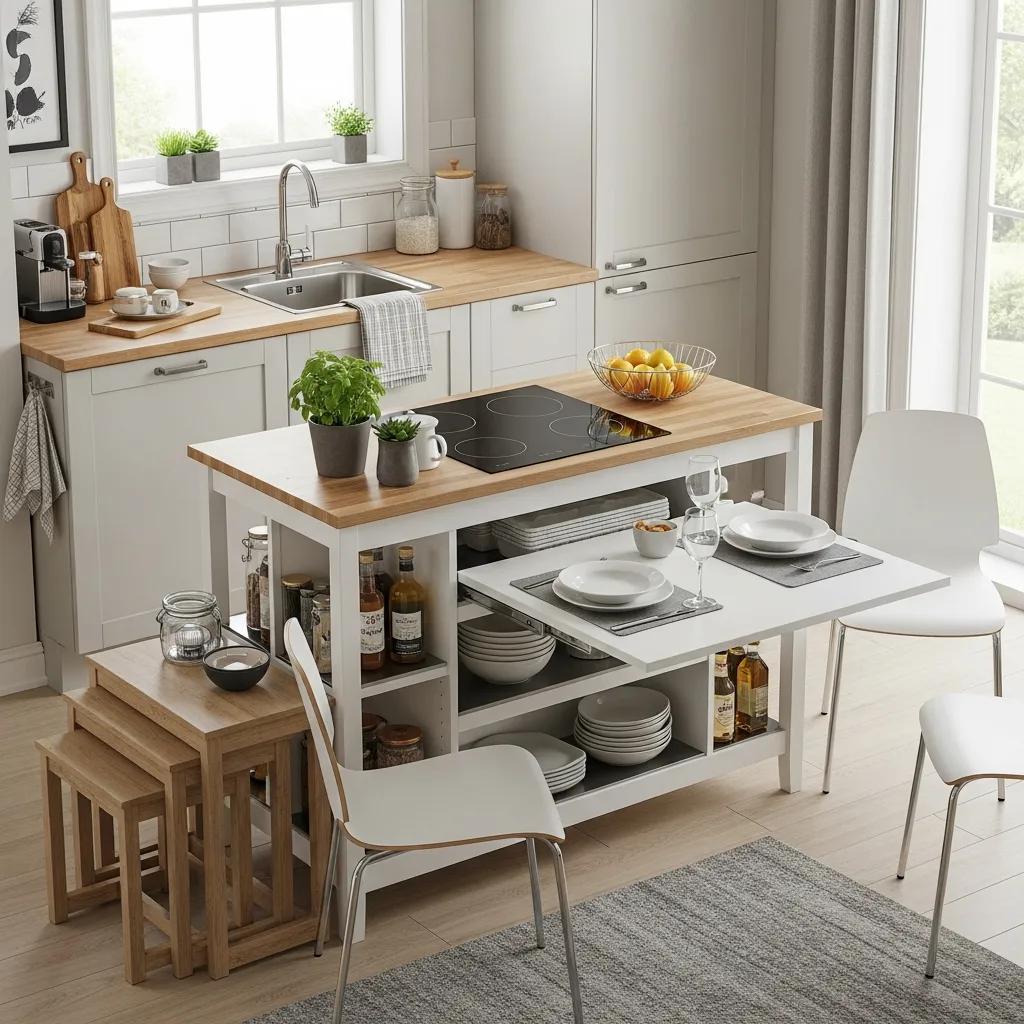
When you are trying to maximize space in your small kitchen today, furniture that serves more than one purpose can make a noticeable difference.
Instead of adding separate pieces for prep, storage, and dining, multifunctional options combine these roles in a way that keeps the room from feeling crowded.
A small kitchen often does not have room for extras, so every piece you bring in should earn its place. Furniture that adds both surface area and hidden storage helps you get more use out of the same footprint without overwhelming the space.
Choosing Pieces That Add Both Storage And Function
One of the most practical additions is a compact kitchen island with built-in storage. It can act as a prep station while also holding cookware, utensils, or pantry items inside. This kind of setup keeps essentials close at hand while reducing the need for additional cabinets.
Foldable dining tables are another smart option, especially in kitchens that double as eating areas. When folded down, they free up valuable floor space.
When extended, they provide a comfortable place to sit and eat or even prep meals. This flexibility allows the kitchen to adapt to different needs throughout the day.
Nesting tables offer a similar advantage in a smaller form. They can be pulled out when extra surface space is needed and tucked away neatly when not in use. This makes them useful for everything from food prep to serving during gatherings.
Matching Furniture To Your Layout
Not all multifunctional pieces work in every kitchen, so it is important to consider your layout before making a choice. In tighter spaces, slimmer designs often work better than bulky options. A narrow island or a wall-mounted fold-down table can provide the same benefits without restricting movement.
It also helps to think about how you move through the kitchen. Furniture should support the flow rather than interrupt it. Keeping pathways clear between key areas like the sink, stove, and refrigerator ensures the space remains practical and comfortable to use.
When you select pieces that fit naturally into your layout, it becomes much easier to maximize space in your small kitchen today without making it feel overcrowded.
Creating Flexibility Without Clutter
One of the biggest advantages of multifunctional furniture is the flexibility it brings. A kitchen that can shift between cooking, dining, and storage without constant rearranging feels more open and efficient.
At the same time, it is important to avoid adding too many pieces, even if they serve multiple purposes. A few well-chosen items will always be more effective than filling the room with options that compete for space.
Keeping the design simple allows each piece to stand out and function properly. This approach helps maintain a clean, organized look while still improving overall usability.
Making The Most Of A Small Kitchen
Maximizing a small kitchen is not just about storage. It is about creating a space that adapts to your needs without adding unnecessary complexity. Multifunctional furniture supports this goal by offering practical solutions that fit into everyday life.
For homeowners looking to maximize space in your small kitchen today, choosing furniture that works harder without taking up more room is a straightforward way to improve both organization and comfort.
What Smart Lighting Solutions Enhance Small Kitchen Usability?
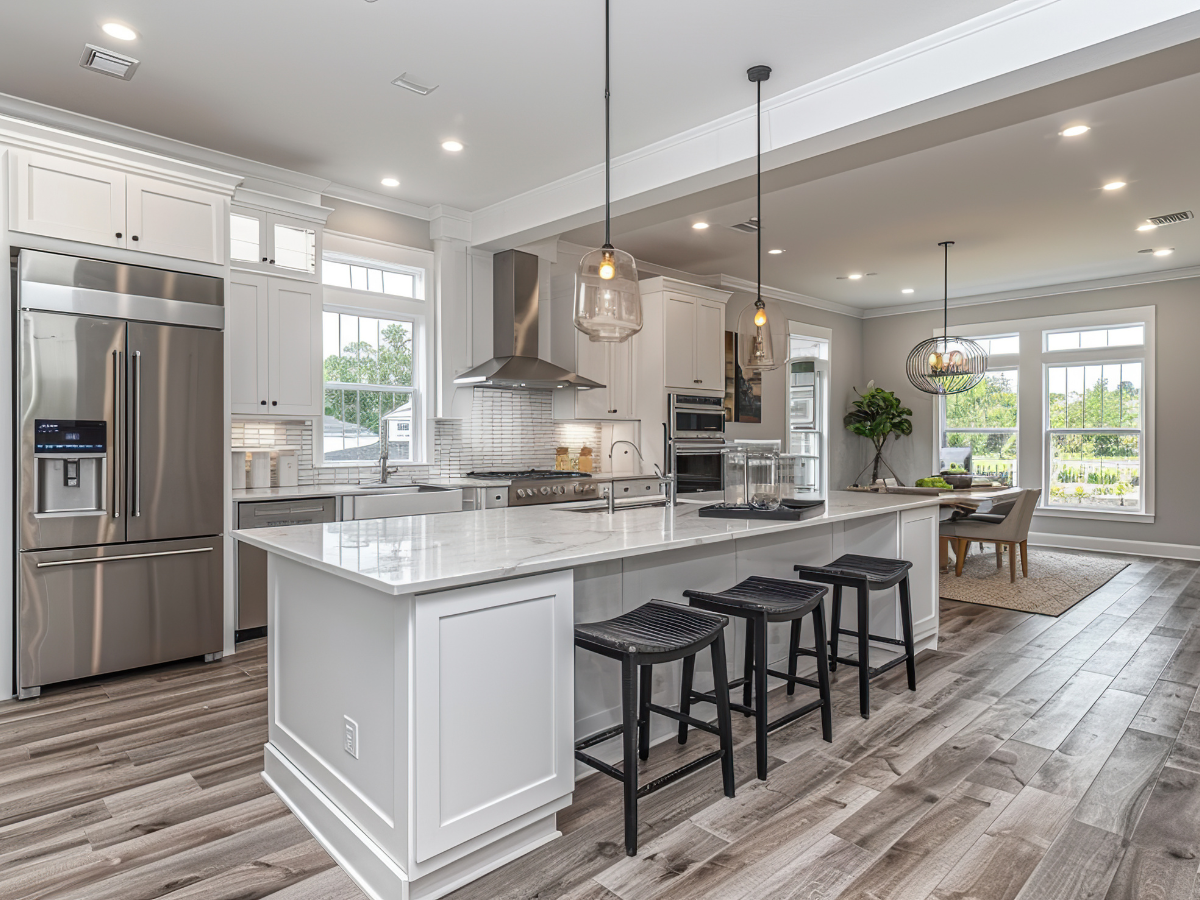
Lighting often gets overlooked in small kitchens, but it plays a big role in how the space feels and functions. The right setup can make a kitchen look more open, improve visibility while cooking, and reduce the need for bulky fixtures that take up visual space.
If you are trying to maximize space in your small kitchen today, upgrading your lighting is one of the simplest ways to make the room feel larger and more efficient without changing the layout.
Instead of relying on a single overhead light, a layered approach works much better in compact spaces. By combining different types of lighting, you can brighten key areas while also creating depth and balance throughout the room.
Using Task Lighting To Improve Daily Function
Task lighting is one of the most practical upgrades you can make in a small kitchen. These lights are designed to illuminate specific work areas such as countertops, sinks, and stovetops. Under-cabinet lighting is especially useful because it directs light exactly where you need it without taking up any additional space.
This kind of focused lighting makes food prep easier and safer, particularly in kitchens where natural light is limited. It also reduces shadows, which can make the workspace feel cramped or harder to use.
For homeowners looking to maximize space in your small kitchen today, task lighting adds function without adding clutter.
Creating Balance With Ambient Lighting
While task lighting handles specific jobs, ambient lighting provides overall brightness for the entire room. In a small kitchen, this is usually achieved with ceiling-mounted fixtures that distribute light evenly.
Choosing a fixture that offers soft, consistent light helps the space feel more open and comfortable. Harsh or uneven lighting can make a small kitchen feel tighter than it actually is.
On the other hand, well-placed ambient lighting creates a sense of balance and allows the room to feel more cohesive. Even something as simple as switching to brighter, energy-efficient bulbs can make a noticeable difference in how the kitchen looks and feels.
Adding Depth With Accent Lighting
Accent lighting is often used for style, but it also has practical benefits in smaller kitchens. Adding light to open shelves, glass cabinets, or display areas draws the eye upward and outward, which can make the room feel larger.
This type of lighting works well for highlighting certain features without overwhelming the space. For example, a soft glow inside a cabinet can add dimension and break up flat surfaces, giving the kitchen a more layered and inviting look.
Used thoughtfully, accent lighting can help create visual interest while still supporting the goal to maximize space in your small kitchen today.
Making Lighting Work For Your Space
The key to effective kitchen lighting is finding the right balance between function and simplicity. Too many fixtures can make the space feel busy, while too little light can make it feel closed in.
By combining task, ambient, and accent lighting in a way that suits your layout, you can improve both usability and comfort. Small adjustments, like adding under-cabinet lights or upgrading ceiling fixtures, often have a bigger impact than expected.
In a compact kitchen, every detail matters. Thoughtful lighting choices not only make the space easier to use, but also help it feel brighter, more open, and better suited to everyday life.
How Does The Remodeling Consultation Process Support Maximizing Small Kitchen Space?
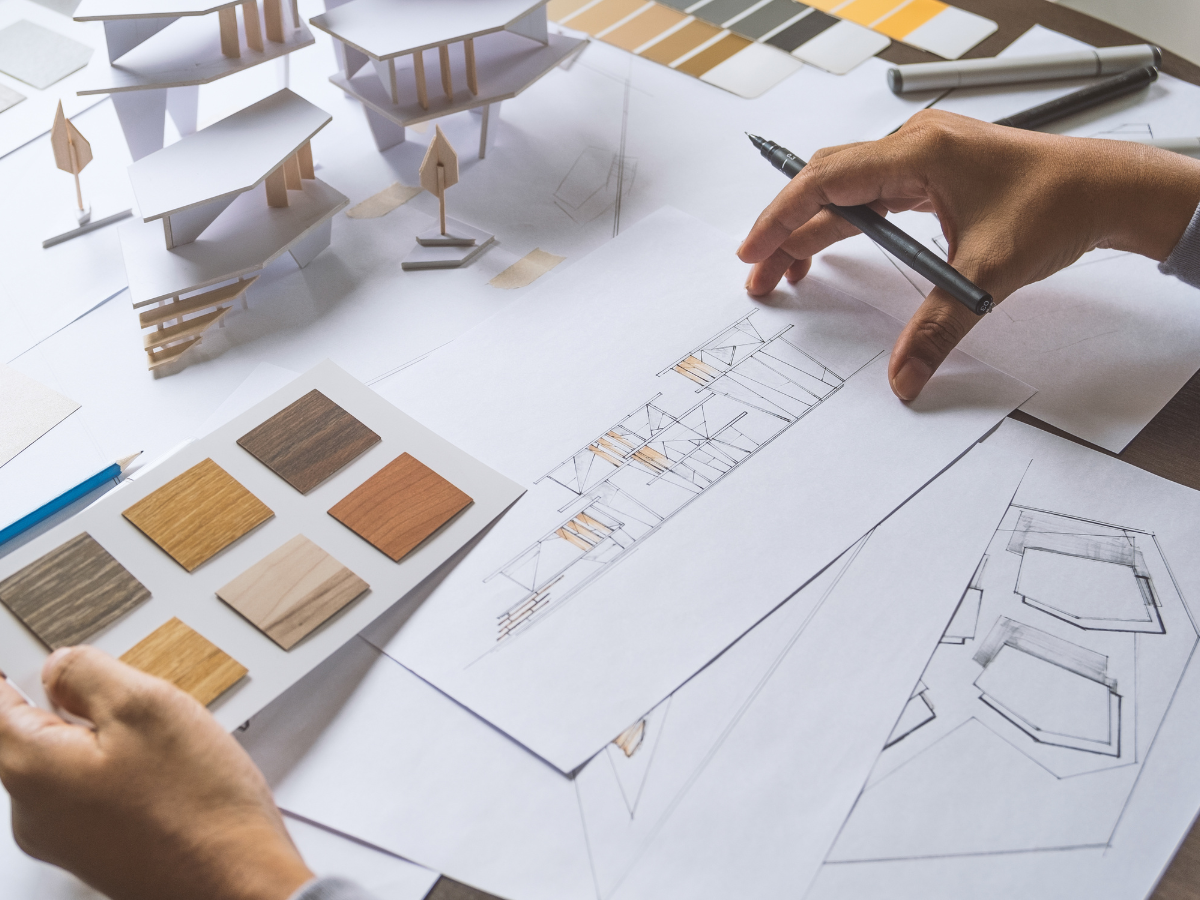
When you are trying to maximize space in your small kitchen today, the planning stage matters just as much as the final design. A remodeling consultation helps turn ideas into a clear, workable plan by focusing on how the space is actually used day to day.
Instead of guessing what might work, you get a structured approach that aligns your layout, storage, and style with your needs. During the initial conversation, a designer will usually ask about your cooking habits, storage challenges, and overall goals.
This helps identify what is not working in your current setup and where improvements can have the biggest impact. From there, layout planning begins, with a focus on flow, accessibility, and making better use of every inch.
Material selection comes later, ensuring that finishes not only look good but also support durability and ease of maintenance.
What To Expect During A Custom Kitchen Remodeling Consultation
A consultation is not just about picking cabinets or colors. It is a step-by-step process that builds a complete picture of your kitchen’s potential.
It typically starts with a detailed assessment of your existing layout. This includes looking at how appliances are positioned, where storage falls short, and how movement through the space could be improved.
From there, the discussion shifts toward layout optimization. Designers may suggest small but meaningful changes, such as adjusting cabinet placement, rethinking counter space, or improving how different zones connect. These ideas are grounded in practicality, not just aesthetics.
The final part of the process often involves outlining how the project will come together. This includes timelines, materials, and installation steps, giving you a realistic sense of what to expect.
For homeowners aiming to maximize space in your small kitchen today, this clarity can make the entire remodeling experience feel more manageable.
How Professional Design Services Improve Space Efficiency
Working with a professional brings a different level of insight that is hard to replicate on your own. Designers are trained to spot opportunities that are easy to miss, especially in small kitchens where space is limited and every detail matters.
They often begin by evaluating how your current setup is being used, then suggest adjustments that improve both storage and flow.
This might include introducing built-in organizers, reconfiguring cabinets, or incorporating features that serve more than one purpose. These solutions are tailored to your space, rather than relying on one-size-fits-all ideas.
Material selection is another area where professional input makes a difference. Choosing finishes that reflect light, create visual continuity, or reduce visual clutter can make a small kitchen feel more open.
These subtle decisions add up, helping you maximize space in your small kitchen today without needing to expand the footprint.
Turning Ideas Into A Practical Plan
One of the biggest advantages of a remodeling consultation is how it bridges the gap between ideas and execution. It takes abstract goals like “more storage” or “better flow” and turns them into specific, actionable changes.
Instead of approaching the project piece by piece, you end up with a cohesive plan that considers how everything works together. This not only improves the final result but also helps avoid costly adjustments later on.
In a small kitchen, thoughtful planning is what makes the difference between a space that feels cramped and one that feels efficient and comfortable. With the right guidance, even modest changes can have a lasting impact on how the kitchen looks and functions every day.
Frequently Asked Questions
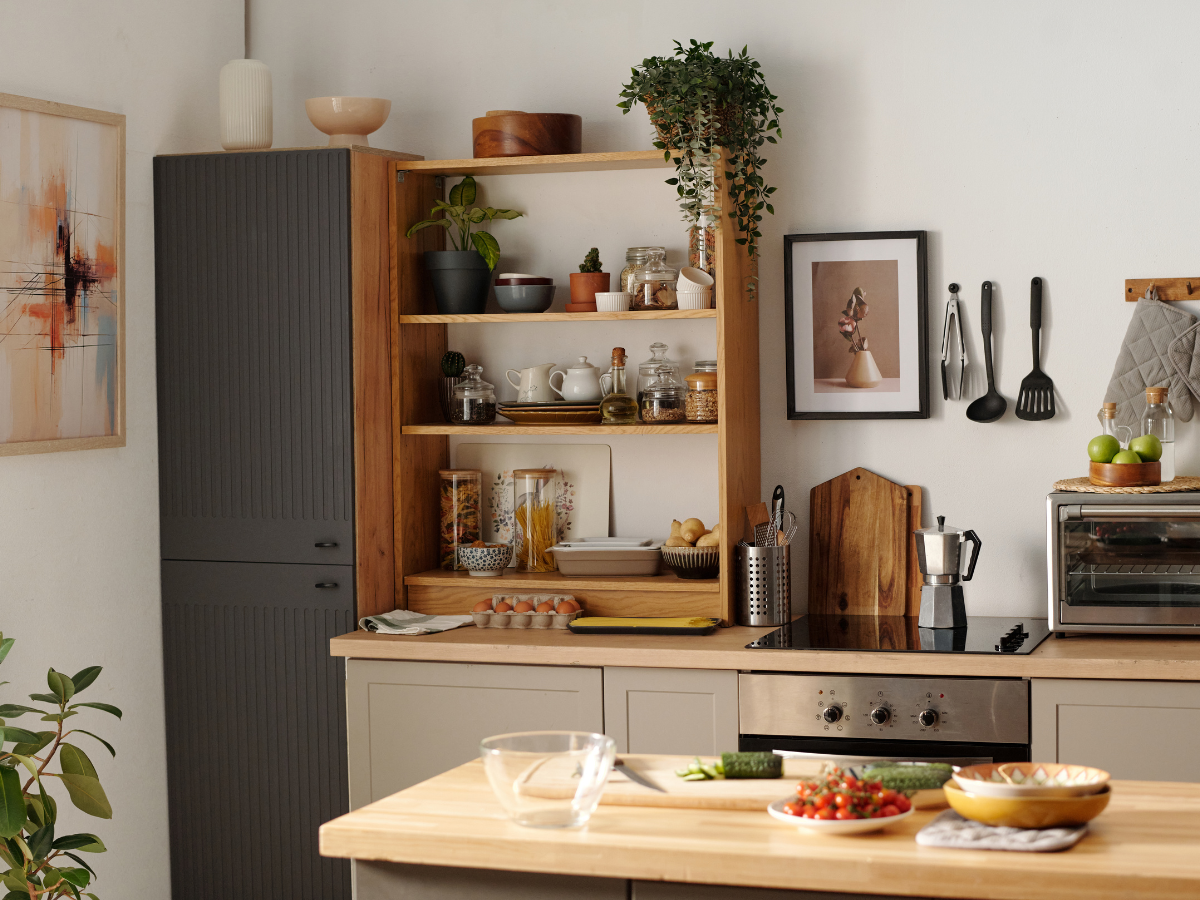
What Are Some Budget-Friendly Ways To Maximize Space In A Small Kitchen?
If you are trying to maximize space in your small kitchen today without spending much, small upgrades can go a long way.
Simple additions like baskets, repurposed crates, or wall hooks can instantly create extra storage where none existed before. Open shelving is another affordable option that keeps everyday items within reach while freeing up cabinet space.
Staying consistent with decluttering also makes a noticeable difference. When you regularly clear out items you no longer use, the kitchen naturally becomes easier to manage and feels less crowded.
How Can You Add Plants Without Taking Up Valuable Space?
Adding greenery to a small kitchen does not have to come at the cost of counter space. The key is to think vertically. Wall-mounted planters, slim vertical garden setups, or even a small row of herbs on a windowsill can bring life into the room without interfering with daily tasks.
Tiered plant stands are another option if you have a small corner to spare. These approaches allow you to enjoy plants while still working toward your goal to maximize space in your small kitchen today.
What Colors Make A Small Kitchen Feel Larger?
Color choices can completely change how a small kitchen feels. Lighter shades like white, soft gray, or pale pastels reflect more light, which helps the room appear more open. Keeping the palette simple also reduces visual clutter, making the space feel calmer and more cohesive.
You can still add personality through small accents, but keeping the main surfaces light and consistent helps create that open, airy effect many homeowners are after.
How Can You Organize Kitchen Drawers More Effectively?
Drawers tend to become cluttered quickly, especially in smaller kitchens. A simple way to improve this is by using organizers or dividers to separate items based on use. Grouping similar tools together makes it easier to find what you need without digging through everything.
Stackable containers can also help maximize vertical space inside drawers. Over time, removing items you rarely use keeps everything functional and prevents overcrowding.
What Are Smart Ways To Hide Appliances In A Small Kitchen?
Appliances can take up more visual and physical space than expected, but there are ways to keep them out of sight when not in use. Built-in appliances that match your cabinetry create a more streamlined look, while small appliance garages or cabinets with sliding doors can keep counters clear.
Even storing smaller items in baskets or designated cabinets can reduce clutter and make the kitchen feel more organized overall.
How Can You Improve Energy Efficiency In A Small Kitchen?
Improving efficiency is not just about saving energy, it also helps create a more comfortable space. Switching to energy-efficient appliances can reduce both power use and excess heat. LED lighting is another easy upgrade that brightens the room without adding to your energy bill.
Sealing gaps around windows and doors also helps maintain temperature, which is especially useful in compact spaces where heat and air can build up quickly.
What Mistakes Should You Avoid When Designing A Small Kitchen?
One of the most common mistakes is choosing oversized appliances or furniture that limits movement. In a small kitchen, every inch matters, so scale should always be considered.
Poor lighting is another issue that can make the space feel tighter than it is. Lastly, overlooking storage planning often leads to clutter later on. Taking the time to think through layout, lighting, and storage early helps avoid these problems and keeps the kitchen practical in the long run.
Conclusion
A small kitchen doesn’t have to feel cramped or limiting. With smart storage solutions—like pull-out shelves, vertical organizers, and multi-functional islands—and an efficient layout that prioritizes workflow, you can transform even the tiniest space into a highly functional, enjoyable heart of your home.
For expert kitchen design guidance and custom solutions that maximize every inch of your kitchen, trust Kitchen and Bath by Zeus. Ready to unlock your small kitchen’s full potential?
Call 404-602-2668 or fill out our online form to schedule your free consultation today. Let our team help you create a beautiful, efficient space that works perfectly for your lifestyle—no matter the size.