

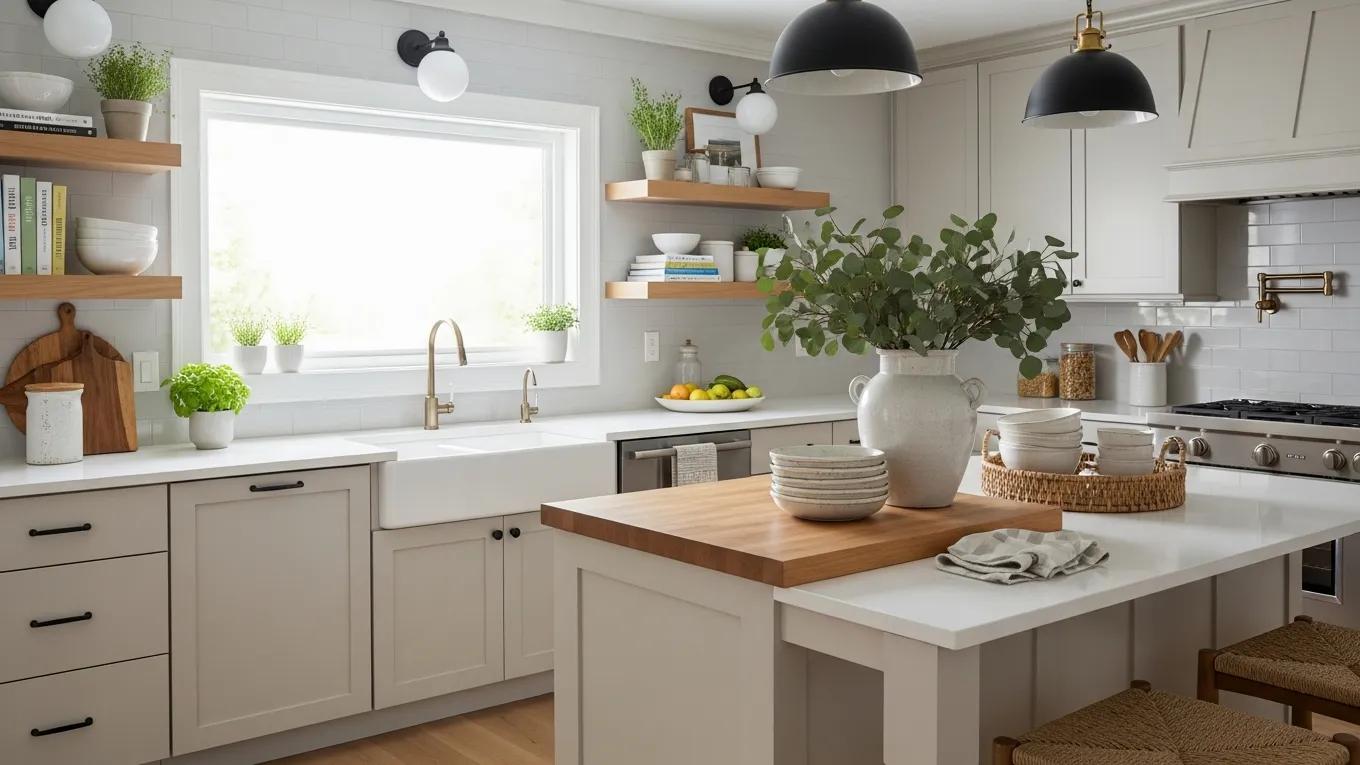
The kitchen is one of the most closely examined rooms during a home showing, and first impressions matter. Buyers often decide within moments whether a space feels clean, functional, and well-maintained.
A thoughtfully staged kitchen can help your home stand out and create a stronger emotional connection with potential buyers. Kitchen staging ideas that wow potential buyers focus on highlighting space, improving flow, and creating a polished atmosphere without making the room feel overly designed.
Small updates like decluttering surfaces, improving lighting, and adding subtle decorative touches can make the kitchen feel brighter and more inviting. With the right staging approach, you can showcase your kitchen’s best features, increase overall appeal, and help buyers picture themselves living in the home.
Kitchen Staging Ideas That Help Buyers Fall in Love
Kitchen Staging Basics That Attract Buyers
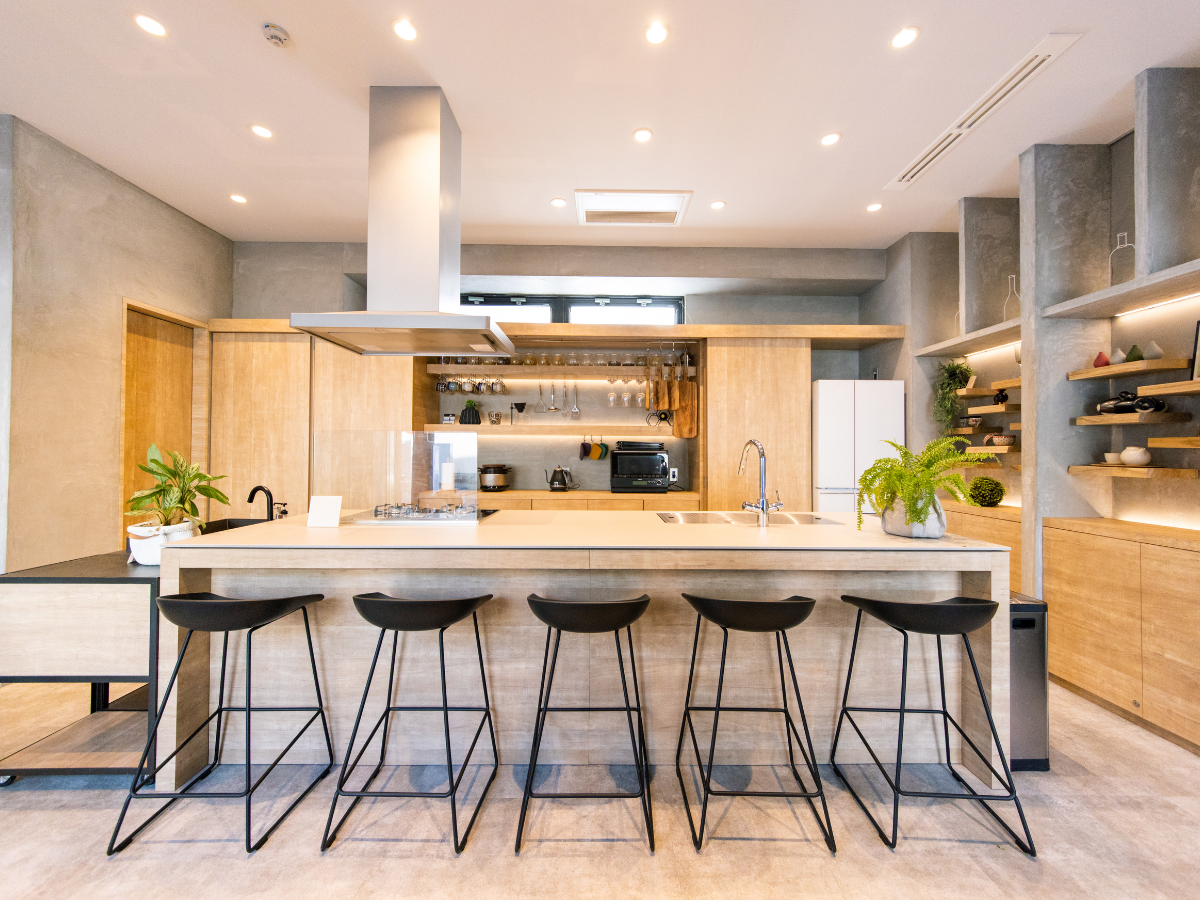
The kitchen is often one of the first spaces buyers evaluate when touring a home, which makes thoughtful presentation especially important. Effective staging ideas help buyers focus on the layout, storage, and functionality of the room instead of distractions like clutter, poor lighting, or overly personal décor.
A well-staged kitchen should feel clean, bright, and easy to imagine living in. Small adjustments can completely change how spacious and inviting the room appears during showings and listing photos.
What Are The Best Kitchen Staging Tips To Attract Buyers?
Some of the most effective staging ideas focus on simplicity and visual balance. Neutral paint colors are a strong starting point because they create a clean backdrop that appeals to a wider range of buyers.
Soft whites, warm grays, and light beige tones help the kitchen feel fresh while allowing architectural features and finishes to stand out.
Countertops should remain as clear as possible. Leaving too many appliances, decorations, or personal items visible can make the kitchen appear smaller and more crowded.
Instead, a few carefully selected accents, such as a bowl of fresh fruit, a small plant, or neatly folded kitchen towels, can add warmth without overwhelming the space.
Lighting also plays a major role in buyer perception. Bright, evenly lit kitchens tend to feel cleaner and more spacious. Opening window coverings, replacing dim bulbs, and using layered lighting can help create a more inviting atmosphere throughout the room.
Another important part of kitchen staging involves highlighting the room’s strongest features. If the home includes a large island, updated appliances, or attractive cabinetry, staging should direct attention toward those elements rather than distract from them.
How Does Decluttering Enhance Buyer Perception?
Decluttering is one of the most important staging ideas because it changes how buyers experience the space emotionally and visually. A cluttered kitchen often feels smaller, less functional, and more difficult to maintain.
Removing unnecessary items from countertops, shelves, and refrigerator surfaces immediately creates a cleaner appearance. Buyers are better able to focus on storage space, workflow, and layout when visual distractions are minimized.
Cabinets and pantry spaces should also be organized because buyers frequently open storage areas during home tours. Overstuffed cabinets can suggest that the kitchen lacks adequate storage, even if the room itself is a reasonable size.
Depersonalizing the kitchen is equally important. Family photos, children’s artwork, magnets, and highly specific décor styles can make it harder for buyers to picture themselves living in the home. Neutral, simplified staging ideas create a more universally appealing environment.
Which Lighting And Color Schemes Maximize Kitchen Appeal?
Lighting and color work together to shape the overall mood of the kitchen. Natural light is especially valuable because it makes the room feel larger, cleaner, and more welcoming.
Whenever possible, window coverings should remain open during showings to allow sunlight into the space. If natural light is limited, layered artificial lighting can help maintain brightness without making the room feel harsh.
Under-cabinet lighting, pendant lights, and recessed ceiling fixtures all contribute to a more balanced look. Combining different light sources creates depth and improves visibility throughout the kitchen.
Color choices also influence how buyers perceive the room. Neutral palettes remain among the most effective staging ideas because they appeal to a broader audience and help reflect available light more effectively.
Light-colored walls, backsplashes, and countertops can make smaller kitchens feel more open, while darker finishes may work better as accents rather than dominant features.
What Are The Key Elements To Consider When Staging A Kitchen?
Successful kitchen staging focuses on cleanliness, functionality, and flow. Buyers want to see a space that feels easy to use and well cared for.
Sinks should be spotless, appliances should be polished, and surfaces should appear clean and organized. Even small maintenance issues, such as loose cabinet handles, stained grout, or chipped paint, can negatively affect first impressions during a showing.
Traffic flow is another important consideration. Furniture, stools, or decorative items should not block movement through the kitchen. Open pathways help the room feel larger and more functional.
Among the most effective staging ideas are those that subtly suggest lifestyle and comfort without making the room feel overly designed or artificial.
How Can I Make My Kitchen Feel More Spacious During Staging?
Creating the illusion of space is one of the most common goals in kitchen staging. Keeping countertops mostly empty is one of the simplest and most effective ways to achieve this.
Reflective surfaces such as glass, stainless steel, and glossy finishes can also help bounce light throughout the room and create a brighter appearance. Strategic lighting placement further enhances this effect.
Removing bulky rugs, oversized furniture, or unnecessary decorations can improve visual openness and help buyers better appreciate the layout itself.
Thoughtful staging ideas do not require a complete remodel. In many cases, careful organization, improved lighting, and a more neutral presentation are enough to make the kitchen feel larger, cleaner, and more appealing to potential buyers.
Kitchen Remodeling Ideas And High-ROI Updates
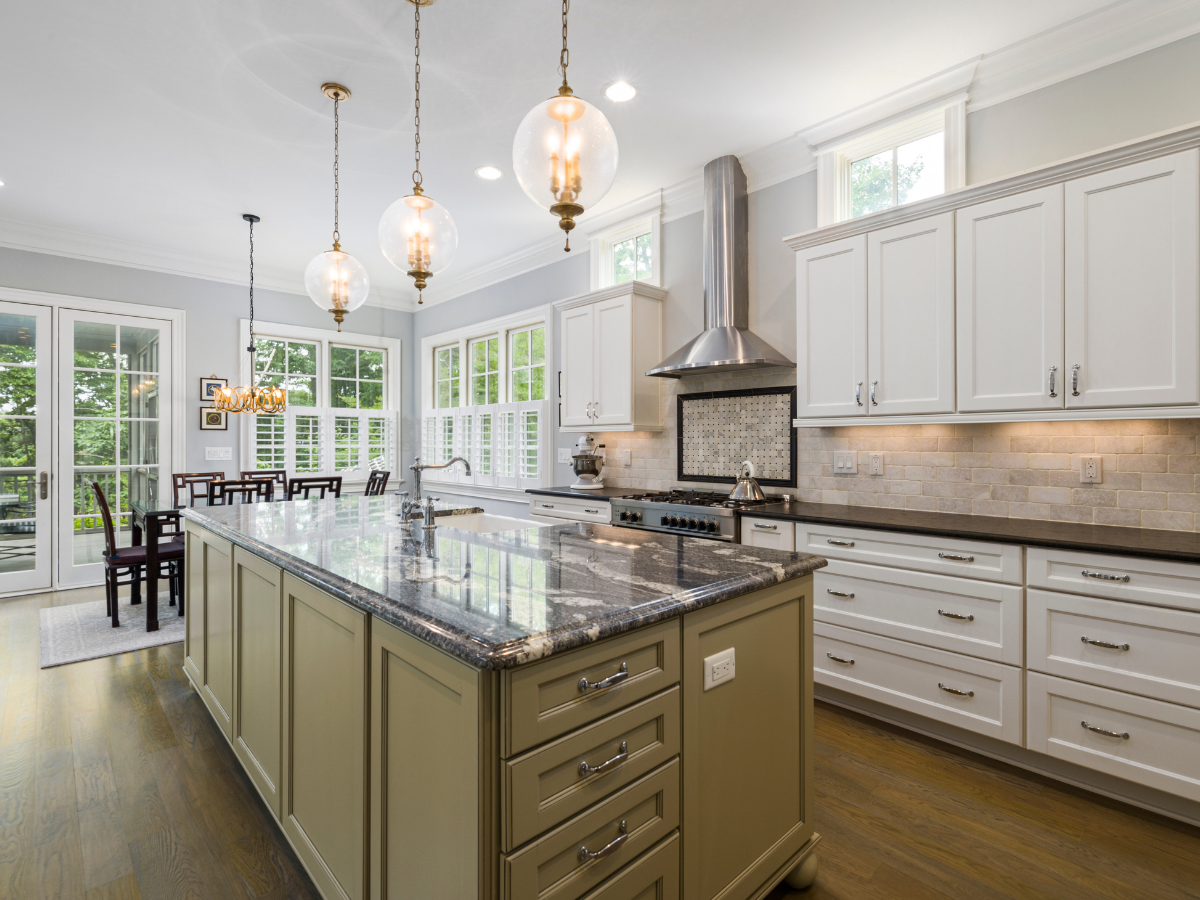
When preparing a home for sale, the kitchen is often one of the most influential spaces in the entire property. Buyers pay close attention to layout, storage, finishes, and overall condition, which is why thoughtful updates can make a significant difference in both perceived value and market appeal.
The good news is that impactful improvements do not always require a complete renovation. Many effective staging ideas focus on smaller upgrades that improve appearance, functionality, and flow without requiring a massive investment.
Strategic updates can help the kitchen feel newer, cleaner, and more aligned with what buyers expect in today’s market.
Which Kitchen Remodeling Ideas Boost Home Value For Sale?
The most valuable kitchen upgrades are usually the ones buyers immediately notice during showings and listing photos. Bright, clean, and functional kitchens consistently leave stronger impressions than outdated or heavily personalized spaces.
One of the simplest yet most effective staging ideas is decluttering. Removing unnecessary appliances, paperwork, decorative items, and overcrowded shelving instantly makes the kitchen appear larger and more organized. Buyers are able to focus on the actual features of the room rather than distractions.
Lighting updates also offer a strong visual impact. Replacing outdated fixtures with modern pendant lights, recessed lighting, or updated ceiling fixtures can make the space feel more current without requiring major construction.
Better lighting also improves photography for online listings, which plays a major role in attracting buyers. Refreshing surfaces is another high-return strategy.
Repainting cabinets, updating hardware, refinishing worn surfaces, or installing new backsplashes can dramatically improve the look of the kitchen while keeping costs manageable.
Many homeowners combine these practical remodeling choices with simple staging ideas to create a space that feels move-in ready without overinvesting before selling.
What Affordable Kitchen Upgrades Offer The Highest Return On Investment?
Affordable upgrades tend to perform best when they improve visual cleanliness and functionality at the same time. Buyers notice details such as worn cabinet handles, faded paint, stained grout, or outdated fixtures more than many sellers realize.
Painting cabinets is one of the most budget-friendly ways to modernize a kitchen. White, soft gray, or warm neutral tones often help brighten the room and create a cleaner overall appearance.
Swapping outdated knobs and handles for modern hardware can also make older cabinetry feel more updated without replacing the cabinets entirely.
Countertops are another area where smaller improvements can go a long way. If full replacement is not realistic, resurfacing or repairing damaged areas may still improve buyer perception.
Among the most practical staging ideas is creating more visual openness. Removing bulky furniture, oversized décor, or excess countertop appliances helps buyers better appreciate the layout and available workspace.
Simple cosmetic updates often produce stronger returns than highly customized renovations because they appeal to a wider audience.
How Can Custom Cabinetry And Countertops Influence Buyer Interest?
Cabinetry and countertops are usually among the first features buyers evaluate in a kitchen. Their condition, style, and layout strongly influence how modern and functional the room feels.
Custom cabinetry can improve storage efficiency and help maximize awkward spaces, which adds practical value for buyers. Features such as deep drawers, pull-out shelves, and built-in organizers often stand out during home tours because they make everyday use feel easier and more convenient.
Countertops also contribute heavily to first impressions. Durable materials with clean finishes tend to increase perceived quality throughout the kitchen. Even in smaller kitchens, updated counters can make the entire room feel more polished and cohesive.
At the same time, it is important to balance upgrades with the overall value of the home and neighborhood. Overly expensive renovations may not always deliver the strongest return if they exceed what buyers expect for the local market.
Smart staging ideas work best when paired with thoughtful remodeling choices that improve both appearance and practicality. Buyers are typically looking for kitchens that feel clean, functional, and easy to maintain rather than overly customized or trend-driven.
Why Functionality Matters Alongside Appearance
While visual appeal is important, buyers also pay attention to how the kitchen functions on a daily basis. Poor layouts, insufficient lighting, or limited storage can affect buyer confidence even if the finishes look attractive.
That is why the most successful staging ideas often focus on creating balance. A kitchen should feel visually appealing while still remaining practical and comfortable to use.
Small improvements such as better lighting placement, improved storage organization, and clearer walking paths can make the entire room feel more functional during showings.
When buyers can easily picture themselves cooking, entertaining, or spending time in the space, the kitchen becomes far more memorable and marketable.
Kitchen Decor, Appliances, And Feature Staging
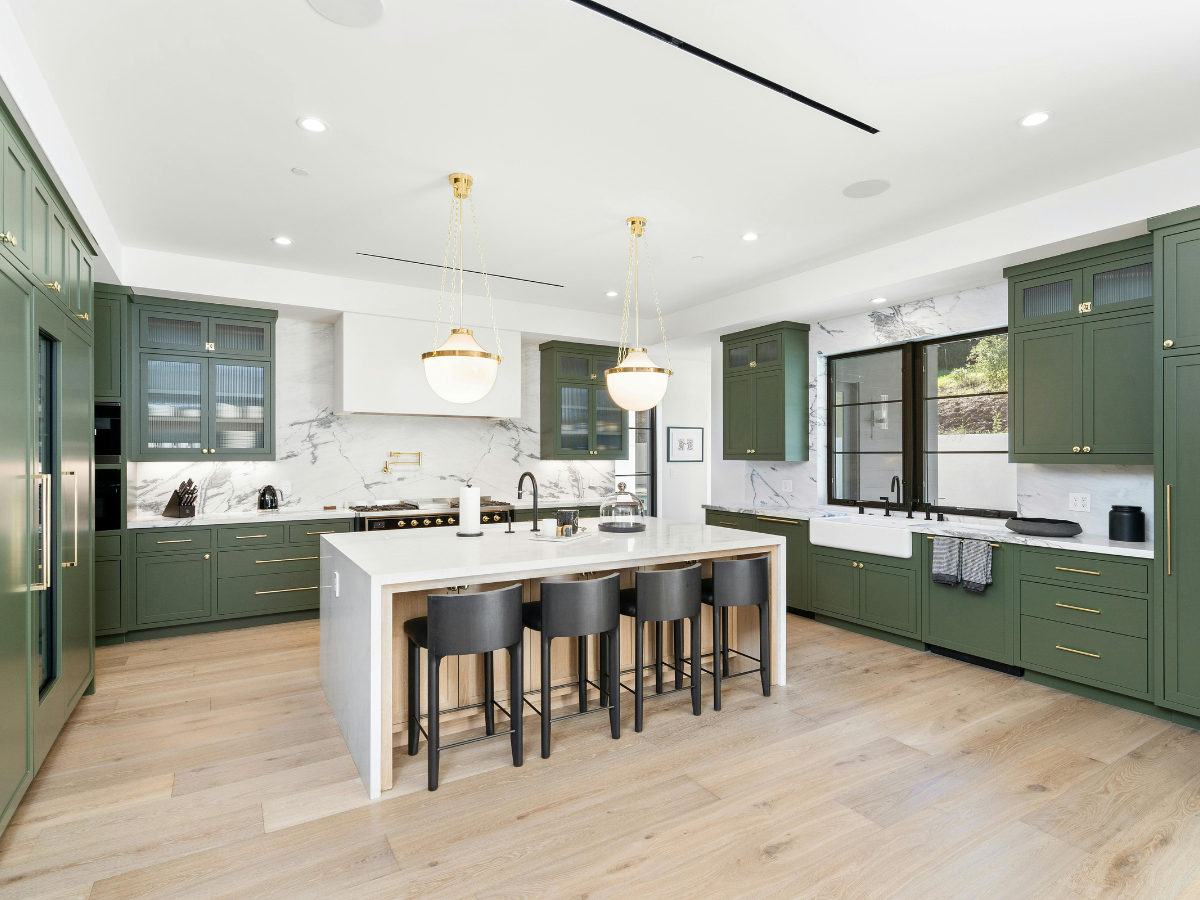
The way a kitchen is styled can strongly influence how buyers feel about the entire home. While layout and finishes matter, presentation often shapes the emotional response buyers have during a showing. Clean, coordinated spaces tend to feel more valuable, better maintained, and easier to imagine living in.
Effective staging ideas focus on creating a kitchen that feels warm, functional, and visually balanced without appearing overly decorated. The goal is not to impress buyers with bold design choices, but to help them picture how the space could fit into their own daily routine.
How Do Kitchen Decor Ideas Help Sell Your Home Faster?
Thoughtful kitchen decor can help a property stand out in listing photos and during in-person tours. Buyers are often drawn to kitchens that feel bright, organized, and inviting rather than crowded or overly personalized.
Simple staging ideas such as neutral accessories, updated cabinet hardware, and coordinated finishes can instantly refresh the room without requiring a major remodel. Even small decorative details like a bowl of fresh fruit, neatly folded kitchen towels, or a simple centerpiece can make the space feel more welcoming.
Color also plays an important role. Soft neutrals and subtle textures generally appeal to a wider audience because they create a calm, clean appearance. Overly bold decor or highly personal design themes can distract buyers from the kitchen itself.
The most effective staging ideas support the architecture and layout of the room rather than competing with them.
What Appliance And Countertop Staging Techniques Impress Buyers?
Buyers pay close attention to countertops and appliances because these features often signal how well the kitchen has been maintained. Cleanliness and organization matter just as much as the actual materials or appliance brands.
One of the most important staging techniques is keeping countertops mostly clear. Too many small appliances, containers, or decorations can make the kitchen feel cramped and reduce the sense of available workspace. Instead, leaving open counter space helps buyers better understand the room’s functionality.
Appliances should also look spotless and well cared for. Stainless steel surfaces should be polished, refrigerator doors cleared of magnets or papers, and sinks left empty during showings. These details may seem minor, but they contribute to the overall impression of cleanliness and upkeep.
Organized storage areas can also leave a strong impression. Buyers frequently open cabinets and pantry doors during tours, so neatly arranged storage can make the kitchen feel more spacious and efficient.
What Role Does Kitchen Decor Play In Attracting Buyers?
Kitchen decor helps shape the atmosphere of the room and influences how buyers emotionally respond to the home. A kitchen that feels balanced and comfortable is often easier for buyers to connect with compared to one that feels empty or overly styled.
Well-placed decor can soften hard surfaces and make the space feel lived in without appearing cluttered. Light greenery, subtle textures, and warm lighting often help kitchens feel more inviting while still maintaining a clean presentation.
At the same time, moderation is important. Too many decorative pieces can overwhelm smaller kitchens and distract from the room’s best features. Successful staging ideas focus on simplicity, allowing the layout, cabinetry, and finishes to remain the focal points.
How Can I Effectively Highlight My Kitchen’s Best Features During Staging?
Every kitchen has certain features worth emphasizing, whether it is a large island, upgraded countertops, custom cabinetry, or modern appliances. Good staging draws attention to these strengths naturally.
Lighting is one of the most effective tools for highlighting focal points. Under-cabinet lighting, pendant fixtures, or carefully positioned accent lighting can help important features stand out while creating a warmer atmosphere overall.
Furniture and decor placement also affect visual flow. Keeping sightlines open allows buyers to immediately notice premium details when they walk into the room. Removing oversized furniture or unnecessary accessories can make islands and workspaces feel larger and more functional.
Among the most practical staging ideas is creating visual balance throughout the kitchen. When decor, lighting, storage, and layout work together cohesively, the space feels more polished and easier for buyers to imagine as part of their everyday life.
Sustainable And Smart Kitchen Features
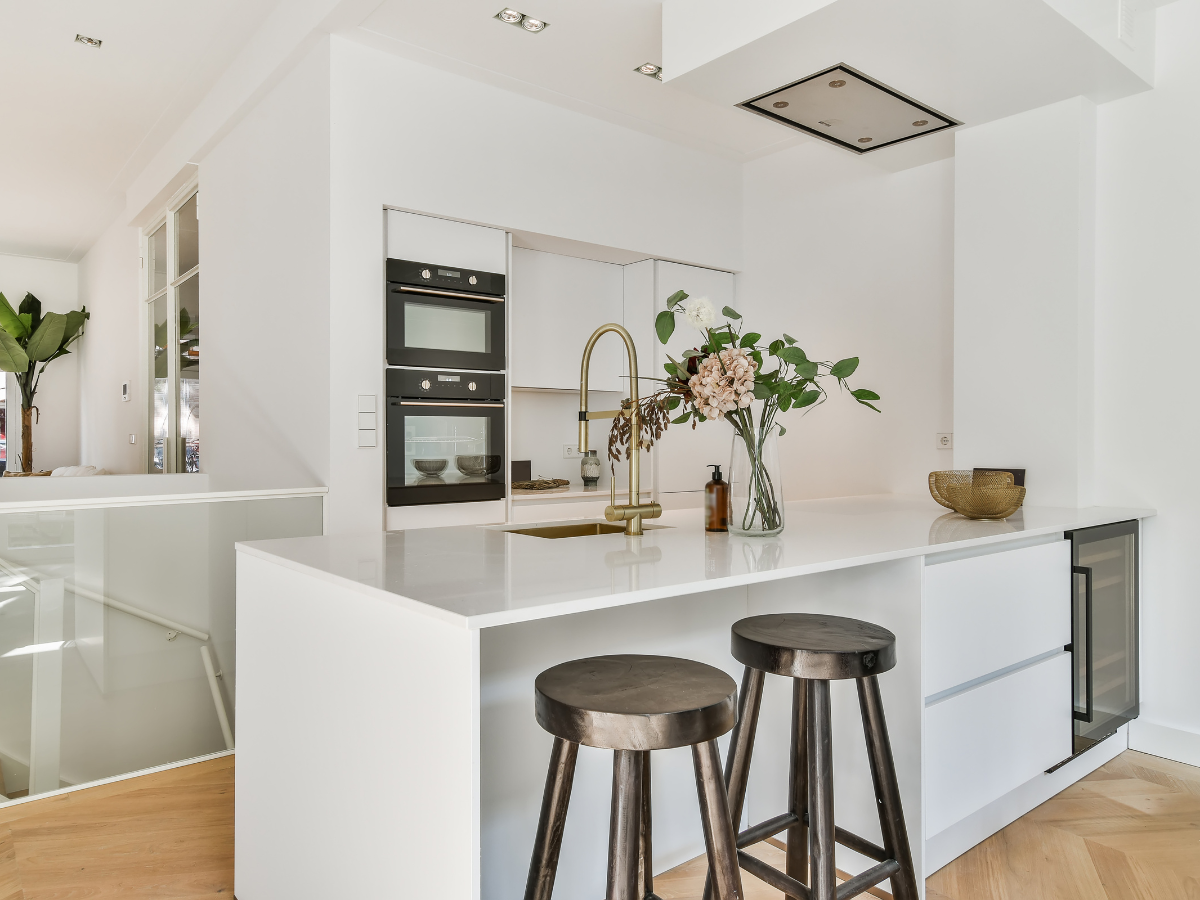
Modern buyers are paying closer attention to how a kitchen functions beyond its appearance alone. While style still matters, many homeowners now value efficiency, convenience, and long-term operating costs just as much as updated finishes.
As a result, sustainable upgrades and smart technology have become increasingly useful staging ideas when preparing a home for sale.
A kitchen that feels modern, efficient, and easy to maintain can appeal to a broader range of buyers. Features that reduce energy use or simplify everyday tasks often create added value because they support both practicality and lifestyle convenience.
How Does Sustainable And Smart Kitchen Technology Add Value?
Energy-efficient kitchens are attractive to buyers because they suggest lower utility costs and more thoughtful home maintenance. Appliances with high energy ratings, LED lighting, and water-saving fixtures all contribute to a kitchen that feels current and cost-conscious.
Even relatively small upgrades can make a difference. Replacing outdated light fixtures with LED options, installing touchless faucets, or upgrading to energy-efficient appliances can improve both functionality and presentation during showings.
Smart technology also continues to influence buyer expectations. Features such as smart lighting controls, programmable appliances, and voice-activated systems help create a kitchen that feels more connected and convenient.
These additions may not always be the deciding factor in a sale, but they can help a property stand out in competitive markets.
Many staging ideas now incorporate subtle technology upgrades because buyers increasingly associate them with modern living. A smart thermostat, under-cabinet lighting with dimmer controls, or app-connected appliances can make the entire kitchen feel more updated without requiring a full remodel.
Why Sustainable Materials Appeal To Modern Buyers
Sustainability is becoming more important to many homeowners, especially buyers looking for long-term value. Materials that are durable, responsibly sourced, or environmentally friendly often create a stronger impression because they suggest quality and longevity.
Countertops made from recycled materials, sustainably sourced wood cabinetry, or low-VOC paint finishes can all contribute to a kitchen that feels healthier and more environmentally conscious.
At the same time, buyers generally want sustainability to feel practical rather than overly specialized. The best staging ideas combine eco-friendly features with everyday usability.
Durable surfaces, efficient lighting, and low-maintenance materials tend to resonate most strongly because they balance environmental awareness with convenience.
Are There Specific Trends In Kitchen Staging That I Should Be Aware Of?
Kitchen staging trends continue to shift toward cleaner layouts, warmer finishes, and more functional spaces. Buyers are increasingly drawn to kitchens that feel comfortable and lived-in while still remaining uncluttered and polished.
One growing trend involves creating a more natural and inviting atmosphere through layered lighting, subtle textures, and organic materials. Warm wood tones, soft neutral colors, and simple decorative accents often photograph well and help the kitchen feel approachable rather than overly staged.
Another important trend is flexibility. Buyers appreciate kitchens that appear adaptable for cooking, entertaining, remote work, or casual dining.
Small staging ideas, such as adding barstools to an island or creating a simple coffee station, can help buyers visualize different ways the space can be used.
Technology integration is also becoming more common in kitchen staging. Highlighting charging stations, smart appliances, or energy-efficient systems can help reinforce the idea that the kitchen supports modern living.
Balancing Innovation With Broad Buyer Appeal
While modern upgrades can increase buyer interest, it is important not to overcomplicate the space with highly specific trends or excessive technology. The most effective staging ideas create a kitchen that feels updated without becoming too personalized or difficult to maintain.
Buyers typically respond best to kitchens that feel bright, functional, and easy to live in. Sustainable materials and smart features work best when they blend naturally into the overall design rather than dominating it.
By combining efficiency, comfort, and clean presentation, homeowners can create a kitchen that appeals to both practical concerns and emotional first impressions during the selling process.
Kitchen Remodel Consultations And Project Planning
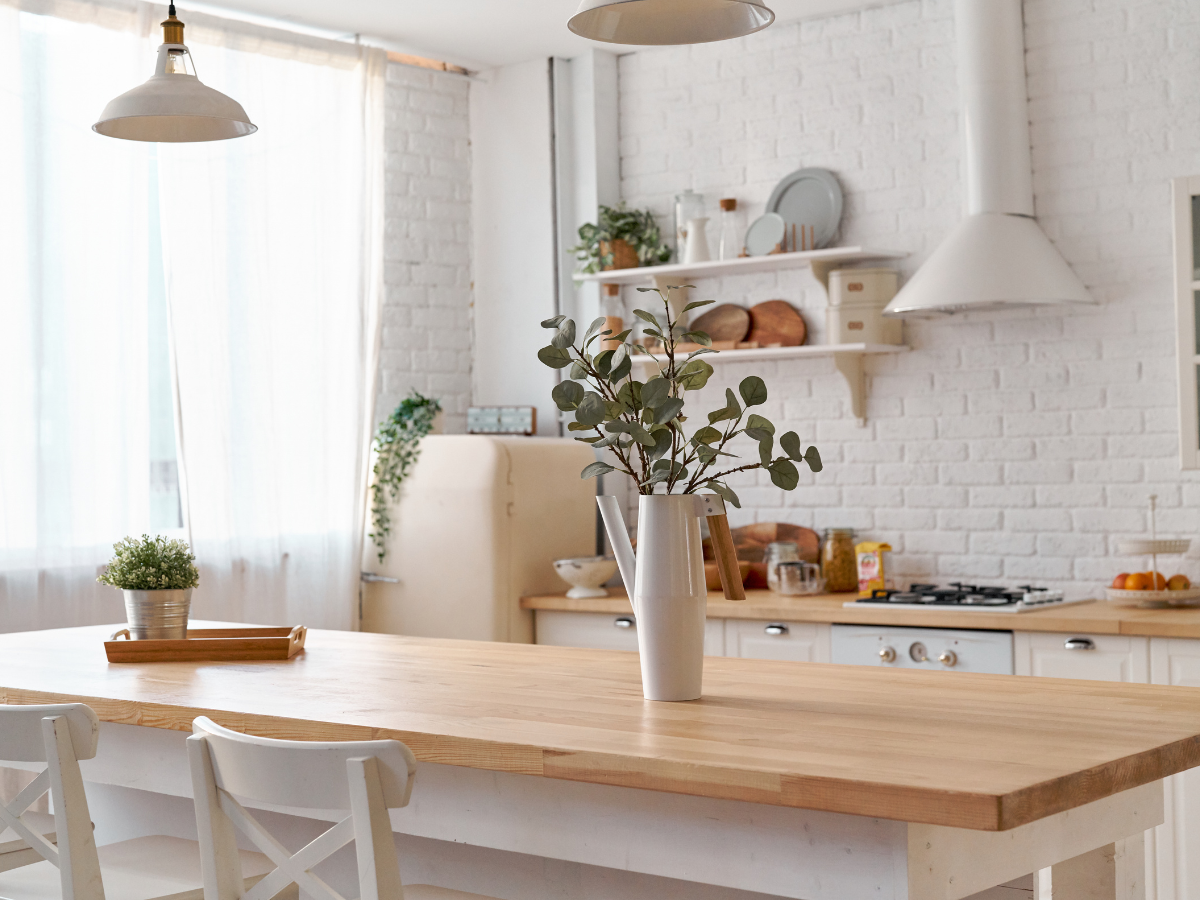
Planning a kitchen remodel before listing a home can help sellers focus their budget on upgrades that actually influence buyer interest. While some homeowners jump directly into renovations, taking time to create a clear plan often leads to better results, fewer delays, and more effective staging ideas overall.
A consultation with a remodeling professional can provide valuable direction, especially when deciding which improvements are worth prioritizing. Kitchens are one of the most closely evaluated spaces in a home sale, so thoughtful planning can make a noticeable difference in both presentation and resale value.
When And How Should You Schedule A Kitchen Remodel Consultation?
It is best to schedule a kitchen remodel consultation well before putting the home on the market. Early planning gives homeowners enough time to compare options, gather estimates, and complete updates without rushing through important decisions.
Before the consultation, it helps to collect inspiration photos, make a list of concerns, and identify the areas of the kitchen that feel outdated or less functional. Some homeowners may want to improve storage, while others may focus more on lighting, layout, or cosmetic upgrades.
Bringing a realistic budget to the conversation is equally important. A professional can help determine which updates are likely to provide the strongest return without overspending on unnecessary renovations.
Many successful staging ideas begin during the planning phase because the remodel and staging processes often work together. Decisions about lighting, cabinetry, paint colors, and layout all affect how the kitchen will eventually be presented to buyers.
What Are The Benefits Of Professional Remodeling Consultations?
One of the biggest benefits of working with remodeling professionals is gaining an outside perspective. Homeowners often become accustomed to the flaws or limitations of their kitchen, while professionals can quickly identify areas that may impact buyer perception.
A consultation can also provide valuable insight into current market preferences. Design trends and buyer expectations change over time, and experienced remodelers understand which updates are most appealing in the local market.
Professionals can help prioritize improvements based on budget, timeline, and overall home value. Instead of recommending a full renovation in every situation, many consultants focus on practical upgrades that improve both appearance and functionality.
This guidance is especially useful when balancing remodeling decisions with staging ideas. Some kitchens benefit more from cosmetic improvements and better presentation rather than expensive structural changes.
Another advantage is project coordination. Remodeling professionals can often help streamline timelines, recommend trusted contractors, and prevent common design mistakes that may delay the selling process.
How To Prepare For Your Kitchen Remodeling Project?
Preparation plays a major role in keeping a kitchen remodel organized and manageable. Before any work begins, homeowners should clearly identify what they want to improve and how those updates support the overall goal of selling the home.
Start by evaluating the current condition of the kitchen. Outdated lighting, worn countertops, limited storage, or poor traffic flow are common areas that buyers notice quickly during showings.
Creating a realistic budget early in the process helps prevent overspending. Some upgrades provide a much stronger return than others, so it is important to focus on improvements that support both functionality and buyer appeal.
Scheduling consultations early also gives homeowners time to gather materials, compare finishes, and coordinate timelines more effectively. Delays often happen when decisions are made too late in the process.
Thoughtful staging ideas should also be considered alongside remodeling plans. For example, selecting lighter paint colors, improving lighting placement, or simplifying cabinet hardware can support a cleaner and more marketable final presentation.
Why Planning Matters For Buyer Appeal
Kitchen remodeling projects tend to be more successful when they combine careful planning with realistic expectations. Buyers generally respond best to kitchens that feel clean, functional, and updated without appearing overly customized.
The most effective staging ideas work hand in hand with remodeling decisions by helping sellers highlight the kitchen’s strengths while minimizing distractions. When layout, lighting, finishes, and presentation all feel cohesive, the kitchen becomes one of the strongest selling points in the home.
Professional guidance can help homeowners focus on the improvements that matter most, creating a kitchen that photographs well, shows well, and appeals to a wide range of buyers.
Common Kitchen Staging Mistakes To Avoid
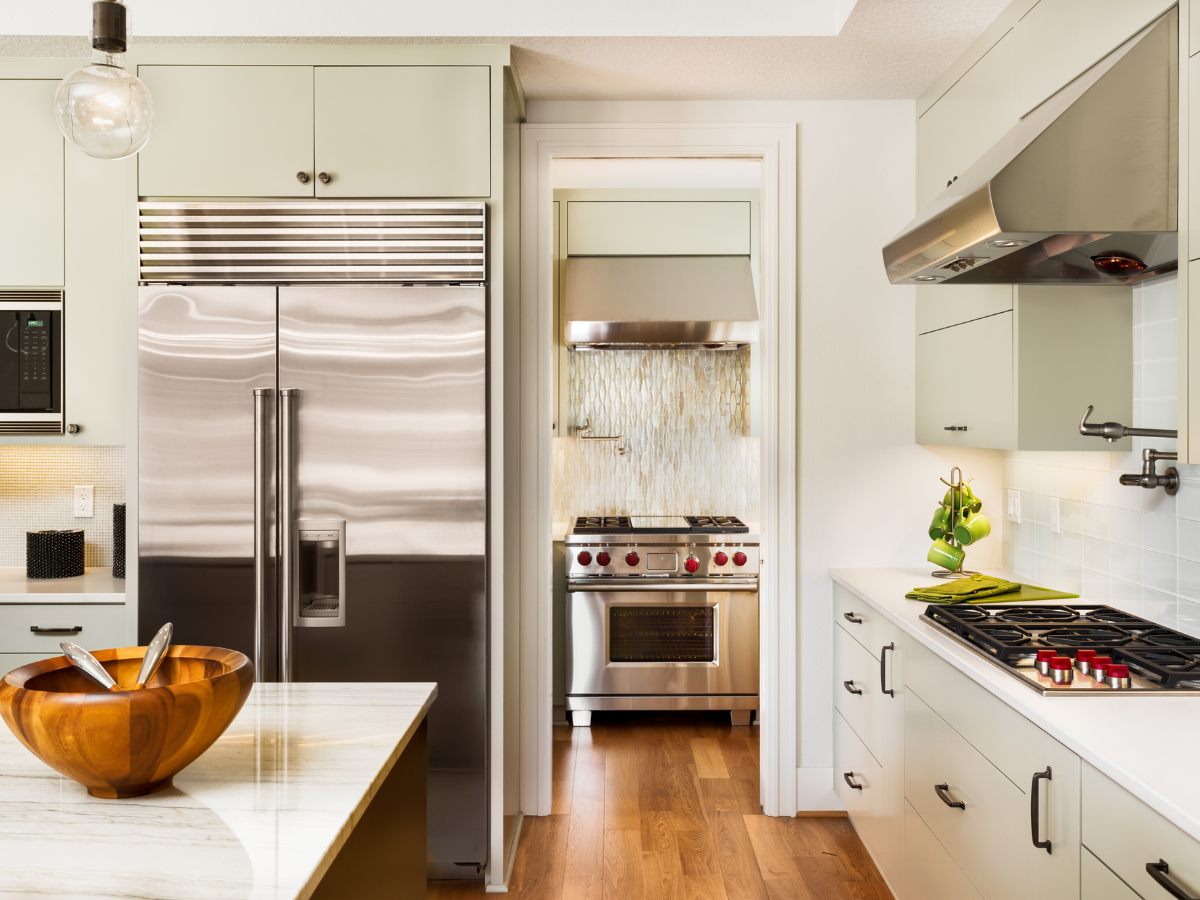
Even small staging mistakes can affect how buyers perceive a kitchen during a showing. While most homeowners focus on adding attractive touches, avoiding common problems is often just as important.
Buyers tend to notice clutter, poor lighting, outdated finishes, and signs of neglect very quickly, especially in kitchens where cleanliness and functionality matter so much.
The most effective staging ideas create a kitchen that feels open, organized, and easy to maintain. When the space feels overly personalized or visually overwhelming, buyers may struggle to picture themselves living there.
What Are Some Common Mistakes To Avoid When Staging A Kitchen?
One of the most common mistakes is leaving too much clutter on countertops. Small appliances, paperwork, decorative collections, and crowded storage areas can make even large kitchens feel smaller and less functional.
Clear surfaces help buyers focus on the kitchen’s layout, workspace, and storage potential instead of distractions. Overpersonalizing the space is another issue that can limit buyer appeal.
Bold décor themes, family photos, brightly colored accessories, or highly specific design choices may reflect the homeowner’s personality, but they can make it harder for buyers to emotionally connect with the home. Neutral styling generally works better because it allows the kitchen to appeal to a wider audience.
Ignoring maintenance issues can also hurt first impressions. Buyers often notice dripping faucets, chipped paint, stained grout, burned-out light bulbs, or damaged cabinet hardware immediately.
These small details can create the impression that the home has not been properly maintained, even if the larger systems are in good condition.
Among the most overlooked staging ideas is proper lighting. Dim kitchens tend to feel smaller and less inviting, particularly during evening showings or cloudy days.
Replacing outdated fixtures, increasing bulb brightness where appropriate, and maximizing natural light can dramatically improve the atmosphere of the room.
Why Overstaging Can Be A Problem
While presentation matters, adding too many decorative elements can make the kitchen feel artificial or crowded. Buyers want the space to feel welcoming, but they also want to clearly see the countertops, cabinetry, appliances, and available workspace.
Overdecorating islands, covering every surface with accessories, or adding excessive seasonal décor can distract from the kitchen itself. The best staging ideas use restraint and focus on balance rather than filling every empty area.
Simple touches often work best. A clean bowl of fruit, fresh flowers, or neatly arranged bar stools can make the kitchen feel warm without overwhelming the room.
How Poor Layout Decisions Affect Buyer Perception
Furniture placement and traffic flow play a major role in how spacious a kitchen feels. Oversized stools, unnecessary furniture, or blocked walkways can make movement through the space feel awkward during showings.
Buyers often tour several homes in a short period of time, so kitchens that feel cramped or difficult to navigate can leave a negative impression quickly.
Good staging ideas prioritize openness and flow. Keeping pathways clear and arranging furniture to support natural movement through the room helps the kitchen feel larger and more functional.
Why Cleanliness Matters More Than Décor
No amount of decorating can compensate for a kitchen that feels dirty or neglected. Buyers tend to associate kitchen cleanliness with overall home maintenance, which is why deep cleaning is one of the most important steps in the staging process.
Appliances should be polished, sinks should be spotless, and floors should be free from stains or debris. Odors from cooking, trash, or pets should also be addressed before showings.
Effective staging ideas focus on creating a clean foundation first, then adding subtle details that enhance the overall presentation. Buyers are far more likely to respond positively to a kitchen that feels fresh, bright, and well cared for than one overloaded with decorative features.
Creating A Kitchen That Appeals To Buyers
The goal of kitchen staging is not to create a showroom that feels untouchable. Instead, it should help buyers imagine everyday life in the space.
Avoiding clutter, excessive personalization, poor lighting, and visible repairs allows the kitchen’s best features to stand out naturally. When thoughtful staging ideas are combined with cleanliness, functionality, and balanced design, the kitchen becomes more inviting and memorable to potential buyers.
Conclusion
A well-staged kitchen can make a lasting impression on potential buyers by helping the space feel clean, functional, and welcoming.
Simple improvements like decluttering countertops, updating lighting, enhancing storage areas, and incorporating thoughtful design details can help highlight your kitchen’s best features and increase overall buyer appeal.
Whether you are preparing your home for the market or planning a larger kitchen upgrade, working with experienced professionals can help maximize the value and presentation of your space.
For expert kitchen remodeling and design solutions, choose Kitchen and Bath by Zeus. Ready to improve your kitchen and attract more buyers? Call 404-602-2668 or fill out the online form to request your free consultation today.